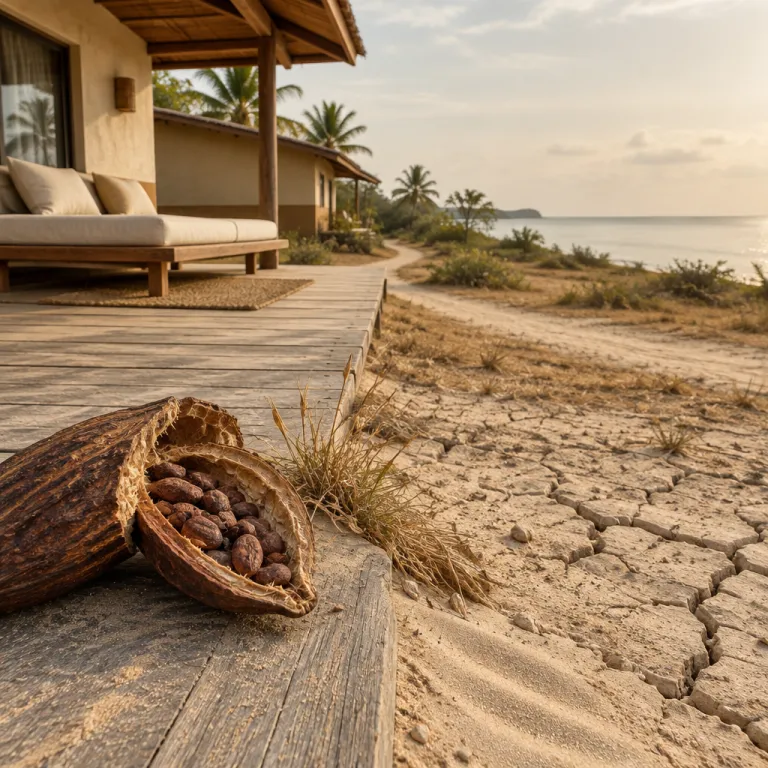
How the gravana shapes the best time to visit São Tomé and Príncipe
The best time to visit São Tomé and Príncipe is not a single month. The islands sit almost on the equator, so the question becomes which season matches your style of travel and the kind of island rhythm you want. Think of your trip as a negotiation between light, rain, sea conditions and how busy each beach feels.
Locals talk about the gravana, the long dry season that usually runs from roughly June to September. During this gravana period, the air feels slightly cooler, the sea can be a little choppier on some coasts, and the light over São Tomé island turns crystalline, which makes every day feel made for walking and slow drives. If you are visiting São Tomé for photography, this gravana season will often be your best time because the haze lifts and the contours of Pico Cão Grande and the forested ridges stand out.
Outside the gravana, you meet a short dry season and two wetter blocks that bring the famous rain. These wetter months do not mean your time visit is ruined ; showers often fall in bursts, then the sun returns and the beaches steam gently. For many luxury travelers, the best time to visit São Tomé and Príncipe is actually the shoulder between dry season and rainy season, when the islands are green, the cacao estates around São Tomé city are fragrant, and rates in high season have not yet kicked in.
Because the archipelago is compact, you can treat the whole year round climate as a sliding scale rather than a hard on or off switch. The long gravana dry season is ideal for long drives to Praia Jalé or Porto Alegre on São Tomé, while the short dry spell is perfect for a quieter stay on Príncipe island near Santo António. When you plan your trip, remember that the best time for you will depend on whether you prioritise snorkelling diving conditions, whale watching or simply having a good beach almost to yourself.
Reading the calendar: long dry season, short dry spell and wetter months
To understand the best time to visit São Tomé and Príncipe, start with a simple calendar. The long dry season, the gravana, usually stretches across the middle of the year, then a short dry season frames the turn of the year, with the rainy season blocks in between. Each season changes how you will use your days, from early morning hikes to late afternoon swims on a quiet praia.
During the gravana dry season, skies over São Tomé island often stay pale blue, and the air feels less heavy, which makes walking in the forest around Pico Cão Grande or along the south coast easier. This is when many travelers choose to visit São Tomé because road conditions are generally good, the red earth tracks to remote beach coves are drier, and luxury properties can plan more reliable outdoor dinners. If you are visiting São Tomé during gravana, you can comfortably split your time between the city, the interior roças and the southern beaches without worrying too much about sudden rain.
The short dry season, often around the turn of the year, is a different kind of best time. The landscape on both islands is lusher after the rainy season, rivers run fuller, and the cacao plantations between Monte Café and Diogo Vaz feel alive with growth, which you can explore in depth through this São Tomé island escapes guide for luxury travelers. This is a good season for a trip that mixes time in São Tomé city with a few days on Príncipe, because flights run regularly and the contrast between the two islands is sharp. The wetter months on either side bring more frequent rain, but they also mean fewer visitors, softer prices and a deep green canopy that makes every island road feel cinematic.
For planners, the key is to match each season to your priorities. Choose the gravana long dry season if you want the most stable weather for hiking, driving and snorkelling diving off calmer leeward coasts. Opt for the short dry season if you want greener hills, slightly warmer seas and a balance between good conditions and fewer people, especially when visiting São Tomé and Príncipe as a longer, slower trip.
Sea, trails and wildlife: what each season really feels like on the ground
On paper, the best time to visit São Tomé and Príncipe looks like a simple choice between dry season and rainy season. On the ground, the reality is more nuanced, especially if you care about sea clarity, trail comfort and wildlife encounters. Luxury travelers planning a high season stay should think in terms of how each day will actually unfold from breakfast to sunset.
During the gravana dry season, seas on some exposed coasts can be slightly rougher, but leeward bays on both São Tomé island and Príncipe island often stay calm enough for snorkelling diving. Visibility underwater can be excellent, especially around Ilhéu das Rolas and the reefs off Príncipe near Bom Bom, which makes this a strong best time for marine life. Trails to viewpoints above São João dos Angolares or into the forest near Pico Cão Grande stay firmer underfoot, so you can plan longer walks without worrying that a sudden burst of rain will turn the path into red mud.
The short dry season brings warmer, often glassier seas, which many divers consider the best time to visit São Tomé and Príncipe for easy snorkelling diving from the beach. This is when a stay at a coastal property near Praia Inhame or a lodge near Santo António on Príncipe São can feel perfectly balanced between comfort and access to nature. If you are visiting São Tomé and Príncipe with a focus on whales, remember that humpback whales migrate through the islands' waters roughly July to October (source: The Chocolate Islands), which overlaps with the gravana and makes that season ideal for combining sea trips with inland hikes.
Rainy season months change the script but do not cancel the show. Showers can be intense yet short, and between them the forest glows, birds are more active, and waterfalls near São Tomé city and in the interior of Príncipe island are at their most dramatic. For some travelers, this low season is the best time because the islands feel quieter, luxury suites are easier to secure at good rates, and each visit to a praia or roça feels like a private appointment with the island.
Whichever season you choose, consider starting your trip with a soft landing at a property like the garden hotel near the airport on São Tomé. One or two nights there give you time to read the weather, adjust your plans for visiting São Tomé and Príncipe, and decide whether to lean into long drives, boat trips or simply slow days by the pool before flying to Príncipe São.
São Tomé versus Príncipe: how the two islands differ within one trip
When travelers ask about the best time to visit São Tomé and Príncipe, they often imagine a single answer for both islands. In reality, São Tomé island and Príncipe island share the same broad seasons but express them differently, which matters when you are booking premium rooms and planning transfers. The art lies in using the same time visit window to get contrasting experiences on each island.
São Tomé, with its compact capital São Tomé city, its working port and its ring of southern beaches, feels more lived in and more flexible in every season. During the gravana dry season, you can drive from the city down to Porto Alegre in a single day, stopping at Praia Micondó, Praia Jalé and the viewpoints above São João dos Angolares without worrying too much about road washouts. This makes the gravana a strong best time for travelers who want to mix city evenings, roça visits and long coastal drives in one trip.
Príncipe, by contrast, is smaller, more protected and more tightly curated for high season luxury stays. The main town, Santo António, sits quietly on a river, while the best beaches and lodges are scattered along the north and east coasts, often reached by short boat rides or 4x4 tracks. During both the long dry season and the short dry season, Príncipe São offers excellent conditions for snorkelling diving off sheltered bays, guided forest walks and boat trips to Ilhéu das Rolas–style rock formations, even if the actual islet of Ilhéu das Rolas belongs to São Tomé.
In the rainy season, São Tomé absorbs the weather with a kind of urban resilience. Cafés in São Tomé city stay open, markets run, and the road to Monte Café or the cacao estates towards Diogo Vaz still sees traffic, which means your days remain full even when the rain falls. On Príncipe island, the same rainy season can feel more intense because you are closer to the forest ; trails can be muddier, but waterfalls and viewpoints above Santo António become more dramatic, which some photographers consider the best time to visit São Tomé and Príncipe as a pair.
For a balanced itinerary, use the gravana or short dry season as your frame. Spend the first half of your time visiting São Tomé, using the city as a base for day trips to Praia Lagoa Azul, São João dos Angolares and Porto Alegre, then fly to Príncipe São for a quieter, more secluded finish. This way, the same season gives you two different readings of the islands, from the energy of São Tomé city to the slow, curated calm of Príncipe island.
Luxury booking strategy: matching hotel choices to season and island mood
Choosing the best time to visit São Tomé and Príncipe is only half the equation for a luxury traveler. The other half is aligning that season with the right properties, room categories and transfer timings so that every day of your trip feels intentional. Because inventory on both islands is limited, especially in high season, timing your bookings is as important as timing your flights.
During the gravana long dry season, demand for sea facing suites and villas rises sharply, particularly on Príncipe island where key lodges near Santo António and the northern beaches have only a handful of top tier rooms. If you want the best, you will need to secure your stay months in advance, especially for dates that overlap with humpback whale movements and regional holidays. On São Tomé, gravana is also the best time for combining a city base in São Tomé city with a few nights near Porto Alegre or Praia Inhame, where the roads are drier and sunset drives feel effortless.
The short dry season offers a different kind of value. Rates can be slightly softer than peak gravana, yet the weather remains good, seas are warm for snorkelling diving, and the forest is green from the previous rainy season, which makes every visit to a roça or a hidden praia feel cinematic. This is an excellent time visit window for travelers who want to split their stay between a refined hotel near São Tomé city and a more secluded lodge on Príncipe São without paying the very highest high season premiums.
Rainy season months are the insider’s low season secret. Yes, you will see more rain, but you will also find better availability in top suites, more attentive service and a slower, more intimate rhythm in dining rooms and on guided excursions. If your priority is space, quiet and value rather than guaranteed blue skies every day, this can be the best time to visit São Tomé and Príncipe, especially for longer stays where a few wet afternoons become an excuse for spa time or long lunches.
Whichever season you choose, build in at least one inland stay on São Tomé to feel the island’s agricultural heart. A night or two near Monte Café or along the cacao corridor towards Diogo Vaz, which you can explore in depth through this bean trail feature, adds texture to a trip otherwise dominated by beach and city. Aligning these inland nights with the gravana or short dry season will give you clearer views, easier walks and a deeper sense of how season shapes daily life on São Tomé and Príncipe.
Quick chooser: picking your month by wildlife, walking, budget and seclusion
When you reduce the best time to visit São Tomé and Príncipe to a single answer, you lose nuance. A better approach is to choose your month based on what you care about most, then let the islands’ seasons do the rest. Think in terms of wildlife, walking conditions, budget and how much company you want on the beach.
If wildlife and sea life sit at the top of your list, aim for the gravana long dry season. This is when humpback whales pass offshore, when snorkelling diving visibility can be excellent around São Tomé island and Príncipe island, and when boat operators are most active. Combine a few days near São Tomé city for logistics with time in Porto Alegre or near Praia Jalé, then finish on Príncipe São where guides can tailor sea trips around your interests.
For walkers and photographers, both the gravana and the short dry season are strong contenders for the best time to visit São Tomé and Príncipe. Trails to Pico Cão Grande viewpoints, forest paths above São João dos Angolares and the ridges behind Santo António on Príncipe are all more comfortable when the ground is drier, even if humidity remains high. In these seasons, every day offers a good balance between clear light, manageable heat and enough clouds to keep the sky interesting in your images.
If budget and seclusion matter more than guaranteed sunshine, look to the edges of the rainy season. These shoulder months often sit technically in low season, which means better rates on premium rooms, more flexible check in and check out times, and quieter dining rooms in both São Tomé city and on Príncipe island. You will see more rain, but between showers the air feels washed clean, the forest glows, and each visit to a praia or roça feels like a private appointment.
For travelers who want a simple rule, think of it this way. Choose gravana if you want the most reliable conditions for moving around, the short dry season if you want green hills and warm seas, and the rainy season shoulders if you want space, value and intimacy. In every case, the real best time to visit São Tomé and Príncipe is the season that matches your priorities, not someone else’s calendar.
Key figures on climate, seasons and travel patterns
- São Tomé and Príncipe sit just north of the equator, which means average daytime temperatures typically hover between 26 °C and 30 °C year round, with relatively small variation between seasons compared with many mainland destinations (data referenced by regional climate summaries from Gulf of Guinea meteorological services).
- The gravana long dry season usually spans roughly four months, while the short dry season lasts around two months, leaving about six months that are classified as rainy season with higher humidity and more frequent showers (based on multi decade climate observations for São Tomé island and Príncipe island).
- Humpback whale presence in the waters around São Tomé and Príncipe is concentrated from roughly July to October, overlapping with the gravana, which makes this period particularly attractive for travelers who prioritise marine wildlife alongside snorkelling diving and coastal stays (as reported by local marine guides and conservation organisations).
- Sea surface temperatures around the islands generally range between about 26 °C and 29 °C across the year, which keeps swimming and snorkelling diving comfortable in every season, even when air temperatures feel slightly cooler during the gravana (based on tropical Atlantic oceanographic datasets).
- Tourism arrivals tend to peak during the gravana and the short dry season, while rainy season months see fewer visitors and more availability in high end rooms, which creates clear price and seclusion differences between high season and low season for luxury travelers planning their trip.
FAQ: planning your visit around São Tomé and Príncipe’s seasons
Is there a single best month to visit São Tomé and Príncipe ?
There is no single universally best month to visit São Tomé and Príncipe, because the islands sit near the equator and conditions stay warm year round. The gravana long dry season offers the most stable weather for moving around, while the short dry season balances green landscapes with good sea conditions. Rainy season months bring more showers but also fewer visitors, lower prices and very lush scenery.
How much does it rain during the rainy season ?
During the rainy season, showers on São Tomé island and Príncipe island can be frequent and sometimes intense, especially in the interior highlands. Coastal areas, including São Tomé city, Porto Alegre and Santo António, often see bursts of rain followed by clear spells, so full day washouts are less common than short, heavy downpours. Travelers who plan flexible days and choose properties with comfortable indoor spaces usually find the rainy season manageable and rewarding.
Is the sea good for snorkelling and diving all year round ?
Sea temperatures around São Tomé and Príncipe stay warm year round, which keeps snorkelling diving comfortable in every season. Visibility can be best during the gravana and short dry season, especially on leeward coasts and around sheltered bays on both islands. In the heart of the rainy season, runoff from heavy rain can reduce clarity near river mouths, so choosing sites away from major inlets helps maintain good conditions.
Do São Tomé and Príncipe have different climates ?
São Tomé and Príncipe share the same broad pattern of a long dry season, a short dry season and two rainy season blocks, but local microclimates differ. São Tomé, being larger and higher, has more pronounced contrasts between the drier north and wetter south and interior, while Príncipe’s smaller size and dense forest mean showers can move through quickly. For travelers, this means that even within the same time visit window, you may experience slightly different weather on each island.
When should I book hotels for high season stays ?
For high season stays during the gravana or the short dry season, it is wise to book premium rooms several months in advance, especially on Príncipe island where top end properties have limited inventory. São Tomé city usually offers a bit more flexibility, but the best sea facing rooms and suites near key beaches and in Porto Alegre can still sell out early. Early booking ensures you secure the room type, view and dates that align with your preferred season and style of trip.