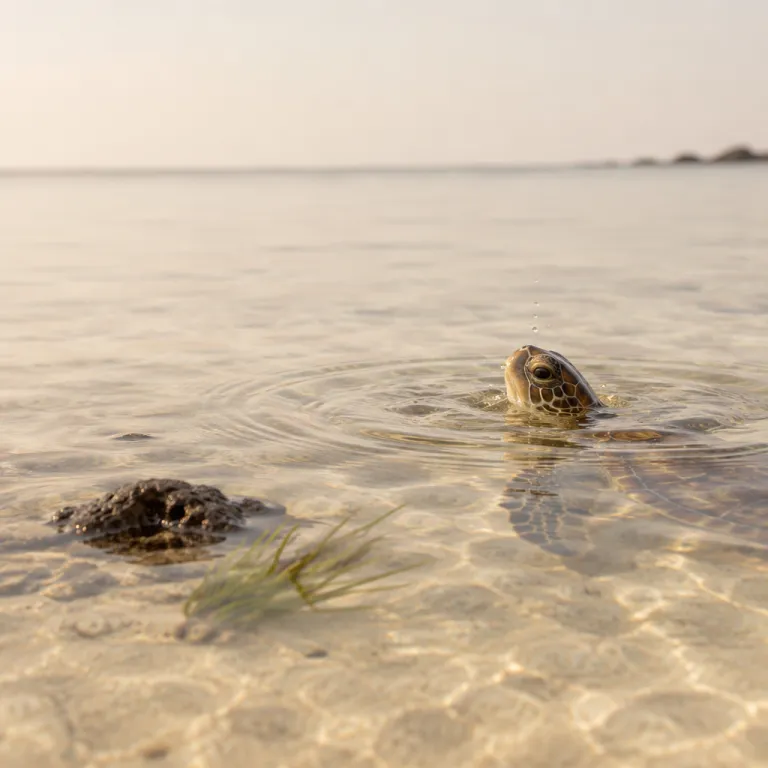
Principe snorkeling wildlife: why Ilhéu Bom Bom suits families
Principe snorkeling wildlife with dolphins and rays begins gently in the lagoon like waters around Ilhéu Bom Bom, not in the open sea. Here the island’s northern bay wraps around a crescent beach and a fringing reef, creating a natural environment where children can float above underwater life in warm, clear water. You step from shaded decks almost straight into the sea, turning a simple swim into a soft entry point to the islands’ wider marine experience.
From the sand you usually see reef fish first, then the occasional eagle ray gliding over pale sand while offshore dolphins wild sometimes arc beyond the reef line. Families often hear the excited call of a guide spotting wild dolphins or a lone dolphin closer to the reef, yet the real magic for younger swimmers happens in the shallows where sea turtles sometimes graze and tiny animals shelter among rocks. This is not a shark feeding ground, and while sharks exist in the wider Atlantic Ocean around Príncipe, encounters in these easy water zones remain rare and usually involve shy reef species that keep their distance.
Parents who know the dramatic volcanic walls of the Azores or the remote feel of the Galápagos Islands often arrive expecting similar conditions, yet Ilhéu Bom Bom’s bay feels smaller scale and more intimate. The water stays warm year round, and the short boat ride from the main island keeps the trip manageable for children who tire quickly. Think of it as the calm counterpart to more advanced diving elsewhere on the islands, where the focus is slow snorkeling, not a technical dive or deep diving session.
What you actually see: reef fish, rays and passing dolphins
On a typical family tour from Bom Bom, the first few minutes of snorkeling focus on the reef itself rather than chasing dolphins wild in the distance. Mask on, you drift over coral heads where damselfish, wrasse and parrotfish graze, while small sea turtles occasionally rise through shafts of light that cut the water. Rays are the headline for many families, and although manta rays are less common in these shallows than on offshore seamounts, smaller rays often rest on sandy patches just beyond the beach.
Principe snorkeling wildlife with dolphins and rays here is about probability, not guarantees, and guides are honest about that before any trip leaves the jetty. Bottlenose dolphin pods sometimes cruise the channel between the islands, and when conditions allow, your skipper may pause in the open sea so you can watch whales, dolphins or even distant whale sharks from the boat rather than jumping straight into deep water. The emphasis remains on observing dolphins natural behavior at the surface, keeping the animals allowed to move freely without engines crowding them.
Parents who have joined excursions in places like Marsa Alam, the Sataya Reef lagoon, the Turks and Caicos or an Azores island often remark on how uncrowded Príncipe feels. There are no lines of boats jostling for position around common dolphins or a single bottlenose dolphin, and no one is pushing children to dive down or attempt advanced diving skills. Instead, the guide sets a relaxed pace, letting each swimmer build confidence while still keeping an eye offshore for any sign of whales, dolphins or rays that might briefly share the bay.
For families planning a longer stay, pairing these easy sessions with a few signal free days at a slow luxury retreat such as the one described in this insider look at unplugged Príncipe stays creates a balanced rhythm. Morning snorkeling in gentle water, followed by afternoons in the shade while children nap or explore the gardens, keeps energy levels steady. That balance matters more than ticking off every possible sea animal in a single day.
Why sheltered shallows beat deep dives for younger swimmers
Families sometimes arrive with a mental checklist shaped by images from the Azores, Galápagos Islands or other Atlantic Ocean hotspots where whales, dolphins and whale sharks dominate the narrative. Príncipe’s strength for a premium family trip lies elsewhere, in the way its small islands offer sheltered corners where the water rarely feels intimidating. Ilhéu Bom Bom’s bay is a textbook example, with a reef that breaks the swell and a beach that shelves gradually, so even nervous swimmers can stand, breathe and reset between underwater glimpses.
Principe snorkeling wildlife with dolphins and rays in this context is about layering experiences, starting with the simplest. First comes the feel of salt water and the sound of the sea in your ears, then the sight of small animals moving over the reef, and only later the possibility of a dolphin or ray passing at the edge of your vision. Children who might panic if asked to dive from a boat into deep blue water usually relax when they can walk in from the sand, hold a parent’s hand and still see the bottom clearly.
Serious divers can still arrange a separate dive or two on steeper walls, but those belong to a different day and a different mindset. This easy water chapter is about snorkeling, not technical diving, and about keeping the natural environment as undisturbed as possible while you float above it. If you want to understand how the wider climate and sea conditions shape these options across the seasons, the analysis in this gravana season guide helps frame when the sea reads calmest and clearest for families.
Guides, ethics and how conservation shapes your day on the water
Local guides around Ilhéu Bom Bom tend to be former fishers who now treat the reef as a shared asset rather than a resource to exhaust. They know where sea turtles rest, which patches of coral handle more fin kicks and where a dolphin or small group of dolphins wild might pass without being harassed. That knowledge matters for families, because it means your tour is paced around the animals’ comfort as much as your own.
Principe snorkeling wildlife with dolphins and rays follows a simple ethic that contrasts sharply with some high pressure sites such as parts of Marsa Alam or the Sataya Reef corridor, where multiple boats sometimes converge on the same pod of common dolphins. Here, if whales, dolphins or a lone bottlenose dolphin appear, skippers usually keep a respectful distance, cutting engines and letting the animals choose whether to approach. No one is allowed to jump directly in front of wild dolphins, chase manta rays or attempt to touch sea lions or any other large animals, because the goal is to keep behavior as natural as possible.
Families who have swum with dolphins natural in more commercial settings, from the Turks and Caicos to an Azores island, often comment on how quiet these outings feel. There is no amplified music on the boat, no feeding of shark species to attract them to the reef and no staged encounters with captive sea lions or penned dolphins. Instead, the guide talks children through what they can and cannot touch, why some areas remain off limits and how a light fin kick protects coral that has taken decades to grow.
Seasoned travelers interested in how this conservation mindset extends onto land can read about heritage focused properties such as the one explored in this deep dive into Príncipe’s colonial era roça hospitality. The same respect for context that preserves old cacao terraces also underpins the way operators treat the sea. For families, that alignment between hotel ethos and marine practice builds trust long before anyone steps off the beach.
Designing a half day around Bom Bom’s easy water
A well planned family morning at Ilhéu Bom Bom starts early, before the equatorial sun turns the beach into a kiln. You wake to the sound of the sea, check that the water inside the bay looks calm and clear, then eat a light breakfast so children are not too full before they swim. Principe snorkeling wildlife with dolphins and rays fits best into this first half of the day, when both visibility and energy levels tend to peak.
Most families opt for a short boat tour that skirts the islands’ northern coastline, scanning the open sea for any sign of whales, dolphins or rays before returning to the shelter of the reef. If a pod of dolphins wild appears, you watch from the deck, cameras ready but expectations grounded, knowing that the real underwater time will happen back inside the bay. Once anchored in shallow water, everyone slips over the side or walks in from the beach, staying close enough to the sand that even hesitant swimmers feel secure.
After forty minutes or so, children usually need a break, which is where Bom Bom’s shaded decks and simple lunches come into their own. Towels, cold drinks and grilled fish eaten with bare feet on wooden boards turn the outing into a full sensory experience rather than a checklist of animals. By early afternoon you are back in your room or villa, showered and cool, while the reef resets for the next gentle wave of swimmers.
Families who have previously chased whales, dolphins or whale sharks on long offshore runs in the Azores, Galápagos Islands or other Atlantic Ocean archipelagos often find this slower rhythm refreshing. There is no pressure to dive deep, no need to compare your day with stories from Marsa Alam or the Turks and Caicos and no expectation that every animal allowed by nature will appear on cue. Instead, the memory that lasts is usually a child’s first calm breath through a snorkel, taken in water that feels as safe as a pool yet still belongs entirely to the sea.
How Príncipe compares to global marine hotspots for families
Well traveled families often benchmark new destinations against places where whales, dolphins and big pelagic animals dominate the marketing. The Azores, an Azores island such as São Miguel, the Galápagos Islands, Marsa Alam on the Red Sea or the Turks and Caicos in the Caribbean all promise dramatic encounters with common dolphins, bottlenose dolphin pods, whale sharks or even sea lions. Those trips can be spectacular, yet they often involve long boat rides, choppy open sea conditions and a level of diving or snorkeling confidence that younger children simply do not have.
Principe snorkeling wildlife with dolphins and rays offers a different proposition, one that suits premium families who value comfort and calm as much as spectacle. The islands sit in the tropical Atlantic Ocean, yet the feel around Ilhéu Bom Bom’s bay is closer to a protected lagoon than a raw offshore drop off, with warm water and gentle swell most of the year round. You still have the chance to see whales, dolphins or rays on the horizon, but the core experience remains that easy, shallow water session over the reef.
Another quiet advantage is the absence of captive programs where animals allowed in enclosures blur the line between natural environment and entertainment. On Príncipe there are no pens of dolphins natural, no staged shark feeding shows and no sea lions trained to pose for photographs, which keeps expectations aligned with what the sea chooses to offer. For families who care about that distinction, the islands’ low key approach feels closer to the best practices seen in carefully managed parts of the Azores or certain Galápagos Islands sites than to mass tourism hubs.
When you combine that ethic with characterful lodging — from roça conversions to low slung coastal retreats — the result is a marine chapter that fits seamlessly into a wider island trip. You might spend one day tracing colonial history inland, another reading on a veranda while children nap and a third floating above the reef watching small animals move through shafts of light. In that balance, the easy water off Ilhéu Bom Bom becomes less a standalone attraction and more the gentle, salt edged thread that ties a Príncipe family holiday together.
FAQ: family snorkeling and marine life off Ilhéu Bom Bom
Is snorkeling off Ilhéu Bom Bom suitable for young children ?
The bay at Ilhéu Bom Bom is generally well suited to children who are comfortable in the water with basic supervision. The beach shelves gradually, the reef breaks most of the swell and many sessions take place in shallow areas where adults can still stand. Families should still use flotation vests, stay close to guides and avoid taking very young children out into the open sea.
What marine life can families realistically expect to see ?
On most days families see reef fish, small invertebrates and sometimes sea turtles in the shallow areas near the beach. Rays occasionally glide over sandy patches, and there is a reasonable chance of spotting dolphins offshore, although encounters with whales, dolphins or whale sharks are never guaranteed. Sharks are present in the wider region but are rarely seen in the calm snorkeling zones used for family outings.
Do you need to be an experienced swimmer to snorkel here ?
Confident swimming helps, but you do not need to be an expert to enjoy the sheltered water around Ilhéu Bom Bom. Many hotels and operators provide flotation aids, and guides choose sites where currents are usually mild and entry is from the beach rather than from a deep water boat. Nervous swimmers should stay in the shallowest areas, close to shore and under the eye of both guides and accompanying adults.
When is the best time of year for clear, calm water ?
Conditions vary, but many travelers find that the periods with lighter winds and less rain offer the clearest visibility and most comfortable sea state for families. Water temperatures remain warm year round, so the main variables are surface chop and underwater clarity rather than cold. Local guides and hotel teams can advise on the specific weeks when the bay tends to feel most pool like for snorkeling.
How do Príncipe’s marine experiences compare with places like the Azores or Galápagos ?
Destinations such as the Azores or the Galápagos Islands often focus on dramatic offshore encounters with large animals in cooler, rougher water. Príncipe, and especially Ilhéu Bom Bom, leans toward warm, easy snorkeling in a sheltered bay where families can build confidence while still having a chance of seeing dolphins or rays at a distance. For many parents with younger children, that trade off between intensity and comfort feels well judged.