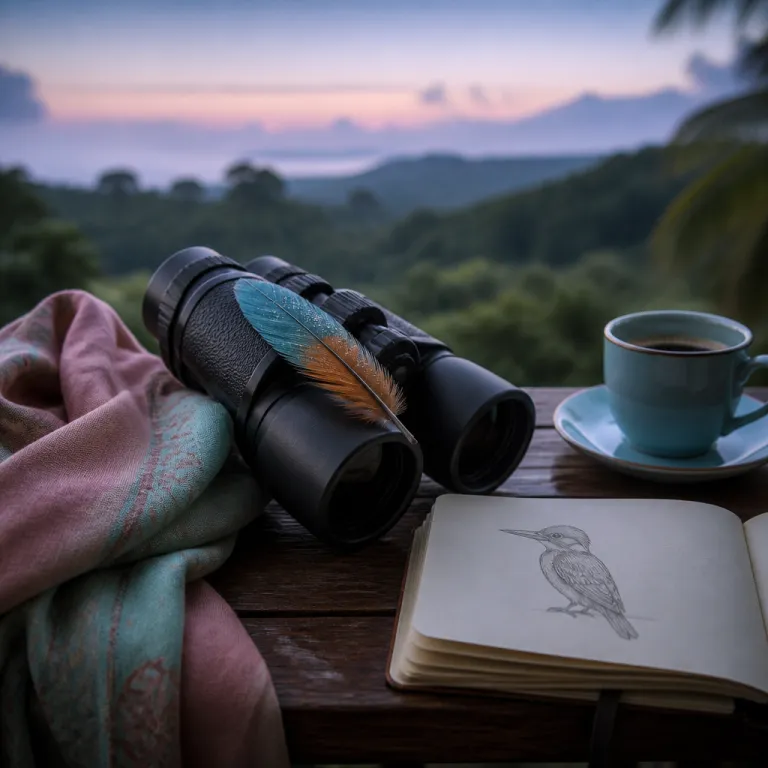
Why the five a.m. walk on Príncipe redefines luxury
The alarm sounds at 4:30 and the forest is already awake. By the time you step out of your suite on Príncipe Island, the air over the gulf of Guinea carries a low, layered chorus of african birds warming up for first light. This is where principe birdwatching stops being a niche hobby and becomes the most intimate luxury on these islands.
On Príncipe, per square kilometre, the density of endemic species is unmatched anywhere in africa, and that reality shapes how high end hotels design their mornings. Birdwatching expeditions typically leave around 5:00 from properties managed by Príncipe Collection, with a birding tour that runs as a short but intense four hour immersion into primary forest. The timing is non negotiable because bird species activity peaks at dawn, when endemic birds move, call and feed before the sun climbs too long and high.
Stepping into the dark, you hear the first owl Otus calls from the canopy, a soft punctuation above the surf. As the path climbs, your guide points out a distant scops owl duet and the rustle of a green pigeon shifting on its roost, while the first white eye flocks begin to stir. For couples used to late room service and long brunches, this shared pre sunrise silence on an island that still feels pre tourism is a different kind of indulgence.
Endemic species and the thrill of rarity on a small island
By the time the sky lightens over Santo António, the forest around you is fully in motion. Príncipe hosts more than twenty one officially recognised endemic species, and local naturalists will tell you that the real number of distinct bird species and sub species across the islands of São Tomé and Príncipe is far higher. For any couple planning a principe birdwatching focused escape, this concentration of rarity is the real draw.
Guides talk about endemics in the plural because each island has its own evolutionary story, and endemics São Tomé differ from those on Príncipe in subtle but fascinating ways. On a single birding tour, you might watch a giant sunbird feeding in the same clearing where a paradise flycatcher threads through shafts of light, while a thrush Turdus relative flicks leaves on the forest floor. The list of endemic birds here includes multiple kingfisher Corythornis forms, several white eye lineages and a weaver Ploceus complex that keeps ornithologists returning to these islands.
For first time visitors, the guides simplify the target list without diluting the magic. They will frame the experience around a handful of emblematic endemic species, from the charismatic giant sunbird to the elusive Príncipe scops owl, and then layer in other birds São Tomé travellers may have heard about but never seen. If you are wondering whether Príncipe deserves its own trip without combining it with São Tomé, the answer is yes, and a detailed guide to why the smaller island stands alone as a destination is available in this dedicated overview of why Príncipe merits a standalone journey: why the smaller island deserves its own trip.
Guides, routes and what the five a.m. reality feels like
Luxury on Príncipe is not about being insulated from the island, but about being guided into it with care. The best principe birdwatching experiences are organised by Príncipe Collection in partnership with local ornithologists, who have mapped specific routes from the lowland forests near Santo António into steeper, older growth. These guided walks usually last around four hours, with a 5:00 departure and a return to your hotel around 9:00, which keeps the physical effort manageable for most couples.
The trails themselves are short in distance but long on humidity, with some sections of uneven ground and occasional stream crossings on this volcanic island. You will want proper hiking shoes, light long trousers and sleeves, and a small daypack that includes a reusable water bottle, insect repellent and a compact rain layer. Birding here is slow and deliberate rather than fast paced, and the guides set a rhythm that allows you to watch a sunbird display, follow a white eye flock and still pause when a green pigeon lands in perfect light.
For travellers flying in from the United States, the logistics of reaching São Tomé, then connecting to Príncipe, require some planning but are entirely feasible with the right information. Before you lock in your hotel, it is worth reading a clear breakdown of flights, connections and timing in this practical guide to getting to São Tomé and Príncipe: flights, connections and the logistics that matter. Once you arrive, the hotel team will usually handle the details of your birding tour, from binoculars and field guides to coordinating with your chosen local expert.
From forest to breakfast table: how top hotels stage the experience
When you step back onto the sand at Sundy Praia or another high end property, the forest still clings to your clothes. The best hotels on Príncipe understand that principe birdwatching is not a side activity but a central reason many couples choose these islands São Tomé and Príncipe over other african destinations. They design their service flow around the 5:00 departure, with staff on duty before dawn and breakfast held or adapted for early returning guests.
Expect a quiet welcome, cool towels and coffee waiting when you return from your birding tour, often before other guests have even left their villas. Some properties will set up a private breakfast on your terrace, so you can watch more common bird species such as island pigeons and weaver Ploceus flocks moving through the palms while you eat. This is where the line between wildlife experience and luxury stay blurs, because the same kingfisher Corythornis you watched in the forest may flash past your plunge pool as you settle into a long, slow morning.
For couples comparing hotels across São Tomé and Príncipe, it helps to look beyond room categories and ask how each property integrates nature into its daily rhythm. A detailed analysis of how luxury and premium hotel booking platforms curate stays in São Tomé and Príncipe, including properties that prioritise conservation led activities such as birding, can be found in this in depth look at how high end booking websites are redefining travel in the country: luxury and premium hotel booking websites redefining travel. Choosing a hotel that treats birdwatching as a core experience rather than an optional extra will shape every morning of your stay.
Conservation, community and why couples matter to Príncipe’s future
Every time a couple books a principe birdwatching excursion, they are doing more than adding a line to their itinerary. On this small island in the gulf of Guinea, where tourism numbers remain low and the forest still dominates the skyline, guided birding generates direct funding for conservation projects and stable work for local guides. The model here includes not only high end guests, but also educational programmes that bring schoolchildren into the forest with the same owl Otus and Príncipe scops specialists who guide you at dawn.
HBD, the conservation focused hospitality group behind several leading properties on Príncipe, runs an educational birdwatching programme for local schoolgirls to foster environmental stewardship, and that same ethos shapes how they train their guiding équipe. When you stand under a canopy listening to a thrush Turdus relative calling above a chorus of endemic birds, your guide is likely to know individual nesting trees by memory and family histories of the people who live nearby. This deep local knowledge is what turns a standard birding tour into a layered narrative about sao Tomé, Príncipe and the wider africa region.
For couples, the emotional impact of this is subtle but lasting. You share the quiet of the pre dawn walk, the short intake of breath when a giant sunbird explodes into colour, the long pause as a green pigeon settles on a branch just metres away. That shared attention, in a forest where endemic species still outnumber visitors on most days, may be the most luxurious souvenir you take home from São Tomé and Príncipe.
FAQ
Is birdwatching on Príncipe suitable for beginners and non birders?
Yes, the guided walks on Príncipe are designed for all experience levels, including complete beginners. Local naturalists pace the birding tour gently, explain behaviour in clear language and focus on a handful of standout endemic species rather than overwhelming you with lists. Many couples who arrive as casual wildlife enthusiasts leave with a genuine interest in african birds and a deeper appreciation of the island’s ecology.
What is the best time of year for birdwatching on Príncipe?
Bird activity on Príncipe is strong throughout the year, so you can plan principe birdwatching in any season. Dawn remains the key window, because most bird species are most vocal and visible in the first hours of light. Weather patterns can shift humidity and rainfall, but the core experience of seeing endemic birds in the forest remains consistently rewarding.
What should I bring on a five a.m. birding walk?
For a comfortable pre dawn walk, wear light long trousers, a breathable long sleeved shirt and sturdy hiking shoes. Bring insect repellent, a reusable water bottle and, if you have them, personal binoculars, although many hotels provide optics and field guides. A small dry bag for your phone or camera is useful, as the forest on this island can be both humid and briefly wet.
How physically demanding are the birdwatching trails on Príncipe?
The main routes used for luxury birding tours are short in distance but can feel moderately challenging because of heat, humidity and some uneven terrain. Most healthy adults, including couples who do not hike regularly, manage the four hour outing comfortably with regular pauses. If you have specific mobility concerns, your hotel can usually arrange a gentler route that still offers excellent chances to see key endemic species such as the giant sunbird or a green pigeon at close range.
How does birdwatching support conservation and local communities?
Revenue from guided birding on Príncipe helps fund conservation projects, trail maintenance and training for local guides, creating skilled jobs that depend on healthy forests and thriving endemic species. Programmes such as the educational birdwatching initiative for local schoolgirls run by HBD also build long term environmental awareness in the community. When you book a guided tour through your hotel, you are directly supporting this conservation economy while enjoying one of the most distinctive experiences in São Tomé and Príncipe.