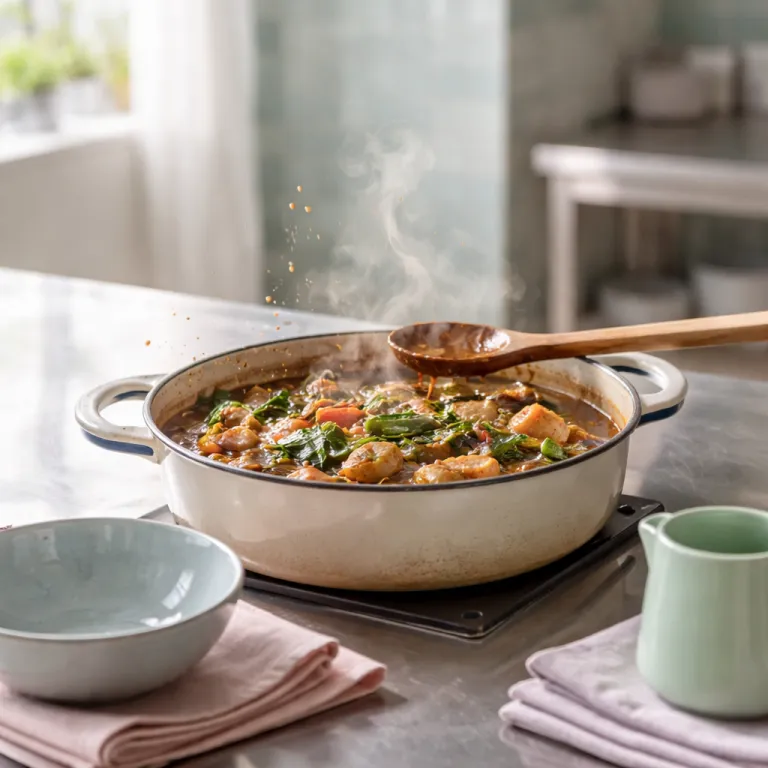
Why calulu is the quiet test of a São Tomé hotel kitchen
Calulu, the emblematic fish stew of São Tomé and Príncipe, looks deceptively simple. In reality this African classic is where luxury hotel kitchens on the islands either respect local cuisine or retreat into generic resort food. For a business traveler in São Tomé or Príncipe, the way a property handles this national dish tells you more than any lobby design.
Traditional calulu is a layered stew of smoked fish, fresh fish and vegetables slowly cooked in palm oil until the fish meat almost melts. São Toméan cooks on both islands work with local ingredients such as okra, eggplant, tomatoes and wild greens, building depth with dried fish, smoked fish and a precise balance of salt, pepper and local chili peppers. When done properly, this staple of island cooking carries both Africa and the Portuguese colonial past in one bowl, with aromas of palm, cacao plantations and sea air drifting through the dining room.
Hotel versions often dilute the palm oil, skip the smoked fish base and tone down the chili peppers for international palates. The result is a thin fish calulu that tastes like anonymous seafood soup rather than a proud member of São Tomé’s traditional dishes. Treat calulu as you would a serious wine list; if the kitchen respects this cornerstone of local cuisine, the rest of the menu usually follows.
What makes authentic calulu peixe different from the resort version
On paper, every menu description of calulu peixe sounds similar, but the details matter. A truly representative version of the São Tomé national dish begins a day earlier, when São Tomé and Príncipe locals salt, dry and smoke fish before layering it with fresh fish in a heavy pot. This slow preparation explains why the best versions are limited and why you should order in advance at serious properties.
The base is always palm oil, not a neutral oil slipped in to appease health-conscious travelers. That palm oil carries the terroir of São Tomé and Príncipe, connecting the dish to the same volcanic soil that grows cacao and coffee in the interior roças. Into this base go tomatoes, onions, okra, eggplant and sometimes pumpkin, along with local ingredients such as ossame (a fragrant leaf), pau-pimenta (a peppery bark) and malagueta chili, which give the stew its unmistakable African perfume.
Texture is another giveaway; authentic calulu holds generous pieces of fish meat, some from smoked fish, some from dried fish rehydrated in the pot, and some from just-landed fresh fish such as grouper or wahoo. The broth should be rich but not greasy, with salt, pepper and chili peppers in balance rather than heat for its own sake after at least an hour of gentle simmering. When a hotel kitchen replaces palm oil with vegetable oil or coconut milk without explanation, you are no longer eating the national dish but a fusion interpretation of African dishes tailored to cautious visitors.
Where luxury travelers should order calulu on São Tomé and Príncipe
For guests booking premium stays, the most reliable calulu often appears slightly off the usual resort circuit. On São Tomé island, roça kitchens that focus on local gastronomy treat calulu peixe as a serious expression of São Toméan culture rather than a token local dish. In these historic plantation houses, the cooks work directly with nearby farmers and fishers, layering smoked fish, fresh local vegetables and palm oil in a way that respects both Africa and the Portuguese heritage of the roças.
On Príncipe, several restored estates now offer refined versions that still lean into smoked fish and palm oil instead of hiding them. Their chefs use fresh fish from surrounding waters, pairing it with tropical fruits and cacao-based desserts that echo the plantations around the estates. This is where business travelers can taste calulu alongside carefully sourced coffee and palm wine, while still enjoying the service standards expected from a high-end São Tomé and Príncipe lodge.
Within city hotels in São Tomé, ask explicitly whether the calulu uses smoked fish and palm oil, and whether it is prepared in the traditional layered method. If the answer is vague, consider saving your appetite for a lunch excursion to a roça, combining a walk through cacao trees with a serious plate of fish calulu. Pair that outing with a guided hike in the nearby forests; the trails around Ôbo National Park, detailed in our guide to walking the park on foot with the right guides, make an ideal morning before a long, slow calulu lunch.
How to order calulu like an insider in hotel restaurants
When you sit down in a luxury hotel dining room on the islands, the menu line “calulu, São Tomé national dish” rarely tells the full story. Treat the order as a short conversation with the staff, not a simple tick on a room charge slip. You are asking whether the kitchen is willing to cook like São Tomé and Príncipe locals or whether it will default to anonymous international cuisine.
Start by confirming the proteins; ask if the calulu includes both smoked fish and fresh fish, and whether any dried fish is used for depth. Clarify that you are comfortable with palm oil and would like the dish prepared in the traditional way, with full flavor rather than a reduced-oil version. If you enjoy heat, mention that you welcome the gentle fire of local chili peppers, because many hotel kitchens automatically tone them down for guests from outside Africa.
Timing matters as well, because proper calulu takes time to reach the table. Ask whether the stew is already slow cooking or whether the kitchen will start from scratch, and be prepared to wait if they are layering ingredients to order. A good rule on São Tomé and Príncipe is simple: if the staff lights up when you ask about calulu peixe and local ingredients, you are in the right dining room, and your national dish will likely taste of sea, palm and culture rather than generic resort food.
When to eat calulu, and what to drink with it
Calulu is a substantial stew, and on the equatorial islands it genuinely shines at lunch. The heat of the day softens the richness of palm oil and lets the aromas of smoked fish and fresh fish open fully. In the evening, especially after a long flight from mainland Africa or Europe, many travelers find the national dish slightly heavy.
At lunch, pair calulu with a lightly chilled local white wine or a simple Portuguese vinho verde, both of which cut through the oil and lift the seafood flavors. Palm wine is another classic match on São Tomé, though its rustic edge can surprise guests used to polished hotel bars. For non-drinkers, a chilled infusion of local coffee leaves or a tart juice from tropical fruits such as maracujá works beautifully with the salt, pepper and chili peppers in the stew.
Side dishes matter too; traditional calulu is often served over mashed breadfruit, banana or matabala, which soak up the broth and underline the African roots of the cuisine. Some hotel kitchens add coconut milk to the starches or offer a cacao-accented dessert afterward, tying the meal back to the plantations that shaped São Toméan culture. Whether you are on São Tomé island or staying in a secluded Príncipe lodge, plan at least one unhurried midday calulu, then leave the evening for lighter dishes built around grilled fish meat or fresh local tropical fruits.
FAQ
What exactly is calulu in São Tomé and Príncipe?
Calulu is a traditional stew from São Tomé and Príncipe made with fish, vegetables and palm oil. It combines smoked fish, fresh fish and local vegetables in a slow-cooked, layered preparation. The dish is widely regarded as the country’s signature national recipe and a cornerstone of local cuisine.
How is calulu usually served in hotels and roças?
In roças and traditional restaurants, calulu is typically served over mashed breadfruit or banana, sometimes with matabala on the side. Luxury hotels may plate it more minimally, but the essence should remain a rich palm-oil-based stew with fish meat and vegetables. Ask whether the kitchen uses smoked fish and dried fish, which are essential for an authentic version.
What are the key ingredients I should look for in authentic calulu?
Authentic calulu relies on palm oil, smoked fish, fresh fish, tomatoes, onions, okra and eggplant, often with local herbs such as ossame and pau-pimenta. Many São Toméan cooks also include dried fish for extra depth and balance the flavors with salt, pepper and chili peppers. When these local ingredients are present, the dish reflects both African and Portuguese influences on the islands.
Can I find good calulu inside luxury hotels, or only in local restaurants?
You can find serious calulu in both contexts, but it is less common in generic resort-style dining rooms. Some roça-based boutique hotels on São Tomé and Príncipe are known to serve a thoughtful version that respects local cuisine and traditional techniques. In city hotels, ask detailed questions about the preparation to gauge whether the kitchen treats the national dish with the same care.
Is calulu very spicy, and can it be adjusted to my taste?
Calulu is aromatic rather than aggressively hot, with chili peppers used to support the smoked fish and palm oil rather than dominate them. Most hotel kitchens on São Tomé and Príncipe can adjust the heat level if you ask when ordering. If you enjoy spice, specify that you are comfortable with local levels so the flavors of this island specialty are not muted.