Why sao tome is the refined island escape many miss
São Tomé and Príncipe form a compact island nation in the Gulf of Guinea. This small country lies off Central Africa, yet it feels worlds away from the continent’s classic safari circuits. On São Tomé island, palm fringed bays, black sand coves, and forested volcanic slopes create a tranquil backdrop for premium hotels and discreet beach resorts.
The official language is Portuguese, and that heritage still shapes daily life. Centuries of colonisation by Portuguese settlers left plantation mansions, chapels, and roças that now host refined guesthouses and luxury retreats. This layered country profile matters when you choose where to stay, because the most characterful properties often occupy restored plantation buildings with original tiles, wraparound verandas, and old cocoa drying yards softened by tropical gardens.
Today the Democratic Republic of São Tomé and Príncipe is politically stable, with a government that increasingly treats tourism as a strategic priority. The São Toméan state emerged after independence from Portugal in 1975, ending a long period marked by the slave trade and plantation agriculture. That history still influences the economy, the architecture, and even the way premium hotels integrate cocoa themed experiences, from tasting menus to spa rituals that use locally produced cocoa butter.
Choosing the right island sao stay for a quiet beach escape
Travelers often ask whether to base themselves on São Tomé island or on the smaller Príncipe island. São Tomé offers more flight connections, a wider choice of luxury and premium hotels, and easier access to services across the country. Island Príncipe feels more remote and exclusive, with fewer properties but a stronger sense of seclusion, rainforest covered peaks, and cinematic bays.
On São Tomé, many high end hotels sit close to the capital city of São Tomé, while others hide along the quieter east and south coasts. These coastal stretches offer long sandy bays where the forest meets the sea, ideal for guests who want time to disconnect in nature. For a detailed look at where to swim and which stretches remain semi private, consult this guide to the quiet beaches of São Tomé island.
Premium hotels on São Tomé island often arrange guided walks to nearby fishing villages, where you can see how the local economy still depends on the sea. Many properties also offer transfers to roças inland, allowing guests to connect the coastal experience with the country’s agricultural heart. When comparing islands, São Tomé suits travelers who want varied restaurants and low key nightlife, while Príncipe country stays appeal to those seeking deep quiet, bird filled forests, and nature based excursions.
From slave trade past to cocoa luxury: context for premium stays
Understanding the islands’ past helps you choose hotels that engage respectfully with local history. São Tomé and Príncipe were once a major Atlantic hub for the slave trade under Portuguese rule. Plantations used enslaved African labour to grow sugar, then coffee, and finally cocoa, which became the main export crop and still shapes the landscape with avenues of shade trees and abandoned processing sheds.
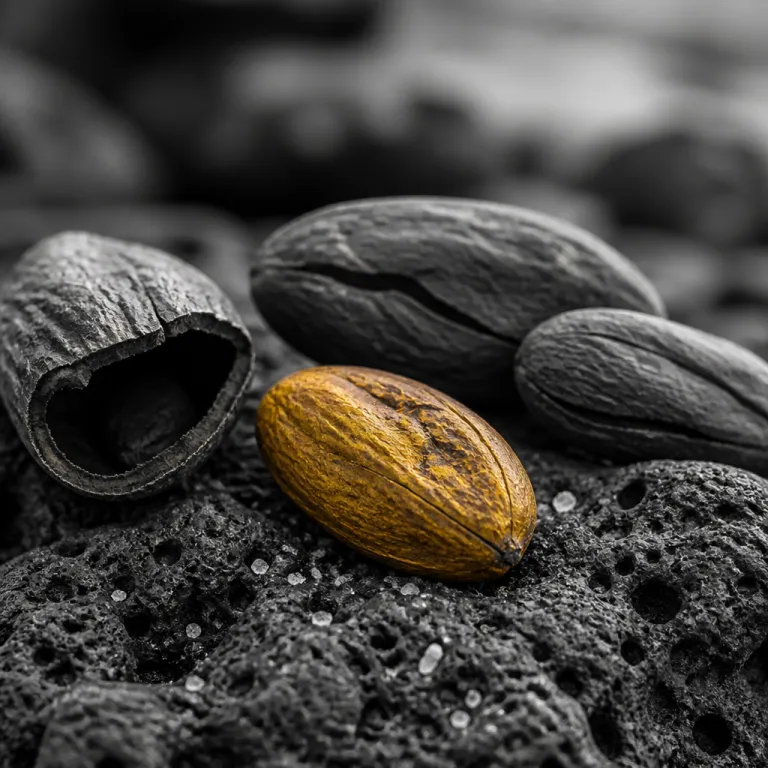
Many of today’s most atmospheric luxury properties occupy former roças that once drove the cocoa economy. Some of these estates now host tasting sessions featuring beans from renowned producer Claudio Corallo, whose work highlights the potential of high quality cocoa from the islands and is frequently cited in international chocolate guides. Guests can walk among old drying terraces and restored warehouses scented with fermenting beans, then return to suites that reinterpret plantation style with contemporary comfort, four poster beds, and ocean or forest views.
Several roças have been discussed in national heritage plans as potential candidates for future UNESCO World Heritage nomination, a process that could reshape tourism development across the islands if proposals advance. To understand how this may influence future hotel projects and conservation efforts, read about São Tomé’s roças and the UNESCO vote. Choosing a hotel that supports heritage preservation ensures your stay contributes to sustainable growth rather than short term exploitation, and many owners now highlight restoration work, local hiring, and community projects in their welcome briefings.
How politics, presidents, and prime ministers shaped island hospitality
The political story of this island country is unusually calm for the region. After independence from Portugal, São Tomé and Príncipe navigated periods of one party rule, democratic action movements, and occasional tension, including an attempted coup. Yet compared with many African countries, the transition to multi party democracy has been relatively peaceful and has allowed tourism policy and investment rules to evolve steadily.
Leaders such as President Fradique de Menezes and various prime ministers have had to balance economic development with limited resources. Tourism, especially luxury and premium hotel investment, became a strategic pillar to diversify away from a narrow cocoa based economy and volatile aid flows. The São Toméan government, working with international partners from Portugal, Cabo Verde, and the United States, has encouraged projects that respect the islands’ fragile ecosystems, marine reserves, and coastal communities.
Names like Trovoada appear frequently in the country’s political history, linked to both presidential and prime ministerial roles. While guests rarely feel these shifts directly, stable governance matters when you book high value trips to remote islands. A relatively predictable political climate reassures investors, which in turn supports the opening of new high end properties on both São Tomé and Príncipe and the long term maintenance of existing boutique hotels, from restored plantation houses to contemporary beach hideaways.
Designing a luxury itinerary across sao tome and tome principe
A refined itinerary usually combines time on São Tomé island with several nights on Príncipe. Start with two or three days near the capital São Tomé, where you can explore colonial streets, visit markets perfumed with spices and smoked fish, and tour nearby roças. From there, transfer to the south of São Tomé island for stays near volcanic formations such as Pico Cão Grande, whose dramatic needle like plug rises from the forest and dominates the skyline on clear days.
On Príncipe, many premium hotels sit within protected reserves, framed by peaks like Pico Papagaio and hidden coves with warm, calm water. These properties often include guided hikes, boat trips, and cocoa themed spa rituals in their rates, making them ideal for travelers who prefer curated experiences. A sample route might pair a heritage stay in a restored roça on São Tomé with a few nights in a cliffside villa on Príncipe, combining plantation history, snorkelling, and sunset cruises. For visual inspiration and a sense of what top tier stays look like, browse this gallery of premium hotel photos and luxury views in São Tomé and Príncipe.
When planning, remember that the islands lie close to the equator, so distances seem short but roads can be slow and winding. Allow generous travel time between the north and south of São Tomé, and between the airport and remote bays on Príncipe. Many travelers visit during the relatively drier months, when sea conditions favour inter island flights and boat transfers and visibility is better for coastal cruising, diving, and whale watching.
Practical booking advice for premium hotels in a small island country
Because São Tomé and Príncipe is a small island country with around 227 000 inhabitants according to recent United Nations estimates, luxury inventory remains limited. High end rooms on both islands can sell out quickly during peak periods, especially when regional visitors from other African countries and from Portugal arrive. Booking several months ahead is wise if you want specific suites or villas with sea views, private plunge pools, or direct beach access.
Most premium hotels accept international cards, but the local currency is the dobra, and some smaller properties still prefer cash for extras. The official language is Portuguese, though staff in higher end hotels usually speak English and sometimes French, reflecting links with Cabo Verde and the wider Gulf of Guinea region. When comparing options, look for properties that employ and train local teams, source food from nearby farmers and fishers, and support vocational programmes, as this strengthens community ties and helps underpin independent democratic institutions.
Responsible travelers also consider how their stay affects the islands’ long term development. Choosing hotels that invest in renewable energy, water treatment, and heritage restoration helps the country move beyond a narrow cocoa and aid dependent economy. As one local fact sheet notes, “What is the official language of Sao Tome and Principe? Portuguese.” Simple choices such as using refillable water bottles, respecting protected areas, and booking locally owned excursions further increase your positive impact.
Key figures for luxury travel in sao tome and príncipe
- The population of São Tomé and Príncipe is about 227 000 people, according to recent United Nations estimates, which explains why hotel capacity remains limited and early booking is essential for peak dates.
- The total area of the country is roughly 964 square kilometres, meaning travelers can combine coastal stays, plantation visits, and forest hikes within relatively short driving distances on each island.
- GDP per capita stands near 2 500 United States dollars based on World Bank data, highlighting the importance of tourism revenue and the impact of each luxury booking on the local economy and employment.
- The archipelago lies in the Gulf of Guinea off Central Africa, a location that shapes its humid tropical climate and makes the relatively drier months particularly attractive for high end beach stays and multi island itineraries.
- Political stability and tourism development are listed as national priorities in several international country profile assessments, reinforcing the government’s focus on carefully managed hotel growth, environmental safeguards, and sustainable island hospitality.
FAQ about luxury and premium hotel stays in sao tome and príncipe
What is the official language used in hotels in São Tomé and Príncipe ?
The official language of São Tomé and Príncipe is Portuguese, and it is widely used in hotels, government offices, and schools. In most luxury and premium properties, staff also speak English, and sometimes French, to serve international guests. Learning a few basic Portuguese phrases will still enhance your interactions with local teams and guides and is appreciated in small communities.
When is the best time to book a luxury hotel on São Tomé island ?
The most comfortable period for a luxury beach stay usually falls in the relatively drier months, when humidity is lower and sea conditions are calmer. Because the country is small and premium inventory is limited, it is wise to secure reservations several months in advance. This is especially true if you plan to combine São Tomé with Príncipe during regional holidays, European winter breaks, or long weekends linked to Portuguese public holidays.
How do I travel between São Tomé and Príncipe for a multi island stay ?
Travel between São Tomé island and Príncipe island is typically by short domestic flight, operated several times per week, with schedules that can change seasonally. Some high end hotels assist with booking these flights and arranging transfers between the airport and the property. Always allow buffer time in your itinerary in case of weather related adjustments or operational delays, especially if you are connecting with international flights.
Are plantation stays linked to the islands’ cocoa heritage ?
Many restored roças on both islands are directly connected to the historic cocoa economy that replaced earlier sugar and coffee plantations. These properties often offer cocoa themed experiences, such as tastings of beans from producers like Claudio Corallo or visits to drying terraces, fermentation rooms, and small chocolate workshops. Staying in such places allows guests to engage thoughtfully with the legacy of the slave trade and plantation labour while supporting ongoing restoration and local employment.
Is São Tomé and Príncipe considered a safe destination for high end travelers ?
São Tomé and Príncipe is generally regarded as one of the safer countries in Africa for visitors, with relatively low crime rates compared with many regional capitals. The democratic system, with an elected president and prime minister, has contributed to political stability despite occasional tensions in the past. Standard precautions still apply, but most luxury travelers report feeling secure in both urban and remote coastal areas, including secluded bays, forest trails, and plantation estates.