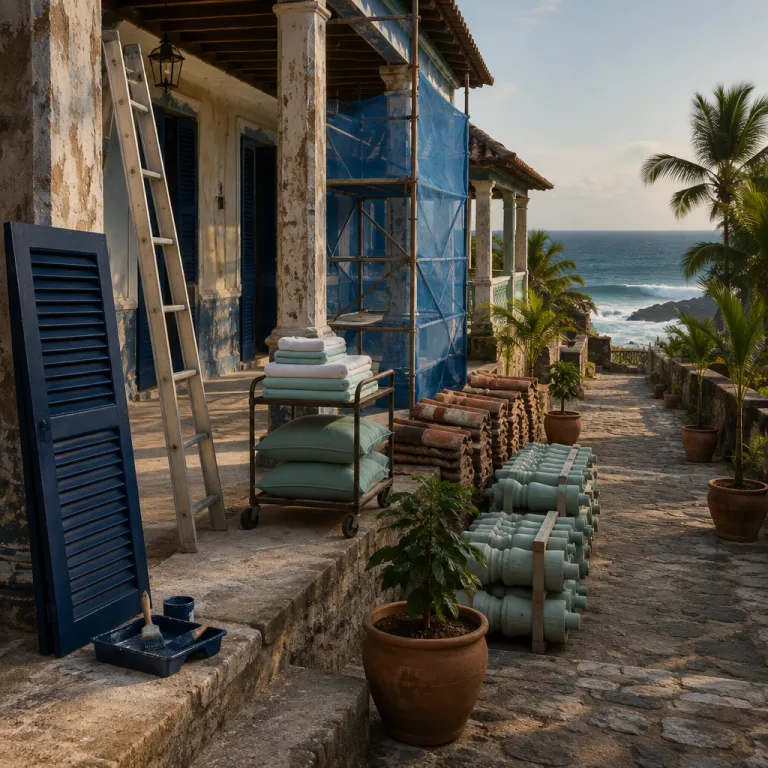
From cocoa empire to sao tome roca plantation heritage hotels
On São Tomé and Príncipe, every serious conversation about a luxury hotel stay begins with the roça. These former cocoa and coffee plantation estates once formed a dense network of more than 150 properties, turning São Tomé into one of the world’s leading cocoa exporters in the early 20th century and shaping today’s São Tomé roça plantation heritage hotels. According to colonial agricultural reports from 1913–1914, the archipelago exported over 35,000 tons of cocoa per year, a boom that left its mark on the landscape and on local memory. A roça was a self-sufficient agricultural world, where Portuguese colonists controlled production while enslaved Africans and contracted workers lived in harsh conditions that still echo through oral histories collected by researchers such as Gerhard Seibert.
Understanding this history matters when you book a hotel on either island. A roça, by definition, is a colonial-era plantation estate in São Tomé and Príncipe, typically combining fields, processing buildings and housing in a single complex. Many of the most atmospheric hotels now occupy these plantation house ensembles, adapting the original layout rather than erasing it, and often preserving details like stone staircases, cast-iron railings and tiled verandas documented in early 1900s photographic archives held by the Arquivo Histórico Ultramarino in Lisbon.
Families arriving on São Tomé island today often sleep in rooms that were once part of a casa grande, the main plantation house overlooking cocoa trees and the terreiro, the drying terrace. These São Tomé plantation heritage hotels turn the old colonial house into lounges, libraries and suites, while workers’ quarters become guest rooms and schools become galleries. As one local guide in Trindade, Dona Celina Monteiro, explains, “When you sleep in the big house and walk past the old barracks, you feel how people lived here before independence.” Staying in a restored plantation house rather than a generic hotel block gives you a direct line to the islands’ layered past and a richer, more grounded travel experience.
The anatomy of a roça and how it shapes your stay
Walk into any of the leading São Tomé roça plantation heritage hotels and you are really entering a carefully edited plantation village. The classic layout repeats from São Tomé’s east coast to Príncipe island: a central square, the colonial house on a rise, a chapel, a hospital, workshops, and long barracks for workers. These elements now host reception areas, family rooms, restaurants and cultural spaces that make a plantation stay both comfortable and thought provoking.
The terreiro, once used to dry cocoa beans in the sun, often becomes the heart of the hotel, a terrace where you take breakfast or watch children play after a swim in the pool. Processing sheds morph into airy dining rooms serving local fish, while the senzala, the former workers’ quarters, may hold simple but stylish rooms with air conditioning and polished concrete floors. When you stay roça style at places like Roça São João or Roça Agostinho Neto, you see how every stone and beam carries the story of forced labor, monoculture farming and later nationalization after 1975, when land reforms transferred many estates from private owners to the state.
For families, this architectural clarity makes orientation easy and gives structure to a multi-night stay. You can sleep in a plantation house suite, then walk with a guide from the colonial house to the old hospital and school, hearing how “Roças led to cultural blending but also exploitation of local populations,” as summarized in research by historians such as Gerhard Seibert and Inês Nogueira. To go deeper into this heritage with children, look for a family-friendly plantation visit such as the one detailed in this guide to Roça Agostinho Neto, which explains the roça system in accessible, honest language.
Key conversions on Príncipe: from sundy plantation to belo monte
On Príncipe island, the most refined São Tomé roça plantation heritage hotels cluster around the northwest, where jungle drops to empty coves. Here, the former Sundy plantation has given rise to two distinct stays that define the high end of São Tomé and Príncipe hospitality. Roça Sundy, set in a restored colonial house above Santo António, offers rooms steeped in history, while Sundy Praia hides tented villas in the forest just behind the beach.
At Roça Sundy, families sleep in high-ceilinged rooms where air conditioning hums quietly behind thick walls and original tiles frame polished timber. The service feels intimate and local, with staff from nearby Santo António villages explaining how their grandparents worked the cocoa fields of the same plantation. Down on the shore, Sundy Praia delivers a different experience, pairing a soft sand beach with a generous swimming pool and villas that reference plantation house proportions without copying colonial details.
Further along the coast, Belo Monte sits above Banana Beach, arguably the most photographed curve of sand on Príncipe. This former Príncipe roça has been carefully reimagined as a luxury hideaway, with the main plantation house now hosting lounges and a bar that look over the forest canopy. For a detailed breakdown of what this conversion delivers for families and couples, consult the in-depth review of Roça Belo Monte, which explains how a large-scale cocoa estate can become a characterful hotel without erasing its past.
São Tomé island: coastal roças, cocoa stories and family friendly stays
While Príncipe island captures headlines, São Tomé island holds the densest concentration of São Tomé roça plantation heritage hotels. Along the east coast, former estates line the road, some crumbling, others reborn as guesthouses and small luxury properties. Staying in these roças lets families balance beach time with cultural immersion, often within a short drive of the capital, São Tomé.
Roça São João, south of the city, is a benchmark for sensitive restoration, with its colonial house turned into a restaurant and cultural center. Here, the plantation house kitchen serves refined versions of local dishes, while art installations in former storage rooms tell stories of cocoa, coffee and the people who worked them. Children can wander between the house and the old terreiro, seeing how cocoa beans once dried in the sun before being shipped from São Tomé to Europe, a trade that peaked around the 1910s according to colonial export records held in the Boletim Oficial de São Tomé e Príncipe.
Other properties on São Tomé island lean more toward a classic beach hotel feel while still referencing plantation heritage. You might stay in a low-rise hotel near Praia das Conchas or Praia das Sete Ondas, then visit nearby roças by day to understand how “Some roças have been repurposed into hotels and cultural sites.” When planning a peak season stay that combines a coastal hotel with a few nights in a plantation house on Príncipe, use this practical guide to booking Príncipe for peak summer, which helps you check availability before demand tightens.
Ethics, the REVIVE ROÇAS program and how to choose your stay
Booking into São Tomé roça plantation heritage hotels means engaging with a difficult history as well as enjoying serious comfort. The roça system was built on forced labor, centralized control and monoculture farming that enriched Portuguese colonists and European trading companies. Any honest hotel conversion must acknowledge that reality while creating opportunities for local communities today.
The REVIVE ROÇAS program, a partnership with Portuguese institutions inspired by the wider REVIVE heritage initiative, is now identifying a first wave of eight roças for restoration into hotels and cultural spaces. Official documentation from the Government of São Tomé and Príncipe outlines pilot estates such as Roça Uba Budo and Roça Diogo Vaz as candidates for public–private rehabilitation, and references to the scheme appear in joint communiqués with Turismo de Portugal and in follow-up notes to UNESCO’s 2012 biosphere reserve designation for Príncipe. For travelers, this means the inventory of plantation-based stays will grow, from intimate guesthouses in a single colonial house to larger complexes with multiple rooms, pools and restaurants. The most responsible projects will prioritize local employment, transparent storytelling and access for residents, not just visitors paying luxury rates.
When you evaluate a plantation house hotel on São Tomé or Príncipe, look beyond the swimming pool and the beach to the narrative it presents. Does the property explain how enslaved Africans and later contract workers lived on this land, or does it gloss over the past in favor of pure escapism? Do staff from nearby villages feel empowered to share their own family histories of cocoa and coffee, turning your stay into a shared experience rather than a staged performance? As one Príncipe hotel manager notes, “Guests respect us more when we tell the whole story, not just the pretty parts.” Choosing thoughtfully ensures that your time in a roça supports both heritage preservation and a more equitable future for the islands.
FAQ
What exactly is a roça in São Tomé and Príncipe ?
A roça in São Tomé and Príncipe is a former plantation estate that once combined cocoa or coffee fields with housing, processing facilities and social infrastructure. These estates were economic engines for the colony, often operating as self-contained villages under centralized management. Many of today’s most characterful hotels occupy restored roças, turning historic buildings into guest rooms and cultural spaces.
Is it appropriate to stay in a former plantation house with children ?
Staying in a former plantation house can be appropriate for families if the property handles its history with honesty and care. Many roça-based hotels now offer guided walks and simple explanations that help children understand both the beauty and the injustice embedded in these estates. Parents can frame the stay as a chance to learn about cocoa, colonialism and resilience while still enjoying beaches and nature.
How do sao tome roca plantation heritage hotels differ from regular beach resorts ?
Sao tome roca plantation heritage hotels are defined by their setting in historic estates, where colonial architecture and cocoa terraces shape the entire layout. Instead of anonymous blocks, you sleep in former main houses, workers’ quarters or repurposed processing buildings, often surrounded by old cacao trees. The experience tends to be quieter, more narrative driven and closely tied to local communities than a standard resort stay.
Can I visit a roça without staying overnight in a hotel ?
Yes, several roças on both São Tomé island and Príncipe welcome day visitors for guided tours, meals or cultural events. Places like Roça São João and Roça Agostinho Neto offer access to their grounds, historic buildings and cocoa drying terraces without requiring an overnight booking. This makes it easy to add plantation heritage to your itinerary even if you prefer to sleep in a city or beach hotel.
What should I look for when choosing a roça based hotel ?
When choosing a roça based hotel, assess both comfort and conscience. Check whether rooms have essentials like air conditioning and reliable water, but also read how the property talks about its past and supports nearby communities. A strong choice will combine thoughtful restoration, clear historical interpretation and meaningful local employment with the level of service you expect from a premium stay.
Sources: São Tomé and Príncipe tourism authorities; UNESCO documentation on Príncipe’s biosphere reserve (2012 designation); academic research on the cocoa economy of the Gulf of Guinea, including work by Gerhard Seibert and other Lusophone African studies scholars; archival material from the Boletim Oficial de São Tomé e Príncipe and the Arquivo Histórico Ultramarino; official communications on the REVIVE and REVIVE ROÇAS heritage rehabilitation programs issued by the Governments of Portugal and São Tomé and Príncipe.