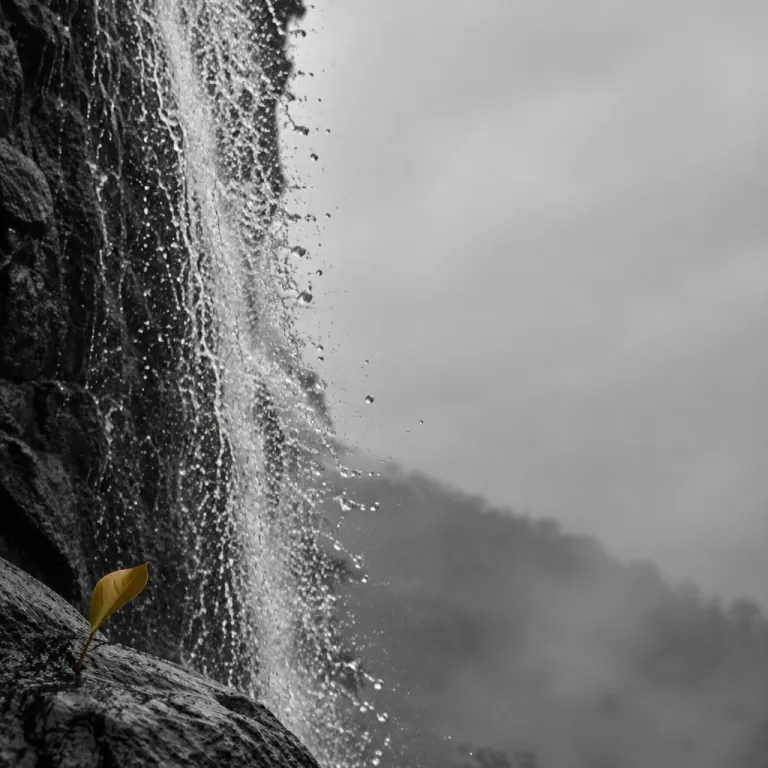
Why Cascata São Nicolau is the family friendly waterfall for the green shift
As the long dry season softens into the first showers, São Tomé’s central highlands start to glow again and families finally see why locals call this island an endless garden. This is when the São Tomé waterfall Cascata São Nicolau steps out of the background, turning from a modest trickle into a confident cascade framed by fresh forest and low mist that feels cinematic yet manageable with children. For premium travellers based in a comfortable hotel in São Tomé or on Príncipe, it is often the best single half day escape that still leaves time for a pool session before dinner.
Cascata São Nicolau sits in the central belt between Monte Café and Bom Sucesso, roughly 18 km inland from São Tomé city, so visitors can pair it with plantation country without committing to a full expedition into deep rainforest. The drive from the capital usually takes 45–60 minutes along the EN2, which makes this waterfall ideal for families who prefer a short outing rather than a long, exhausting loop across the island. Luxury properties commonly arrange a private vehicle and a local guide, turning what could be a simple walk to a pool at the base into a curated experience with context about cocoa, coffee and the old roça system that once defined São Tomé and Príncipe.
For parents weighing different São Tomé waterfalls, Cascata São Nicolau offers the best balance between drama and ease, especially in October when the first real rain returns. The path is short, the gradient is gentle, and the reward is immediate, so even younger children feel the payoff without complaints about distance or time. When you stand at the viewing point and watch the water flow over the dark rock into its natural pool, you understand why Cascata São Nicolau has become the quiet favourite of families who travel for landscape and nature rather than for crowds.
The season October window: when rain makes the forest and falls come alive
On São Tomé the shift from dry to wet season is not a dramatic storm line, but a slow, elegant handover that starts around October and continues for weeks. During this shoulder period the forest around Cascata São Nicolau is at its best time for family visits, because the canopy is newly washed, the air is cooler, and the waterfall has enough flow to impress without turning the path slippery beyond comfort. For luxury travellers used to planning around school calendars, this timing often aligns with fall breaks, making a visit to Cascata São Nicolau a smart anchor for a green season itinerary.
In the height of the dry season the cascade can shrink, leaving more rock than water, while in the peak wet season the rain can be heavy enough to shorten a day trip. The early wet weeks offer a middle ground: showers pass quickly, the forest steams gently, and families can still manage a relaxed half day around the falls before returning to their hotel. If you are staying at a roça conversion or a coastal resort, staff will usually track the rain pattern and advise on the best time to leave São Tomé city so that you reach the waterfall between showers.
Evening skies in this period can be startlingly clear once the clouds burn off, which matters if you are the kind of traveller who pairs daytime forest walks with night time stargazing. Families who plan carefully can spend the day visiting Cascata São Nicolau and then, after dinner, lean into São Tomé’s dark sky credentials that have made the island a reference point for equatorial astronomy, as documented by the São Tomé and Príncipe Tourism Board and UNESCO in their material on the 1919 Príncipe eclipse that helped confirm Einstein’s theory of general relativity. The wider point is simple: for the right traveller, October’s rain is not a warning but a feature that turns a standard waterfall stop into a textured, season aware experience.
Designing a green season day: waterfall, roças and a long lunch
The most satisfying way to experience Cascata São Nicolau is to fold it into a full but unhurried day that traces the island’s central spine. Start from São Tomé city after breakfast, drive up through Monte Café with a local guide, and pause at the old coffee terraces where altitude still shapes the beans that now headline the island’s comeback story. For a deeper sense of this revival, many travellers read about the Monte Café coffee renaissance before they travel, then stand on the same slopes and watch the rain move across the valley.
From Monte Café it is a short drive to the Cascata São Nicolau trailhead, where a clearly marked path of roughly 600–800 metres leads through secondary forest to the waterfall in less than twenty minutes. In October the route can be damp and the path slippery in places, but for most families this adds a sense of adventure rather than real risk, especially with proper footwear and a São Tomé based guide. Children usually love the final reveal: the forest opens, the sound of water rises, and suddenly the full height of Cascata São Nicolau drops into its natural pool, framed by moss and ferns that stay green year round.
After visiting the cascata and letting the children paddle at the edge of the pool under close supervision, you can loop back toward Bom Sucesso for a late lunch at a simple local restaurant or at a restored roça. Many premium travellers choose a roça with a strong kitchen and a view over the central forest, combining grilled fish, local vegetables and São Tomé chocolate with a slow afternoon while the rain drifts in and out. This is where the island’s layered history becomes tangible: you sit on a terrace built for colonial planters, now reclaimed by a new generation, a story explored in depth by São Tomé and Príncipe tourism initiatives and heritage projects working to bring derelict roças back to life.
Practical guidance for families: footwear, expectations and hotel choices
Planning a family visit to Cascata São Nicolau is less about technical difficulty and more about reading the season and setting expectations. In the dry season the approach is easier underfoot, but the waterfall can be modest, while in the wet season the cascata has more drama but the slippery sections demand better shoes and closer supervision of children. For most premium families the best time is that early wet window around October, when the forest is lush, the flow is strong, and the rain usually comes in short pulses rather than all day downpours.
Footwear matters: closed shoes with grip are essential, because even in a half day outing you will cross damp roots and slick stones on the way to the main viewpoint. Pack light rain jackets for everyone, accept that you may get wet, and frame the showers as part of the experience rather than a problem, especially for younger visitors who often find the tropical rain more entertaining than adults do. A good local guide from São Tomé or Príncipe will pace the walk, point out plants and birds in the central forest, and quietly manage timing so that your family reaches Cascata São Nicolau when the light is soft and the crowds, if any, are thin.
From a hotel booking perspective, staying in or near São Tomé city gives you the most flexibility for a spontaneous day trip, while a night or two in a restored roça closer to Monte Café or Bom Sucesso deepens the sense of place. Luxury travellers often split their São Tomé and Príncipe itinerary: a few nights on São Tomé for inland excursions like visiting Cascata São Nicolau, then a transfer to Príncipe for biosphere level wilderness and beach time. However you structure it, remember that this waterfall is not an isolated attraction but part of a wider natural and cultural landscape where local life, plantation history and the rhythm of rain and dry months still set the tempo for every day on the island.
FAQ
What is the easiest way to reach Cascata São Nicolau with children ?
The easiest way to reach Cascata São Nicolau with children is to base yourself in São Tomé city and arrange a private vehicle with a local guide through your hotel or a licensed tour operator. The drive to the central highlands usually takes under an hour, and the walk from the trailhead to the waterfall is short, with limited elevation gain, making it manageable as a half day outing. Families who prefer more flexibility can also hire a driver directly in town, but booking through a trusted property adds an extra layer of safety, insurance and coordination.
Is the path to the waterfall safe during the early rains ?
During the early rains around October the path to Cascata São Nicolau can be damp and occasionally slippery, but it remains accessible for most families with basic fitness. Closed shoes with good grip are essential, and parents should hold younger children’s hands on steeper or muddier sections. A local guide helps you judge conditions on the day, checks river levels and can suggest turning back or shortening the visit if the rain becomes too intense.
Can children swim in the pool at the base of the falls ?
The natural pool at the base of Cascata São Nicolau is shallow near the edge but can deepen quickly toward the centre, especially when the waterfall has strong flow. Many families allow children to paddle or sit on rocks at the margin of the pool under close supervision, rather than full swimming. Always assess the current on the day, follow your guide’s advice and avoid entering the water after heavy rain when conditions can change rapidly and visibility is reduced.
How should I plan my hotel stay around a visit to the waterfall ?
For most premium travellers the most practical plan is to spend several nights in a comfortable hotel in São Tomé city, using it as a base for inland excursions such as Cascata São Nicolau and the Monte Café coffee region. You can then add a stay at a restored roça in the central highlands or continue to Príncipe for a contrasting beach and biosphere experience. Booking flexible dates during the shoulder into wet season allows you to move the waterfall day if the forecast from local authorities or your hotel suggests heavier rain.
Is Cascata São Nicolau suitable for very young children or older relatives ?
Cascata São Nicolau is one of the more accessible São Tomé waterfalls, but suitability depends on mobility rather than age alone. The trail is short with some uneven ground, so very young children may need to be carried in parts and older relatives should use walking poles for stability. If anyone in your group has limited mobility, discuss this with your hotel, guide or the São Tomé and Príncipe Tourism Board information office in advance so they can advise honestly on whether the path conditions match your needs.
Sources
São Tomé and Príncipe Tourism Board; UNESCO World Heritage Centre; International Union for Conservation of Nature (IUCN); local guide briefings and roça hospitality operators in the Monte Café and Bom Sucesso area.