São Tomé roças and UNESCO World Heritage: what the nomination really means for travelers
The candidacy known as “The Roças of São Tomé and Príncipe: Colonial Agricultural System and Forced Migration” pushes the emerging São Tomé roças UNESCO World Heritage discussion from specialist circles into the travel planning stage. Submitted to UNESCO in early 2024 as a mixed cultural landscape proposal, it recognises a plantation network on the islands of São Tomé and Príncipe where cocoa production and coffee monoculture once made this small country one of the world’s largest exporters in West Africa, powered by forced labour from Angola and other parts of the continent.1 For anyone choosing a luxury stay on São Tomé Island or on Príncipe, that means your room may sit inside a former plantation hospital, school or chapel now reimagined as high-end accommodation.
Six roças are in the nomination dossier, with Monte Café, Água Izé and Sundy among the most intact examples of this cultural heritage landscape.1 These estates show how the Portuguese colonial government organised sugar and cocoa production after the formal end of the slave trade, using contract systems that kept many people in conditions close to slavery and tying the economic growth of São Tomé and Príncipe to global commodity markets. UNESCO’s evaluators will examine how these sites document post-slavery agriculture in West Africa and how they connect to wider World Heritage narratives about plantation economies, migration and sustainable development.
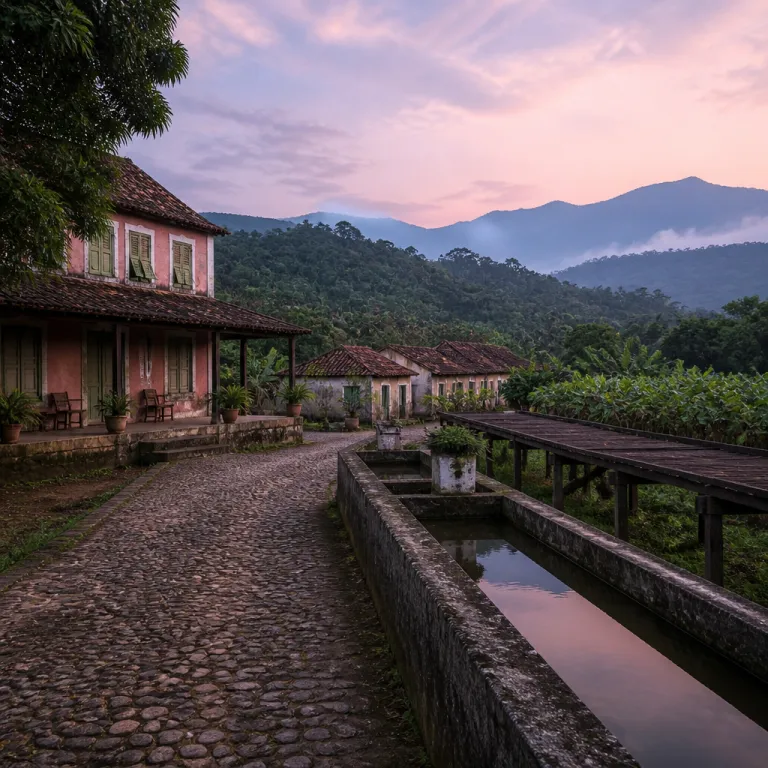
On the ground, you still see the grid of workers’ quarters, the minister’s house or administrator’s residence, the church façade and the industrial heart where beans once dried in the equatorial sun. Roça Sundy on Príncipe adds a different layer to the São Tomé roças World Heritage story, as the place where Arthur Eddington observed the 1919 solar eclipse that confirmed Einstein’s theory of general relativity, linking this remote Gulf of Guinea island to international science. “When guests stand on the same terrace where Eddington set up his instruments, they realise this is not just another beach destination,” notes a local guide in Santo António. For travelers, that mix of science history, colonial architecture and present-day hospitality makes Príncipe feel less like another tropical island and more like a living archive of how tourism development can reinterpret difficult pasts.
From working plantation to luxury stay: how roças are being reshaped
Many of the roças now under review for potential UNESCO World Heritage status are already part of the premium hotel landscape, especially on Príncipe where Sundy Praia and Roça Sundy anchor the high-end offer. Their owners operate within a UNESCO Biosphere Reserve, which already sets strict rules on land use, conservation and long-term tourism development across this island in the Gulf of Guinea. If the plantation ensemble gains UNESCO recognition as cultural heritage, those obligations will deepen, affecting everything from how many rooms can be added to how you restore a Portuguese-era façade.
The Government of São Tomé and Príncipe, advised by CRAterre and local communities, has framed the nomination as a tool for sustainable development rather than a museum-style freeze.2 In public briefings, officials argue that carefully managed foreign investment in heritage properties can support economic growth while protecting the integrity of the plantation landscapes that once exploited slaves and later contract workers from Angola and other parts of Africa. As one heritage officer in São Tomé city puts it, “We cannot erase this history, but we can decide whether it becomes a closed chapter or a resource that benefits today’s residents.” For travelers booking now, that means the current balance between raw, lightly restored spaces and polished comfort may shift as conservation standards tighten and as international tourism demand accelerates after any inscription.
On São Tomé Island, Monte Café and Água Izé still feel like working villages where people live among rusting machinery, faded Portuguese signage and the slow rise of guest rooms and restaurants. This is where the tension between preservation and hospitality is most visible, and where the São Tomé roças World Heritage debate becomes very concrete for a traveler choosing where to sleep. If you want a deeper architectural briefing before you book, our guide to how the roça system shaped São Tomé’s hospitality architecture offers a clearly signposted, promotional overview of why some properties lean into patina while others pursue a cleaner luxury aesthetic.
Timing your stay around the UNESCO vote: why “before the list” matters
The UNESCO World Heritage Committee will examine new nominations and the state of conservation of inscribed sites during its 48th session, and the roças of São Tomé and Príncipe are scheduled for review in late July in Busan, Republic of Korea.3 That timetable matters for anyone eyeing a São Tomé roças UNESCO-themed trip, because once the decision is announced, international media coverage and tour operator interest usually spike, especially for relatively under-visited islands like São Tomé and Príncipe in West Africa. Early adopters who secure rooms now, particularly on Príncipe where capacity is limited by the biosphere reserve framework and by small-scale lodges that rarely exceed a few dozen guests, will experience the estates before higher volumes of cultural tourism arrive.
For peak summer, when July and August bring more regional visitors from Portugal and Angola, high-end rooms at roça-based properties and at coastal resorts linked to plantation history already sell out weeks in advance. Our dedicated briefing on booking Príncipe for peak summer is a clearly promotional resource that outlines which addresses to prioritise if you want both heritage immersion and reliable service. On São Tomé Island, properties such as Club Santana sit outside the formal roças nomination but still plug you into the same story, pairing beachside comfort with excursions to Monte Café, Água Izé and other estates that shaped the country’s cocoa production economy.
For families or small groups, a base at a full-service resort can be the most practical way to engage with this complex history while keeping logistics smooth. Our review of the São Tomé resort that works best when you bring the whole family is likewise a promotional guide that explains how to combine pool time with guided roça visits that unpack themes of the slave trade, forced migration and post-slavery labour systems. As UNESCO, CRAterre and the national government stress in their public materials, “What are roças? Why are roças significant? When will UNESCO decide on the nomination?” are not abstract questions but the framework for how future tourism development, foreign investment and heritage protection will intersect on these islands.
Sources: 1. Nomination file “The Roças of São Tomé and Príncipe: Colonial Agricultural System and Forced Migration,” submitted to UNESCO, 2024. 2. CRAterre technical support notes and national briefing sessions on the roças nomination. 3. UNESCO World Heritage Committee, 48th session agenda, Busan, Republic of Korea.