Why Príncipe’s underwater world belongs on your luxury island itinerary
Príncipe island sits alone in the Gulf of Guinea, a green volcanic outpost that feels far from the usual Africa beach circuit. For couples used to stitching together South Africa safari lodges with Indian Ocean hideaways in places like Cape Verde or Diani Beach, this quieter corner of West Africa offers a different rhythm and a more intimate relationship with the sea. Here, the focus is not on ticking off the most famous dive sites but on folding a few carefully chosen scuba diving days into a longer, slow travel trip that lingers over cacao, jungle and an almost private beach at the edge of the Atlantic.
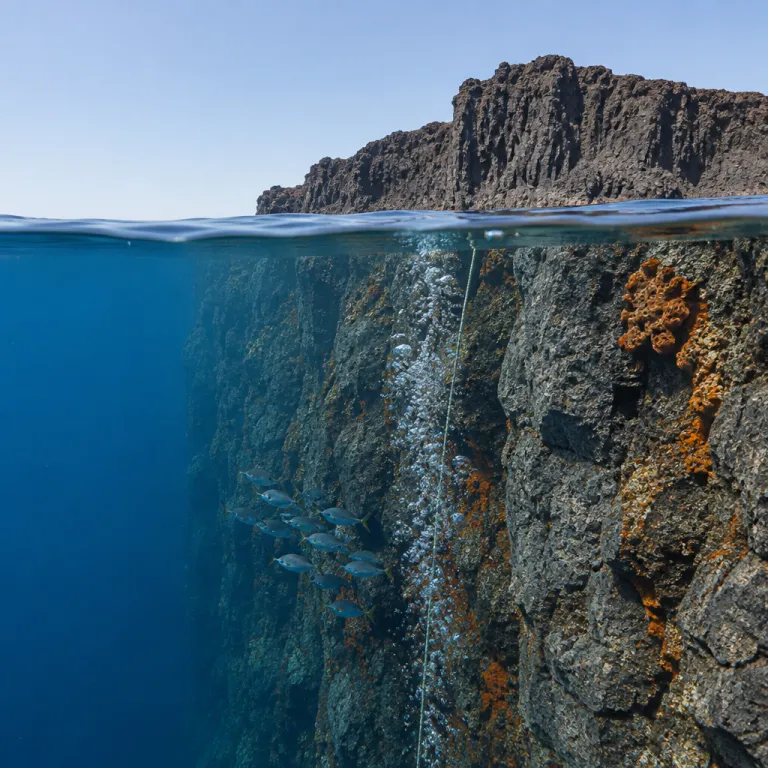
The main draw for underwater lovers is the volcanic spine of the Cameroon Volcanic Line, which drops steeply into clear water around Ilhéu Bom Bom and the smaller offshore islands that ring the north of Príncipe island. Instead of classic coral gardens like those in the Red Sea or the Indian Ocean, you glide along lava walls, pinnacles and swim-through arches where reef fish flicker in and out of the rock, and where every dive feels like a quiet exploration rather than a crowded excursion. This is where the idea of Príncipe as a discreet diving and snorkeling hub starts to make sense for luxury travelers, because the same roça where you sleep and dine sends you out by boat in the morning, then welcomes you back for sunset drinks above the surf.
For guests booking through a curated platform such as mysao-tomestay.com, the value lies in how precisely these underwater experiences are matched to the right property on the right island. Bom Bom Island Resort, perched on its own tiny islet just off the main island of Príncipe, is the natural base for scuba, snorkel and gentle underwater exploration, while inland roças offer a complementary sense of history and forest life. You are not choosing between a pure dive resort and a pure beach retreat in São Tomé and Príncipe; you are designing a trip where marine life, rainforest walks and slow dinners all share the same unhurried time frame.
The volcanic walls and pelagic life around Ilhéu Bom Bom
Slip beneath the surface off Ilhéu Bom Bom and the first impression is vertical; the seabed falls away quickly, creating dramatic underwater walls that feel more like a remote cape than a small equatorial island. These formations, carved by the same forces that shaped São Tomé and Príncipe along the Cameroon Volcanic Line, give divers a sense of depth and scale that rivals better known Indian Ocean and Red Sea destinations, yet the dive sites here remain uncrowded and largely unmarked by mass tourism. Boat dives arranged through Bom Bom Island Resort’s in-house dive operation typically reach the walls and pinnacles within minutes, so you spend more time in clear water and less time commuting by boat.
This is a pelagic-focused area rather than a classic coral reef destination, and that distinction matters when you are comparing it with places like Cape Verde or the coral gardens of East Africa. Cleaning stations along the walls attract rays, large jacks and other passing visitors, while reef fish cluster in pockets where coral has taken hold on the lava, creating small but vivid patches of marine life. Divers often encounter turtles, rays and various fish species, a pattern echoed in regional surveys of Gulf of Guinea reef communities by marine biologists working with São Tomé and Príncipe’s protected areas. The sense of space and the low number of other divers mean that even a shallow dive can feel like a private safari, with the rock face on one side and the blue on the other.
Whale shark encounters have been documented in the waters around Príncipe island, and conservation organisations such as the Blue Marine Foundation have reported dozens of observations in their field updates on the archipelago, which in turn contributed to stronger national protections for the species. Humpback whales migrate through from roughly July to October, a window that aligns with broader Eastern Atlantic migration data published by regional cetacean research programmes, and from the terraces of Bom Bom Island Resort or the clifftop suites at coastal roças you can sometimes see the blows offshore before heading out by boat. For honeymooners weighing a luxury stay in São Tomé and Príncipe against a more conventional Indian Ocean escape, this combination of volcanic drama, pelagic encounters and near-empty beach time can be a persuasive argument in favor of the archipelago.
Conditions, seasons and how many dives to plan into your stay
Water temperatures around Príncipe island typically hover between 26 and 28 °C according to long-term regional sea-surface records compiled for the Gulf of Guinea, which means you can plan scuba diving or long snorkeling sessions without the thermal shock you might feel in parts of South Africa or Cape Verde. Visibility often reaches around 30 meters in the dry season, a figure echoed by local dive briefings and by observational notes from conservation teams working off Príncipe, and dive crews describe the best time for serious underwater photography as the months when the seas are calm and the light is softer. Because the climate is relatively stable and the archipelago sits close to the equator, you can realistically plan a trip with some form of underwater activity most months of the year, even if specific weeks bring slightly clearer water or more predictable surface conditions.
From a planning perspective, the sweet spot for many couples is to schedule three to five dives over a week-long stay, using Bom Bom Island Resort as a base for morning boat dives and then shifting inland to a roça for the final nights. That rhythm allows you to enjoy the best of the reef and the volcanic walls without turning the entire trip into a single-focus scuba itinerary, which is important because this is not a destination with dozens of contrasting coral reef systems like the Red Sea. Instead, you return to a handful of carefully chosen dive sites, watching how the marine life shifts with the tides and the time of day, and using the afternoons for forest walks, cacao tastings or simply reading by the beach.
Limited operators mean that dives are usually arranged privately or in very small groups, which suits the tone of a luxury stay but also requires advance planning through a specialist platform such as mysao-tomestay.com. Curators typically suggest combining a few nights at Bom Bom Island Resort with properties highlighted in our guide to the best hotels in São Tomé and Príncipe, so that your underwater days are balanced by evenings in historic roças with strong culinary programs. In practice, that means you might start with a few days focused on scuba diving and snorkeling off Ilhéu Bom Bom, then move to a clifftop retreat where humpback whales are a backdrop rather than the main event.
From reef edge to roça terrace: building a multi layer Príncipe itinerary
What sets Príncipe apart from more established Africa islands is how naturally the underwater world folds into the rest of the island’s life. You might start the day with a gentle dive along a lava ledge where small coral heads shelter reef fish, then return to shore for a lunch of grilled fish and local vegetables on a quiet beach that feels almost private. In the late afternoon, a guide might lead you through the forest behind the roça, drawing on research from local conservation NGOs to point out endemic birds and cacao trees, before you end the day with a drink on a terrace that looks straight out to the same marine horizon you explored that morning.
For couples used to the safari-plus-beach model in South Africa or West Africa, Príncipe offers a different kind of pairing; here, the “safari” is a slow walk through primary forest or a boat ride along mangrove-lined bays, while the “beach” is a small cove where you might be the only guests in sight. Diving São Tomé and snorkeling around Ilhéu Bom Bom become one element in a broader story that includes colonial-era architecture, conservation projects documented in national park management plans and a food scene that quietly rivals more famous islands. A stay at a property such as Sundy Praia, whose layered history and architecture we unpack in detail in our feature on how the property reads two centuries of Príncipe history, can frame your underwater days within a deeper understanding of the island’s past and present.
Because the number of dive sites is limited and the emphasis is on quality rather than quantity, you can comfortably plan non-diving days without feeling you are missing the “best” reef or the most famous coral gardens. Some guests choose to snorkel instead of scuba on certain days, drifting above the same underwater walls in clear water while keeping the schedule light enough to fit in a cacao plantation visit or a massage. The result is a trip where marine life, roça culture and long, quiet evenings all share equal billing, and where the search for the most rewarding Príncipe island diving and snorkeling spots refers less to a checklist and more to a set of experiences that unfold at the pace of the island itself.
Practicalities: operators, safety and what to expect from the dive experience
All serious underwater activity around Ilhéu Bom Bom currently revolves around the dive center operating in close partnership with Bom Bom Island Resort on the small islet just off the north coast of Príncipe. The team offers both boat dives and shore dives, with itineraries tailored to different levels of experience, so beginners and advanced guests can share the same trip without compromising on safety or enjoyment. Local dive crews emphasize eco-friendly practices, from careful briefings on coral reef etiquette to the use of reef-safe sunscreen, which aligns well with the conservation focus described in São Tomé and Príncipe’s national marine protection plans.
For guests new to scuba, there are structured courses that allow you to complete an entry-level certification or a refresher before heading out to the more exposed dive sites. Are there dive courses available? Yes, local dive centers offer courses for beginners and advanced divers, generally following international training-agency standards. Is diving suitable for beginners? Yes, there are sites appropriate for all skill levels. That means a couple where one partner is already comfortable with deeper dives and the other prefers shallow reef edges can still share the same boat, with the guide adjusting depth and route to suit each diver’s comfort zone.
From a safety and comfort perspective, the key is to build enough time into your itinerary so that dives are never rushed and surface intervals can be spent back at the resort or on a shaded beach. Check visa requirements, bring reef-safe sunscreen and book dives in advance, especially if your dates coincide with the peak period for humpback whales or with local holidays on São Tomé. With average water temperatures around 27 °C and visibility that can reach 30 meters, the conditions are forgiving, but the remoteness of São Tomé and Príncipe means that careful planning through a specialist platform remains the best way to ensure that every underwater session feels as polished as the rest of your stay.
How Príncipe compares to classic dive circuits in Africa and beyond
Seasoned divers who have logged hours in the Red Sea, the Indian Ocean and the more accessible parts of West Africa often arrive in São Tomé and Príncipe with a mental checklist of what a “top” coral reef should look like. Príncipe island does not compete on sheer density of coral gardens or on the number of mapped dive sites, and it should not be booked as a replacement for a dedicated liveaboard trip in the Maldives or a week of back-to-back dives in Egypt. Instead, it occupies a quieter niche, closer in spirit to a remote cape or a small volcanic island where the appeal lies in the combination of marine life, landscape and cultural context rather than in any single metric.
Compared with Cape Verde or Diani Beach, the underwater topography around Ilhéu Bom Bom feels more dramatic and less domesticated, with steep walls and pinnacles that drop into blue water and attract pelagic visitors such as whale sharks and, in season, humpback whales. The coral reef growth is patchy but healthy, supporting a good mix of reef fish and other marine life, yet the real luxury is the sense of space and the absence of crowds. For couples who have already sampled the classic safari-plus-beach formula in South Africa and are now looking for a more intimate island experience, São Tomé and Príncipe offers a compelling alternative where the best time underwater is framed by long, quiet evenings on land.
From a booking perspective, the role of a specialist platform like mysao-tomestay.com is to be honest about what the search for Príncipe island diving and snorkeling spots really means in this context. You are not coming here for a checklist of famous coral gardens or for a dense network of dive schools, as you might in the Red Sea or parts of the Indian Ocean. You are coming for a handful of carefully chosen dives off Ilhéu Bom Bom, for the sight of whale sharks gliding past volcanic walls, for the chance to watch the same marine horizon from your room that you explored by boat that morning, and for a style of hospitality that treats the underwater world as one chapter in a larger, island-wide story.
FAQ
What marine life can I expect to see around Ilhéu Bom Bom?
Divers and snorkelers around Ilhéu Bom Bom regularly encounter turtles, rays and a wide variety of reef fish along the volcanic walls. Whale sharks are present in the region, with documented sightings by projects such as the Blue Marine Foundation’s work in São Tomé and Príncipe helping to support new protections for the species. During the migration season, humpback whales can often be seen from shore and occasionally heard underwater during deeper dives, a pattern consistent with broader Eastern Atlantic humpback monitoring programmes.
Is Príncipe suitable for beginner divers or only for experts?
Príncipe offers a mix of gentle reef edges and more exposed walls, so both beginners and experienced divers can enjoy the area. Local operators provide structured courses and guided dives that match depth and conditions to each guest’s experience level, following internationally recognised training standards. Calm bays and shore entry points near Bom Bom Island Resort are particularly well suited to first-time or rusty divers.
How many dives should I plan during a one week stay?
For most couples, three to five dives over a week-long trip strikes a good balance between underwater time and other island experiences. That schedule allows you to explore several key dive sites around Ilhéu Bom Bom while keeping space for forest walks, roça visits and relaxed beach afternoons. Because operators are limited, it is wise to reserve your preferred days and times before you arrive.
When is the best period to visit Príncipe for diving?
Diving is possible in most seasons thanks to stable water temperatures around 26 to 28 °C, as indicated by regional oceanographic data for the Gulf of Guinea, but the dry season generally brings calmer seas and better visibility. Guests particularly interested in underwater photography often favor these clearer months, while those keen on humpback whale encounters may time their trip for the migration period. In all cases, planning with a specialist who understands local patterns will help you match your dates to your priorities.
Can I combine diving on Príncipe with time on São Tomé island?
Many travelers choose to start or end their trip with a few nights on São Tomé island, using it as a cultural and culinary counterpoint to the quieter pace of Príncipe. São Tomé offers more urban energy, historic sites and a different set of beaches, while Príncipe focuses on intimate roças, volcanic landscapes and concentrated dive sites around Ilhéu Bom Bom. Booking both islands through a single platform simplifies transfers and ensures that your underwater days fit smoothly into the wider itinerary.