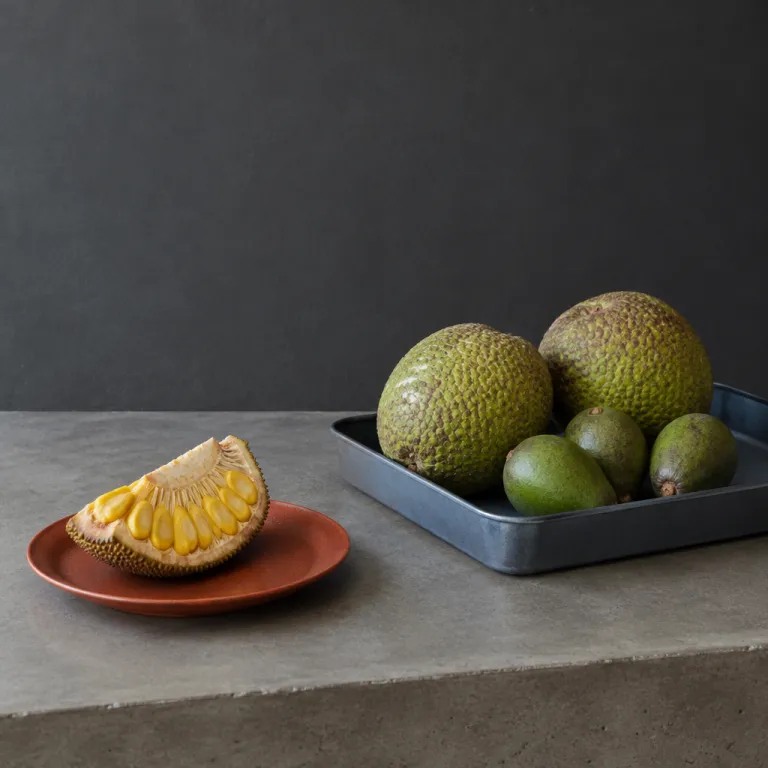
The sao tome tropical fruit local produce that defines a luxury breakfast
The most memorable luxury breakfasts in São Tomé and Príncipe rarely start with eggs. They begin with a quiet line of bowls where tropical fruits sao line up in colour blocks, turning the buffet into a map of the islands rather than a generic hotel spread. When a property respects locally grown fruit from São Tomé, Príncipe and other seasonal ingredients, that fruit corner becomes the clearest signal of how seriously it treats provenance and service.
On these chocolate islands, volcanic slopes and a humid equatorial belt shape every fruit and every leaf. The farming system is still largely small scale and traditional, so visitors taste a kind of agricultural heritage that disappeared in many other islands decades ago. When hotels work directly with Santomean farmers, they bring in high quality trays of tropical fruits that include cocoa pods, papayas, pineapples and the occasional breadfruit jackfruit wedge, all grown within a few kilometres.
For visitors arriving from the United States, the first surprise is how familiar names taste different in this country. A mango here is denser, less stringy, and the coconut water is almost creamy, reflecting a farming system that favours mixed shade crops over intensive monoculture. The best luxury properties in sao tome and in tome principe lean into this, framing island-grown fruit and other local produce as a daily tasting rather than a decorative garnish.
Look for hotels that list local ingredients and name the specific roça, or former plantation, that supplied them. When a menu notes that the kitchen will include cocoa nibs from a nearby estate such as Roça São João dos Angolares or coffee from the Monte Café highlands, it is signalling a direct relationship with the land and with the people who farm it. That level of detail is what turns a simple plate of fruits into a window on culture sao and on the wider principe country.
Safú, jackfruit and breadfruit: from santomean table to hotel buffet
Safú is the first sao tome tropical fruit local produce you should look for on a serious breakfast table. Technically a fruit yet eaten as savoury food, this purple, olive sized tropical fruit is roasted until the skin wrinkles and the flesh turns buttery and faintly tangy. Santomean families eat safú with grilled fish or cassava, while hotels often slice it warm over toast, letting its natural oils stand in for palm oil or butter.
Jackfruit and breadfruit occupy a different corner of the table, both central to the agricultural heritage of the islands. Jackfruit is usually served ripe, its golden bulbs pulled from the spiky shell and chilled, tasting like a cross between pineapple, banana and bubblegum, while breadfruit is more starchy and often appears as thin breakfast chips or soft wedges. When a chef understands local produce, you might see breadfruit mashed with coconut milk or toasted with cocoa crumbs, a quiet nod to the chocolate islands identity.
On Príncipe tropical mornings, some hotels grill breadfruit over charcoal before service, giving it a faint smoke that pairs beautifully with strong local coffee. In contrast, jackfruit might be folded into yoghurt or plated beside chocolate shavings, reminding visitors that many farms include cocoa trees alongside fruit trees in the same farming system. This is where sao, tome and principe meet on one plate, with tropical fruits, cocoa and coffee sharing the same volcanic origin.
Luxury properties that take food seriously often reference the island’s cacao story in their breakfast design. If you are staying during the cocoa festival season, ask whether the hotel offers any special tastings or themed menus linked to events like the São Tomé cocoa festival cultural deep dive. Those mornings tend to highlight seasonal fruit from São Tomé even more, pairing fruits sao with single origin chocolate and freshly ground coffee from the same valleys.
How locals eat it versus how hotels plate it
On the streets of São Tomé city, fruit is rarely fussy. A vendor will split a coconut with two strokes, pour coconut water into a plastic cup and hand you thick slices of the white flesh, while at home many Santomean families simply halve a tropical fruit and eat it with a spoon. The same local produce, once it reaches a five star buffet, often appears as precise cubes and fans, beautiful but sometimes stripped of context.
In villages across the islands, jackfruit and breadfruit are roasted whole in wood fired ovens, then torn apart and eaten with grilled fish or stewed beans. Safú is skewered on sticks, warmed over embers and dipped in a little salt, turning this fruit into something closer to roasted nuts than to dessert. When hotels want to respect culture sao, they keep some of that traditional handling, perhaps serving warm safú beside savoury eggs or offering roasted breadfruit slices instead of imported white bread.
Chocolate and cocoa based products tell a similar story of adaptation between local tables and hotel dining rooms. At home, people grate cocoa sticks into hot water with sugar for a breakfast drink, while luxury properties might include cocoa nib granola or a dark chocolate sauce over tropical fruits sao. If you are curious about what is missing, ask your concierge to point you to restaurants or to guides who understand the ingredients that many hotel dining rooms still skip, then read pieces such as the guide to São Toméan ingredients your hotel may overlook.
For visitors who care about sao tome tropical fruit local produce, the most rewarding approach is to taste both versions. Try the polished hotel interpretation at breakfast, then seek out a market stall or a simple café to experience the same fruits in their everyday Santomean form. That contrast, between plated refinement and traditional food culture, is where the islands feel most alive for visitors.
Why volcanic soil, shade crops and mixed farming make everything taste intense
The intensity of sao tome tropical fruit local produce is not an accident of latitude. São Tomé and Príncipe sit on a volcanic line, and their soils are rich in minerals that feed everything from coffee to coconut palms and from cocoa to breadfruit trees. When you bite into a slice of papaya or a wedge of jackfruit here, you are tasting a farming system that still respects shade, diversity and time.
Across the islands, many farms include cocoa, coffee, banana, safú and other fruits in the same plot, creating a layered canopy that protects the soil. This traditional agricultural approach keeps moisture in the ground and reduces the need for chemical inputs, which is one reason the country can maintain a high percent of land under tree cover compared with many coastal regions. For visitors, the result is simple; tropical fruits and local ingredients carry more depth, and even coconut water feels denser and more flavourful than versions shipped long distances.
In the wider principe country, especially on Príncipe tropical slopes, you will see cocoa trees growing under taller species, with palm trees and breadfruit scattered between them. That mix underpins the reputation of these chocolate islands, where producers aim for high quality beans rather than bulk exports, and where fruits sao often share the same terraces as cacao. When hotels source directly from such farms, they are not just buying food; they are supporting an agricultural heritage that keeps the landscape green and the culture sao tied to the land.
Guests coming from the United States sometimes ask why the bananas look smaller or why the mangoes have blemishes. The answer is that this country prioritises flavour over cosmetic perfection, and much of the sao tome tropical fruit local produce never sees a packing line. If your hotel team mentions that they work with specific cooperatives such as the Monte Café coffee cooperative or with a named roça, take that as a sign that visitors are helping sustain a resilient farming system simply by choosing that property.
Markets, seasons and how to turn curiosity into better hotel choices
Walking through a morning market in São Tomé city or on Príncipe is the best classroom for understanding sao tome tropical fruit local produce. Pyramids of tropical fruits, bundles of leafy greens and baskets of breadfruit jackfruit sit beside sacks of coffee and cocoa, giving you a direct view of what the country actually grows. When you return to your hotel, you will recognise which fruits sao made the journey from stall to buffet and which options were imported for convenience.
Seasonality matters on these islands, even if hotel buffets try to smooth it out. Safú tends to appear in the cooler, wetter months from roughly May to August, while jackfruit and many other tropical fruits peak at different times, and staples like banana, papaya and coconut are available almost year round. If you care about local produce, ask staff which fruits are in season and which come from storage or from other islands, then adjust your choices to favour what the farming system is offering that week.
As you plan a stay, use food as a filter when comparing properties across sao tome and tome principe. Some hotels clearly state that they include cocoa from specific estates, serve coffee roasted on site and build menus around local ingredients, while others lean heavily on imported food that could be from any resort in any country. For a deeper immersion, pair a fruit focused stay with slower experiences such as a wellness and wildlife itinerary on Príncipe, using resources like this guide to building a slow dry season stay around spa treatments and whale watching.
Markets are also where culture sao feels most tangible, with Santomean vendors happy to explain how they cook each fruit or which palm oil they prefer. A simple question about a strange looking fruit can lead to a tasting, a recipe and sometimes an invitation to visit a farm in the interior of the islands. For visitors who value sao tome tropical fruit local produce, those conversations often become the most vivid memories of the trip, more than any infinity pool or room category.
FAQ
Which tropical fruits should I expect at a São Tomé luxury hotel breakfast ?
Most high end hotels in São Tomé and Príncipe will offer bananas, papayas, pineapples and mangoes, alongside coconut and sometimes passion fruit. Properties that focus on sao tome tropical fruit local produce may also serve safú, jackfruit, breadfruit and seasonal specialties from nearby farms. The exact mix depends on the season and on how closely the hotel works with local producers.
Is the fruit safe to eat for visitors from the United States ?
Fruit served in reputable hotels is generally washed and prepared with international hygiene standards in mind. If you are eating at markets, choose vendors with high turnover and opt for fruits you can peel yourself, such as bananas or oranges. When in doubt, ask your hotel staff which stalls they trust and follow their advice.
How can I tell if my hotel really uses local produce rather than imports ?
Genuinely engaged properties usually name specific farms, cooperatives or roças on their menus or in room information. You can also ask staff which fruits are in season and where the coffee, cocoa and palm oil come from; clear, confident answers are a good sign. If everything on the buffet looks identical every month, the hotel is probably relying more on imports than on sao tome tropical fruit local produce.
Are safú, jackfruit and breadfruit available all year round ?
Bananas, coconuts and some other staples are available most of the year, but safú, jackfruit and breadfruit have more defined seasons. Safú is typically easier to find in wetter months, while jackfruit and breadfruit peak at different times depending on the microclimate of each island. Luxury hotels may freeze or process some produce to extend availability, yet the best flavours come when the fruits are in their natural season.
Can I visit farms or plantations that supply my hotel’s breakfast fruit ?
Many roças and small farms on São Tomé and Príncipe welcome visitors for guided tours and tastings. Ask your concierge whether the property partners with any producers and if they can arrange a visit that fits your schedule. These excursions offer a direct look at the farming system behind sao tome tropical fruit local produce and often include chances to taste cocoa, coffee and fresh fruit straight from the source.
Sources
Food and Agriculture Organization of the United Nations (FAO); International Trade Centre (ITC) cocoa sector reports; UNESCO Man and the Biosphere Programme documentation on Príncipe Island; interviews with producers at Roça São João dos Angolares and Monte Café cooperative, 2023–2024.