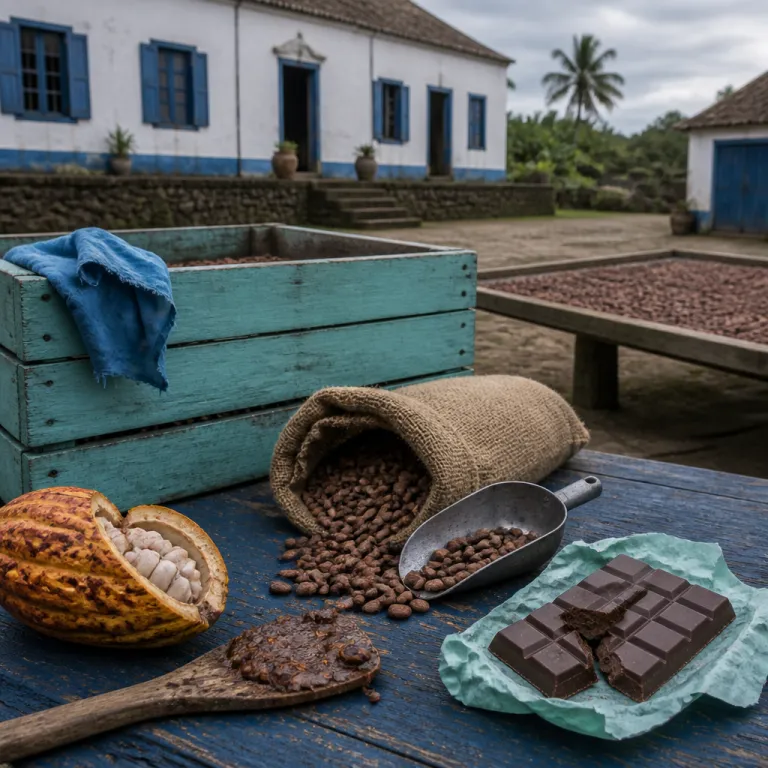
Why a diogo vaz chocolate plantation visit belongs on a luxury itinerary
A diogo vaz chocolate plantation visit is not a side trip, it is the spine of a serious São Tomé itinerary. On this compact island in the Gulf of Guinea, where the twin islands of São Tomé and Príncipe still feel pre tourism, Diogo Vaz stands out as a working cocoa plantation that now carries UNESCO World Heritage status alongside five other historic roças. For travelers booking premium stays on São Tomé island or Príncipe island, weaving a day here between the pool and the bar chocolate tasting turns a pleasant beach holiday into a field to bar education in cocoa production.
The estate sits on the west coast of São Tomé, reachable in a few hours by road excursion from most luxury hotels in São Tomé town or from the quieter Monte Café and Monte Forte areas. Drivers know the route past other roças, so you can fold the plantation tour into a wider loop that also brushes the forested slopes leading toward Parque Natural Ôbo and its trails. If you are already planning a hike with a specialist guide, use resources such as this detailed guide to Ôbo National Park on foot to balance your hours between jungle and cacao.
Unlike a quick coffee chocolate tasting in a city cafe, a diogo vaz chocolate plantation visit lets you see how cocoa transformation happens at a single scale, from pod to moulded chocolate bars. You walk through the same alleys where workers harvest cacao pods, then follow them to fermentation boxes, drying terraces and finally the small factory where vaz chocolate becomes finished chocolate products. For guests used to polished tastings at Claudio Corallo in São Tomé town, the rawness of this cocoa plantation and the heritage architecture of the roça Diogo Vaz add a different layer of context to every sip of coffee or bite of ice cream later at your hotel.
From pod to terrace: the agritourism sequence at roça diogo vaz
The heart of any diogo vaz chocolate plantation visit is the slow walk from the cacao trees to the drying yard, a sequence that luxury travelers rarely see compressed into one estate. You start under the shade of old cocoa trees, where guides explain how São Tomé’s volcanic soil and the humid air of the islands shape the flavour of both cocoa and coffee grown on the same plots. Pods are cut by hand, split open on simple wooden benches and the fresh cacao beans slide into view, a tactile reminder that every bar chocolate begins as sticky pulp.
From there, the plantation tour moves to the fermentation boxes, stacked in rows beside the main house of the roça, where the transformation processes begin in earnest. Over several days, workers turn the beans, monitoring temperature and acidity in a way that feels almost like winemaking, and this is where cocoa transformation defines the future character of vaz chocolate. When you stand on the drying terraces, watching beans spread in thin layers and raked through the hours of sunlight, you understand why single estate cocoa production on São Tomé island is so different from anonymous bulk cocoa shipped from larger scale farms elsewhere.
Many guests pair their diogo vaz chocolate plantation visit with a simple lunch on site, turning the experience into a roça to table interlude between hotel breakfasts and tasting menus. Expect grilled fish, local vegetables and sometimes a rustic dessert that uses grated chocolate or even a scoop of house ice cream, served in the shade of colonial era buildings that once managed the whole tome principe cocoa economy. For a deeper dive into how these ingredients reappear in refined hotel kitchens, read this piece on São Toméan ingredients your hotel dining room probably skips before you book, then ask your chef how they work with cacao, coffee and tropical fruit from roças like Diogo Vaz.
UNESCO heritage, working farm: what World Heritage status changes on the ground
Diogo Vaz is now one of six historic roças on São Tomé and Príncipe inscribed as a UNESCO World Heritage site, and that label matters for travelers choosing where to stay and which plantation to visit. World Heritage status recognises both the architecture and the agricultural landscape, so your diogo vaz chocolate plantation visit is not only about cocoa but also about understanding how these roças shaped the islands’ social and economic fabric. Walking past the main casa grande, the workers’ quarters and the old warehouses, you see how a single plantation once controlled land that stretched from the forested monte down to the sea.
UNESCO recognition also brings obligations, which subtly shape the plantation tour you experience today. Restoration work must respect original materials and layouts, so when you step into the old drying rooms or the current chocolate factory, you are seeing cocoa transformation layered over structures built for a different era of cocoa plantation labour. Guides trained to speak in English and Portuguese now weave heritage into their explanations of cocoa production, making the visit accessible to international guests who might otherwise only hear about São Tomé’s past in a hotel lounge.
For luxury travelers, this mix of conservation and production is part of the appeal, especially if you are splitting time between São Tomé and Príncipe and want more than just beaches on each island. You might spend one evening in Santo António on Príncipe island, using resources like this guide to eating in Santo António beyond the hotel kitchen, then fly back to São Tomé for a day that anchors your tome principe circuit in the reality of a working roça. A diogo vaz chocolate plantation visit becomes the narrative hinge between the islands, connecting the coffee you sip at a waterfront cafe in São Tomé town with the chocolate bars you bring home from roca Diogo Vaz.
How Diogo Vaz compares to Claudio Corallo and other tastings on São Tomé
Most high end travelers arrive on São Tomé already briefed on Claudio Corallo, the island’s best known name in fine chocolate. A tasting there, usually in a compact space in São Tomé town, focuses on finished chocolate products, from intense bar chocolate to coffee chocolate pairings that highlight the marriage of beans from the same volcanic island. It is polished, controlled and ideal if you only have a few hours between meetings or flights.
A diogo vaz chocolate plantation visit, by contrast, stretches across an entire day and an entire landscape, which is why it pairs so well with a relaxed stay at a coastal hotel or a restored roça turned into a characterful guesthouse. Instead of moving from plate to plate in a city cafe, you move from tree to fermentation box to drying terrace, watching cocoa transformation unfold in real time and at a human scale. You still end with a tasting of vaz chocolate, including single origin chocolate bars and sometimes limited edition chocolate products, but the flavours now carry the memory of mud on your shoes and the smell of fermenting cacao.
For some travelers, the ideal approach is not Claudio Corallo versus Diogo Vaz, but both experiences on the same trip, framed differently. Start with the urban tasting to calibrate your palate, then book a road excursion out to the cocoa plantation at Diogo Vaz to see how those flavours are built from the ground up on São Tomé island. When you later sit in your hotel bar on tome island or on Príncipe, sipping coffee and sharing ice cream made with local cacao, you will be able to trace each note back to either a polished tasting room or a sun baked drying terrace.
Planning your diogo vaz chocolate plantation visit from a luxury hotel base
From most premium hotels in São Tomé town, a diogo vaz chocolate plantation visit is a comfortable day trip that fits neatly between longer adventures and slow pool days. The drive west across São Tomé island usually takes a couple of hours each way, depending on road conditions and how often you stop to photograph other roças or coastal viewpoints. Many properties can arrange a private road excursion with an English speaking driver, so you can leave after breakfast and return before dinner without watching the hours too closely.
If you are staying at a restored roça inland, perhaps near Monte Café or on an estate that still grows coffee and cacao, the logistics become even easier. Your host can often coordinate directly with the team at roça Diogo Vaz, aligning your plantation tour with the most interesting moments of the day, such as when workers are loading fermentation boxes or spreading beans on the terraces. Ask whether you can combine the visit with a stop at another cocoa plantation or a short walk into the forested monte, especially if you are curious about how shade trees and biodiversity support cocoa production at a sustainable scale.
Food wise, consider how the diogo vaz chocolate plantation visit fits into your wider culinary journey across São Tomé and Príncipe. Some travelers prefer to eat a light lunch at the plantation cafe, then return to their hotel for a more elaborate dinner that might feature coffee chocolate desserts or a curated tasting of local chocolate bars. Others request a picnic from their hotel kitchen, pairing simple grilled fish and fruit with a bar of vaz chocolate eaten on a viewpoint above the sea, a quiet moment that links the islands, the roças and the long transformation processes behind every square of cacao.
From São Tomé to Príncipe: building a roça to table itinerary
Designing a luxury itinerary around a diogo vaz chocolate plantation visit means thinking in terms of roça to table, not just farm to table. Start with a few nights on São Tomé island, using a comfortable hotel in the capital as your base for both urban tastings and the full day plantation tour out to roça Diogo Vaz. Then shift to Príncipe island, where eco lodges and small coastal properties translate the same cocoa and coffee heritage into quieter, more contemplative stays.
On São Tomé, your days might alternate between a guided walk in Ôbo National Park, a coffee tasting at Monte Café and the immersive cocoa plantation experience at Diogo Vaz, each one revealing a different facet of the tome principe landscape. On Príncipe, the focus tilts toward empty beaches, boat trips and long lunches where chocolate products appear as subtle accents, perhaps a drizzle of melted bar chocolate over tropical fruit or a scoop of cacao nib ice cream after grilled fish. By the time you fly back to the mainland, you will have traced a line from the first visit cocoa moment under the trees to the final coffee on a hotel terrace, the entire journey anchored by that single day on the UNESCO listed roça.
For independent travelers who value both comfort and context, this is where São Tomé and Príncipe excels, offering a rare combination of heritage, flavour and space. You are not just ticking off a diogo vaz chocolate plantation visit as another tour, you are using it to understand how the islands’ roças, cafes and hotels all sit on the same historical and agricultural foundation. That awareness lingers long after the last chocolate bars are gone, shaping how you read labels, choose coffee and talk about cocoa transformation wherever you travel next.
FAQ
How long does a diogo vaz chocolate plantation visit usually take ?
Most guests should plan for a full day, including the drive from São Tomé town to the plantation and back. The guided plantation tour itself typically lasts a few hours, covering the cocoa fields, fermentation boxes, drying terraces and the small factory where vaz chocolate is made. Allow extra time for a relaxed tasting, a simple lunch and unhurried photography around the historic roça buildings.
Can I visit Diogo Vaz independently or should I book through my hotel ?
Independent travelers can reach Diogo Vaz by renting a car or arranging a local driver, but road conditions and signage can be challenging for first time visitors. Booking through a luxury hotel or guesthouse usually ensures a reliable vehicle, an English speaking driver and coordinated timing with the plantation team. This approach also makes it easier to combine the visit with other stops, such as Monte Café or coastal viewpoints, without worrying about logistics.
Is the diogo vaz chocolate plantation visit suitable for children ?
Families with children who enjoy food and nature often find the plantation tour engaging, especially the hands on moments like seeing cacao pods opened or beans spread on the drying terraces. Paths can be uneven and the sun strong, so younger children may tire quickly and will need hats, water and sunscreen. If you are staying at a high end property, ask the concierge whether they recommend the visit for your children’s ages and whether a shorter version of the tour is possible.
Do I need to book the plantation tour in advance ?
Advance booking is strongly recommended, particularly during peak travel periods when more guests are staying on São Tomé island and Príncipe. Reserving ahead allows the team at roça Diogo Vaz to plan for your arrival, ensure an English speaking guide is available and coordinate any special requests such as a plantation lunch. Your hotel can usually handle the arrangements and confirm the best hours to visit cocoa fields and processing areas.
What should I wear and bring for a diogo vaz chocolate plantation visit ?
Wear light, breathable clothing, closed shoes suitable for walking on uneven ground and a hat to protect from the equatorial sun. Bring water, sunscreen, insect repellent and a small bag for any chocolate bars or other chocolate products you buy at the end of the tour. Many travelers also carry a camera or phone with plenty of storage, as the combination of historic roça architecture, cocoa trees and coastal views makes this one of the most photogenic experiences on São Tomé and Príncipe.