The real meaning of “sao tome traditional food local cuisine” for luxury travelers
Most luxury travelers arrive in São Tomé expecting one signature plate and a few grilled fish dishes. The phrase sao tome traditional food local cuisine usually gets reduced to calulu on a white tablecloth, a token nod to an island nation with far deeper flavors. To understand how the cuisine of São Tomé and Príncipe really works, you need to step beyond the hotel dining room and into the markets where local ingredients define daily life.
On São Tomé Island, the capital city’s markets open early with stalls stacked high with banana da terra, breadfruit and jaca fruit. Here, local farmers who act as quiet producers of the islands’ identity bring dozens of varieties of indigenous crops, from pimenta peppers to leafy greens used in traditional dishes that rarely appear on resort menus. Local agricultural officers and food historians interviewed by São Tomé–based guides in recent years describe a simple yet ambitious goal for current culinary projects: preserve culinary heritage, support local agriculture and enhance appreciation of São Toméan flavors among visitors who usually only see imported products and standard Portuguese dishes.
When you ask where to taste authentic São Toméan cuisine, the most honest answer is still the same: local markets and traditional restaurants, not the buffet line. A Culinary Exploration initiative built around market visits, cooking demonstrations and farm to table dining has been working with local farmers and culinary schools to revive traditional ingredients that modern cuisine often overlooks. As one São Tomé city chef explained during a market tour, “If you don’t start with the women selling greens and palm oil here, you will never understand our food.” Within this context, cuisine São becomes more than a label on a hotel menu; it is a living African Portuguese fusion shaped by the Gulf of Guinea, by palm oil and by cocoa coffee plantations that once made São Tomé one of the cacao capitals of the world.
From calulu to izaquente: what hotel menus miss about São Toméan dishes
Calulu, the slow prepared stew of fish meat, dried fish, leafy greens and palm oil, is the one dish every guide mentions and every hotel kitchen can execute. It is a cornerstone of sao tome traditional food local cuisine, yet it is only one chapter in a much broader story of African cuisine meeting Portuguese technique. When you stay in a high end property on São Tomé or Príncipe, you will often see calulu alongside grilled fish seafood and a chocolate dessert, but you will rarely see the dishes that locals crave on a Sunday.
Ask a São Toméan chef about comfort food and they will talk about izaquente (sometimes written isaquente), a rich palm oil stew where local fish or sometimes meat is simmered with okra, pimenta and vegetables until the sauce turns deep amber. Angolá or angolá de feijão, a dense bean preparation sometimes served with coconut milk and banana, anchors many traditional dishes yet almost never appears in hotel restaurants that lean toward safer Portuguese dishes and international plates. These recipes belong to a broader African Portuguese tradition in the Gulf of Guinea, where African techniques of smoking dried fish and layering palm flavors met European preservation methods and port wine culture.
Even grilled fish on the coast tells a different story when it is prepared by traditional chefs rather than by a resort grill station. On São Tomé’s black sand beaches, cooks marinate local fish seafood with lime, garlic, herbs and crushed local pimenta before grilling it over wood, then serve it with banana da terra and a spoon of spicy palm oil. One beachside cook near Praia das Conchas described her method simply: “Fish must taste of smoke, sea and palm.” To taste this side of cuisine São, you need to leave the hotel and follow the smoke toward small beach shacks, where the menu is written in the catch of the day rather than in polished English.
Cocoa, chocolate and the plantation table: eating on former roças
The story of sao tome traditional food local cuisine cannot be separated from cocoa and coffee, because these islands once led the world in cacao production. On both São Tomé and Príncipe, former roças — colonial era plantations — now host guesthouses and premium lodges where cocoa, coffee and palm products still shape what appears on the plate. When you book a luxury stay in a restored roça, you are not just choosing a room; you are choosing to sleep and eat inside the agricultural engine that created São Toméan cuisine.
At properties near Monte Café or in the north of São Tomé, breakfast might feature local cocoa coffee alongside fresh banana, breadfruit fritters and homemade chocolate spreads. Lunch could bring grilled fish meat marinated in citrus and herbs, served with roasted breadfruit and vegetables grown a few metres from your table, a direct expression of local ingredients that many city hotels still overlook. For travelers interested in the full bean to bar story, a visit to the legendary chocolate maker often referred to locally as the “surprise of São Tomé” — explored in depth in this guide to São Tomé’s most surprising chocolate factory experience — shows how cocoa products move from plantation to tasting room without leaving the islands.
On Príncipe, where the UNESCO biosphere reserve status protects both forest and coastline, some high end lodges have started to integrate more Principe cuisine into their tasting menus. Expect chocolate desserts that use high percentage island cocoa, sometimes paired with port wine or tropical fruits, and savoury dishes where cocoa nibs add texture to fish seafood or meat. One roça kitchen on Príncipe, for example, serves a slow cooked goat dish finished with toasted cocoa nibs and local herbs. When these roça kitchens fully embrace African Portuguese heritage, they create a cuisine São that feels rooted in the island nation rather than imported from Lisbon, and that is where luxury dining becomes genuinely local.
Palm, banana and breadfruit: the ingredients behind the menus
Look past the plated fish dishes in your hotel restaurant and you will notice a recurring trio in São Toméan cooking: palm, banana and breadfruit. Palm oil, often bright red and intensely aromatic, is the base of many traditional dishes such as calulu and izaquente, yet it is frequently toned down or replaced in hotel kitchens to suit international palates. Banana da terra and breadfruit, meanwhile, stand in for potatoes as the starch of choice, roasted, boiled or fried and served alongside fish meat or meat stews.
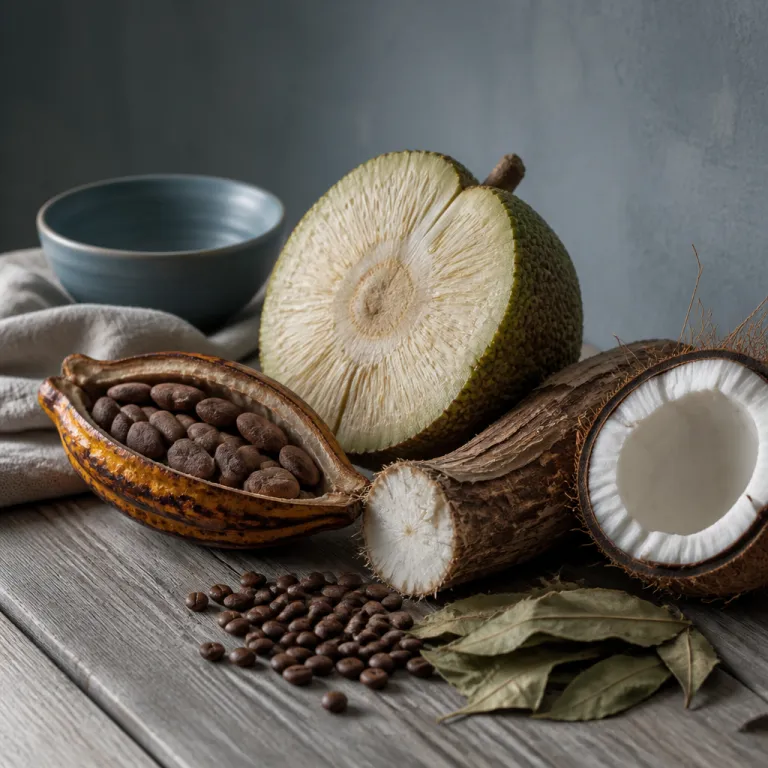
In the markets of São Tomé city, local farmers stack banana varieties in careful pyramids, from small sweet fruits to the larger cooking bananas that anchor so much of the islands’ home style cuisine. Breadfruit, called fruta pão, appears as large green orbs that vendors slice open to show the pale flesh, destined to be roasted over coals or simmered in coconut milk. A vendor in the main market summed it up to a visiting group: “If you eat banana and fruta pão every day, you are eating like a São Toméan.” These local ingredients rarely appear by name on hotel menus, yet they are central to the way São Toméans eat at home, and they are exactly what culinary tourism projects aim to highlight through market visits and cooking demonstrations.
Banana also shapes the island’s informal snacks, from fried banana chips sold near beaches to simple sandwiches made with sausage and banana that echo the more urban sausage sandwich culture of Portuguese cafés. While you may not see the phrase “São Toméan sausage sandwich” printed on a tasting menu, you will see the influence of this pairing in brunch plates that combine cured meats, banana and bread. For travelers who care about the full spectrum of cuisine São, asking your hotel to arrange a guided market visit with a traditional chef is the most direct way to connect what you see in the stalls with what appears on your plate later that evening.
Where hotel dining stops: markets, street food and roça kitchens
Luxury properties in São Tomé and Príncipe have improved their food programs, yet many still stop short of the full experience of local gastronomy. Room service might offer grilled fish seafood, a chocolate dessert and a safe Portuguese inspired pasta, but it will rarely send you out to the markets where the real decisions about local cuisine are made each morning. That is why serious food travelers build time into their itineraries for early market visits, ideally with a guide who knows both hotel kitchens and street stalls.
At the main market in São Tomé city, you will see local fish laid out on ice, dried fish hanging from hooks and baskets of clams destined for simple clams in port wine sauce that locals call clams in Port. Nearby, women sell palm oil in recycled bottles, coconut milk in plastic bags and piles of spices that define African cuisine in this corner of the Gulf of Guinea. These are the raw materials that traditional chefs turn into izaquente, angolá and other traditional dishes, and they are also the products that farm to table roça kitchens are beginning to showcase for guests who ask the right questions.
Street food fills the gaps between formal meals, from grilled fish skewers near the port to improvised sausage sandwich stalls that appear around football matches. Roça dining rooms, often set in restored plantation houses on both São Tomé and Príncipe, offer a middle ground where local ingredients meet a more polished service style, ideal for travelers who want authenticity without sacrificing comfort. For a curated overview of how premium properties are integrating these experiences, the guide to premium dining experiences through luxury hotel booking on mysao-tomestay.com is a useful starting point before you refine your own plans.
How to book luxury stays that honour São Toméan cuisine
Choosing a hotel in São Tomé and Príncipe as a food focused traveler means looking beyond the pool and the sea view. You want properties that treat sao tome traditional food local cuisine as a central part of the stay, not as a themed night once a week. That usually means smaller roça conversions and high end lodges that work closely with local farmers and traditional chefs rather than relying on imported products.
When you evaluate a property, ask specific questions about how they use local ingredients such as palm oil, banana da terra, breadfruit, dried fish and coconut milk in their menus. A serious kitchen will be able to talk about their relationships with local farmers, their use of fish seafood from nearby waters and their approach to African Portuguese recipes like calulu, izaquente and angolá. Some will even offer market tours, cooking demonstrations or tasting menus that trace cocoa coffee and chocolate from plantation to plate, giving you a structured way to understand how cuisine São has evolved on these islands.
For solo explorers, the sweet spot often lies in properties that can arrange both guided experiences and unstructured time in town, so you can balance hotel dining with street food and market stalls. Look for hotels that mention Principe cuisine or São Toméan specialties in their descriptions, and do not hesitate to email ahead with detailed questions about traditional dishes and local fish options. By booking with this level of intention, you turn your stay in this island nation into a genuine culinary journey rather than a generic beach holiday with a token calulu night.
Reading the plate: what your meal says about São Tomé and Príncipe
Every plate you are served in São Tomé and Príncipe tells you something about the islands’ history, economy and identity. A grilled fish dish with imported vegetables and a generic chocolate dessert suggests a kitchen still oriented toward international expectations rather than toward sao tome traditional food local cuisine. A menu that names calulu, izaquente, angolá, breadfruit, banana da terra and palm oil, by contrast, signals a commitment to the African Portuguese heritage that makes these islands unique in the Gulf of Guinea.
Pay attention to how often local ingredients appear and how confidently the staff talk about them when you ask questions. If a server can explain where the fish seafood was caught, which roça supplied the cocoa coffee and how the dried fish in your stew was prepared, you are in a place that respects São Toméan food culture. When you hear them reference partnerships with local farmers, culinary schools or market vendors, you are seeing the impact of ongoing Culinary Exploration projects that aim to highlight native produce and promote culinary diversity year round.
Two simple questions can reshape your entire experience as a luxury guest in this island nation: what percentage of your menu is based on local ingredients, and which traditional dishes do your chefs most enjoy cooking for themselves. The answers will tell you whether you are eating in a dining room that merely gestures toward São Tomé and Príncipe, or in one that truly belongs to these islands. In a destination where “What are traditional São Toméan ingredients?” and “Where can I taste authentic São Toméan cuisine?” are still the most common questions from visitors, your plate becomes both a map and a manifesto.
Key figures that shape São Toméan culinary travel
- Local agricultural authorities and producer cooperatives report that farmers cultivate dozens of varieties of indigenous crops across São Tomé Island, a diversity that underpins many traditional dishes yet remains underrepresented on hotel menus.
- Market operations in São Tomé city run daily throughout the year, with seasonal harvest peaks that align with breadfruit, banana and cocoa cycles, giving travelers year round access to fresh local ingredients.
- Culinary exploration programs on the islands focus on farm to table dining and market based cooking demonstrations, directly linking local farmers with traditional chefs and visitors interested in authentic food experiences.
- Projects designed to revive traditional ingredients explicitly aim to preserve culinary heritage and support local agriculture, reinforcing the role of food tourism as a tool for cultural and economic resilience.
FAQ about São Toméan cuisine and luxury hotel dining
What are traditional São Toméan ingredients I should look for on menus ?
Traditional São Toméan ingredients include native fruits, vegetables and spices such as banana da terra, breadfruit, jaca, local pimenta peppers, palm oil and leafy greens used in stews like calulu and izaquente. You will also see cocoa, coffee, coconut milk and various forms of dried fish in many home style recipes. When hotel menus name these ingredients explicitly, it is usually a sign that the kitchen is engaging seriously with local cuisine.
Where can I taste authentic São Toméan cuisine beyond my hotel ?
The most reliable places to taste authentic São Toméan cuisine are local markets and traditional restaurants in São Tomé city and in villages across both islands. Markets offer cooked food stalls alongside fresh produce, while small family run eateries serve daily specials based on what is available from local farmers and fishers. Roça dining rooms on former plantations provide another excellent option, combining farm to table produce with a more refined service style.
How do market visits enhance a luxury stay in São Tomé and Príncipe ?
Market visits give you direct contact with local farmers and vendors, allowing you to see and taste ingredients that rarely appear in hotel dining rooms. Many culinary exploration programs pair these visits with cooking demonstrations, so you can watch traditional chefs transform palm oil, dried fish and seasonal vegetables into full dishes. This context makes every subsequent restaurant meal more meaningful, because you understand where the flavors come from.
Are there farm to table experiences available through premium hotels ?
Several premium properties, especially those based in restored roças, now offer farm to table experiences that highlight local ingredients grown on or near the estate. These may include garden tours, cocoa and coffee tastings, or set menus built around seasonal produce and locally caught fish. When booking, ask specifically about farm to table dining and any partnerships the hotel has with nearby farmers or culinary schools.
Why do some hotel restaurants offer mostly Portuguese or international dishes ?
Many hotel restaurants default to Portuguese or broadly international dishes because they perceive them as safer choices for guests unfamiliar with African cuisine. This can lead to underrepresentation of São Toméan recipes that rely on strong palm oil flavors, dried fish or less familiar vegetables. Travelers who value authenticity can counter this by requesting traditional dishes in advance and by choosing properties that publicly commit to showcasing local cuisine.