Why the cacao road excursion in São Tomé works for families
The cacao road excursion São Tomé family experience sounds niche at first. Yet on São Tomé Island, where the rhythm is slow and the beaches are often empty, this working plantation tour becomes one of the best ways to give older children a structured half day that still feels like real travel in Africa. For premium families staying in luxury hotels on São Tomé or on nearby Príncipe, this guided cacao plantation visit neatly balances education, sensory drama and the quiet thrill of being on a still authentic cacao plantation.
Children expect a beach and a pool when they arrive on São Tomé, but they rarely expect the smell of fermenting cacao or the sight of beans drying on vast tree table style racks. That contrast is exactly why a cacao road tour earns its place alongside a boat trip to Ilhéu das Rolas or a walking tour in the capital. Parents will appreciate that this is not a staged show; it is a window into cacao production that still underpins a significant share of the local economy in São Tomé and Príncipe.
The tour usually runs as a half day to a long day, with transportation provided from most premium hotels across São Tomé. You travel inland from the coast, leaving the beach behind and entering a corridor of dense green where former colonial roças still anchor working cacao plantations. Along the way, a local tour guide introduces the family to cocoa farmers, who act as hosts and patiently explain how cacao plantations in São Tomé and on Príncipe feed a growing demand for organic chocolate across Africa and beyond. Typical drive times from the main hotel zone near São Tomé city to plantations such as Roça Monte Café or Roça Agostinho Neto are often quoted as 35 to 60 minutes, depending on road conditions; always confirm current timings with your operator.
How the working-plantation rhythm keeps older kids engaged
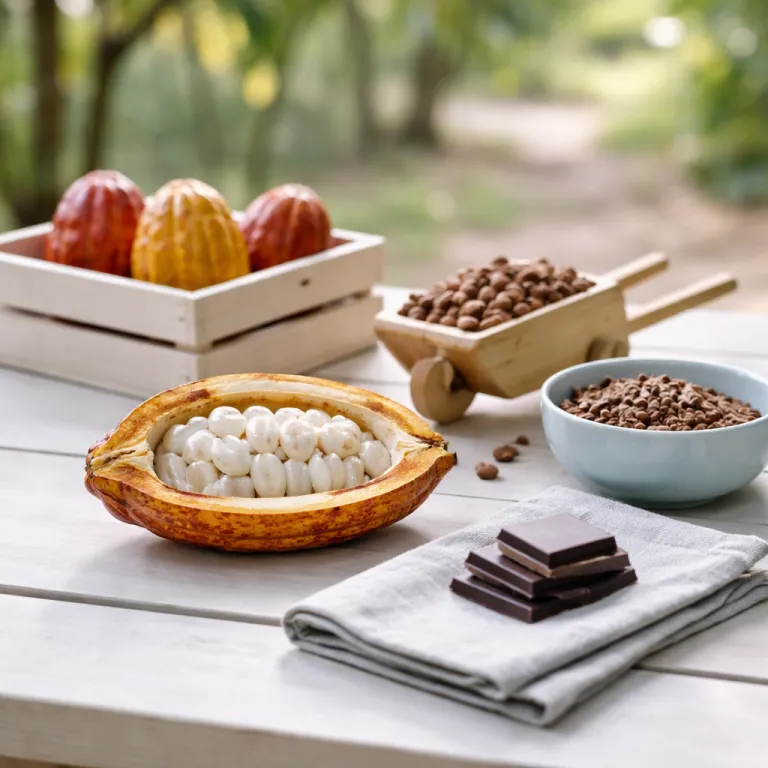
On paper, “watching cocoa be processed” sounds like a hard sell for children. In reality, this family cacao plantation tour is full of sensory hooks, from the sharp, almost tropical-fruit smell of fermentation to the crackle of beans being turned during chocolate production. The moment your tour guide opens a cacao pod and lets each child taste São Tomé’s fresh pulp, the plantation visit stops being abstract and becomes a story they will retell long after leaving the island.
The age range that works best is roughly seven to mid teens, because younger children often lose patience during the more technical explanations of cacao production and chocolate production. Older kids, by contrast, tend to lean in when cocoa farmers show how fermentation, drying and roasting shape the best chocolate they have ever tasted, especially when they can compare different batches from several plantations on São Tomé. Most operators set a minimum age of around six for group departures, though private tours can be more flexible if you are happy to shorten the walking sections. For parents used to resort kids’ clubs, this is a different kind of family time; it is slow, attentive and anchored in a real working day on a cacao plantation.
Luxury hotels on São Tomé and on Príncipe usually book this experience through trusted local operators, and that matters for families. When you arrange the cacao road excursion through your concierge, you typically pay a little more than a direct booking, but you gain vetted drivers, clear communication and timing that fits around naps or early dinners. As a benchmark only, some recent sample quotes for a half-day private tour for a family of four fall in the region of €120–€180 including transport, guide and tastings, while shared departures can be cheaper but less flexible on timing; always check current prices with your hotel or operator.
Timing the excursion around heat, naps and island logistics
São Tomé sits almost on the equator, and by late morning the heat on a cacao plantation can feel heavy for children. That is why the cacao road excursion São Tomé family experience works best as a morning departure, when the air is softer and the light over the plantations is still gentle. Leaving early also means you return to your hotel in time for an afternoon swim at the beach or a rest in air conditioned comfort.
Most structured cacao road itineraries on São Tomé Island run four to five hours, even though some educational cocoa tours in the country can stretch to seven or more. For families, the sweet spot is a compact half day that includes a walking tour of at least one working cacao plantation, a clear explanation of cacao production and a tasting session that links beans to finished chocolate. If you are combining the mainland with a stay on Príncipe, you can mirror this rhythm there with shorter plantation visits on Príncipe Island, leaving longer days for boat trips or for a guided hike in the forest.
Families who like to plan their time around energy levels often pair the cacao road excursion with a gentle afternoon activity. One smart option is to schedule the plantation tour on a different day from more demanding hikes such as the trails in Ôbo National Park, which are covered in this detailed guide to walking in Ôbo National Park with the right guides and timing. Spacing activities this way keeps the overall travel experience balanced, especially when you are moving between São Tomé and Príncipe by boat or plane and trying to protect younger travelers from fatigue.
From fermentation rooms to Roca São João: structuring a full family day
The heart of the cacao road excursion São Tomé family experience is the sequence of working spaces you move through. Children step from the shade of cacao trees into fermentation rooms, where the smell is intense enough to make them laugh, then out again to the open air where beans lie on raised platforms that resemble a long tree table. At each stage, cocoa farmers show how these simple spaces on São Tomé Island and on the quieter Príncipe corridor translate into the best chocolate bars sold in Europe and across Africa.
Hands on moments keep the pace lively, whether it is turning beans during drying, tasting São Tomé’s different cacao varieties or comparing the texture of nibs from several cacao plantations. Parents who like context can quietly read up on how agriculture still contributes a significant share of national income in São Tomé and Príncipe, then explain to older children why their ticket supports local plantations and local ingredients. The official guidance for visitors is clear on three basics that matter on any plantation tour with kids: “Wear comfortable clothing. Bring sunscreen. Stay hydrated.”
To turn the excursion into a full but not exhausting day, many luxury concierges suggest ending with lunch at Roça São João, where local cuisine is reimagined with finesse. Here, chefs use local ingredients from plantations on São Tomé and from small producers on Príncipe Island to create tasting menus that feel both refined and relaxed for a family. It is also an ideal setting to talk about what the children have seen, from the working dogs on the plantation to the contrast between the quiet beach near your hotel and the busy courtyards of cacao production inland.
What to wear, what to bring and how to book well
Working plantations are not manicured resorts, and that is part of their appeal. For the cacao road excursion São Tomé family outing, closed shoes are essential, because paths between cacao trees can be muddy and uneven, especially after rain on São Tomé. Lightweight long sleeves, a hat and high factor sunscreen help children cope with the equatorial sun, while a small daypack lets you carry water, snacks and a change of clothes if a beach stop is planned after the plantation tour.
Most premium hotels on São Tomé and on Príncipe Island can arrange the cacao road excursion through trusted partners who work closely with local plantations and chocolate boutiques. Booking through your hotel usually means a slightly higher price than a direct arrangement with a local operator, but the trade off is vetted vehicles, clear communication in English and timing that respects nap schedules or early dinners. For frequent travelers interested in premium hotel loyalty advantages, it is worth reading this guide to maximizing your stay with São Tomé premium hotel loyalty programs, then using those benefits to secure private or semi private plantation tours that suit your children’s pace.
To make the day run smoothly, keep a simple checklist:
- Printed or digital booking confirmation with your guide’s phone number
- Hotel contact details and copies of passports
- Cash in euros for small purchases at plantation shops
- Reusable water bottles and light snacks
- Insect repellent and a light rain jacket in the wet season
- Compact camera or phone, kept secure in a small daypack
Some itineraries combine the mainland cacao road with a later boat transfer to Ilhéu das Rolas or even onward travel to Príncipe, but with children it is usually wiser to separate these experiences. Keep one day for the cacao plantations and chocolate production, another for the beach or for a gentle coastal walking tour that might include a stop at the natural pools of Ôquê Pipi. In São Tomé and Príncipe, where time moves slowly and the best experiences are rarely rushed, that spacing lets each part of the journey breathe and gives your family room to absorb what they have seen.
FAQ
Is the cacao road excursion suitable for children and what ages work best?
The cacao road excursion São Tomé family experience is suitable for children, but it works best from about seven years old to teenagers. Younger children often enjoy the tasting and the walk among cacao trees but may lose interest during longer explanations of cacao production. Older children usually stay engaged throughout, especially when guides involve them in simple tasks like turning beans or comparing different chocolates.
How long does the cacao road excursion usually take for a family?
Most family friendly versions of the cacao road excursion on São Tomé Island last around four to five hours door to door. That duration includes transport from your hotel, a guided walking tour of at least one working cacao plantation and a tasting session. Some operators offer longer full day itineraries, but with children a compact half day tends to be more comfortable in the equatorial heat.
Should we book the excursion through our hotel or directly with a local operator?
Booking through a luxury or premium hotel on São Tomé or Príncipe Island usually costs a little more than arranging the tour directly, but it brings clear advantages for families. Hotels tend to work with established guides and drivers, which improves safety, communication and timing. Direct bookings with local operators can be excellent value, yet they require more advance research and flexibility if schedules change.
What should we wear and bring for a working cacao plantation tour with kids?
Closed walking shoes, lightweight long sleeves, hats and strong sunscreen are essential for both adults and children on a working plantation. You should also bring enough water for the whole family, insect repellent and a small snack in case lunch is scheduled late. A compact camera or phone is useful, but it is wise to keep valuables minimal, as paths can be muddy and hands quickly become sticky during tastings.
Are meals included in the cacao road excursion or do we plan our own lunch?
Meal arrangements vary by operator, so you should always confirm details when booking. Some cacao road excursion packages include a simple lunch at or near a plantation, while others end at a restaurant such as Roça São João where you pay separately. If meals are not included, plan a substantial breakfast and carry snacks for children, then enjoy a relaxed late lunch back at your hotel or at a recommended local restaurant.