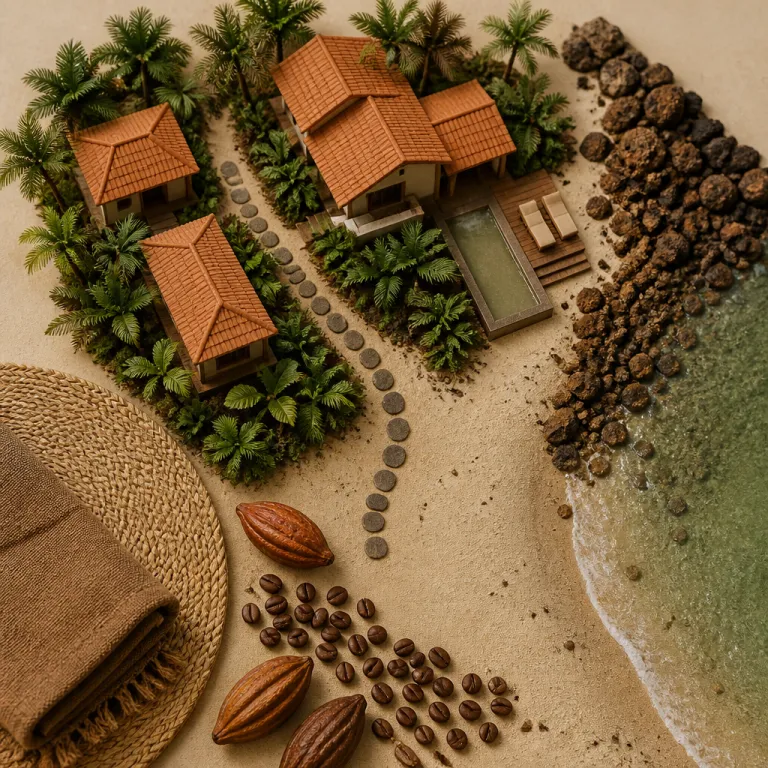
Why São Tomé and Príncipe Is the Quiet Luxury Heart of the Gulf of Guinea
Why São Tomé and Príncipe is the quiet luxury heart of the Gulf of Guinea
São Tomé and Príncipe sits in the Gulf of Guinea as a small island country with a rare sense of calm. This former Portuguese territory in Central Africa offers refined hotels where the rainforest meets the ocean in a way that feels both original and deeply rooted in African history. Travellers who choose São Tomé and Príncipe often seek islands that feel intimate yet sophisticated, and they find that balance on both São Tomé Island and Príncipe Island.
The Democratic Republic of São Tomé and Príncipe is one of the smallest African countries, yet its coastline and volcanic peaks create a dramatic setting for premium resorts. The capital city of São Tomé lies close to the equator, and the short transfer from São Tomé International Airport (TMS) to the main luxury properties keeps travel time pleasantly brief. Many guests arrive from West Africa, Portugal or the United States, combining work trips in larger African countries with a few quiet days on an island retreat.
History shapes the atmosphere here as much as the scenery, and that matters when you book a high end stay. The islands were central to plantation economies run by Portugal from the late fifteenth century, and the agricultural landscapes still visible today give context to every coastal drive. When you choose a hotel on São Tomé or on Príncipe Island, you are also choosing how closely you want to engage with this layered history of Africa, from restored plantation houses to contemporary African art in city hotels.
Key island regions for luxury stays
On São Tomé Island, most premium hotels cluster along the east coast near the city and in secluded bays south of the capital. This makes it easy to combine a refined resort with day trips into São Tomé city for markets, colonial architecture and waterfront cafés where Portuguese is spoken alongside local creoles. On Príncipe Island, the focus shifts to low density eco luxury, with a handful of high end lodges spread along wild beaches and forested headlands.
Travellers who want a classic island escape often split their time between the main island and the smaller Príncipe, using short domestic flights to move between them. This combination lets you experience both the more social rhythm of São Tomé and the deep quiet of Príncipe, while keeping logistics simple. When planning São Tomé and Príncipe itineraries, consider at least three nights on each island to avoid spending too much time in transit.
For those interested in the wider region, the location in West Africa makes São Tomé and Príncipe a natural extension to trips in the Gulf of Guinea. Business travellers based in other African countries often appreciate that São Tomé International Airport receives regional flights that connect efficiently through hubs in Africa and Portugal. Once you land, the shift from busy African cities to slow island roads lined with palms feels immediate and restorative.
Príncipe Island escapes for travellers who value privacy and nature
Príncipe Island is the quieter half of São Tomé and Príncipe, and it appeals strongly to guests who value privacy. The island lies north east of São Tomé in the Gulf of Guinea, and its compact size allows luxury hotels to sit close to both rainforest and sea. When you stay here, you feel the African forest at your back and the Atlantic in front, with almost no other islands on the horizon.
The small city of Santo António on Príncipe Island serves as a gentle base, but most premium properties sit outside the town in former plantation areas. These plantations once formed part of a powerful agricultural system tied to cocoa exports from West Africa to Portugal and the United States. Today, several of these plantation sites have been reimagined as low impact retreats where original buildings from the colonial period are preserved as part of the guest experience.
Beach lovers choosing São Tomé and Príncipe for an island escape often focus their search on Príncipe’s coves. The golden arcs of Praia Banana and Praia Boi are frequently highlighted as some of the most photogenic beaches in Africa, and they pair well with guided walks into the forested interior. For a deeper look at why these shores feel so different from more crowded destinations, read this detailed guide to Príncipe’s signature beaches and their quiet character.
How to choose the right Príncipe hotel
When comparing hotels on Príncipe, start with how close you want to be to Santo António. Some travellers prefer a short drive to the city for restaurants and small shops, while others want to feel entirely wrapped in nature on a remote stretch of coastline. Both options exist, but the most exclusive properties tend to sit farther from town on former plantation land.
Look carefully at how each property manages its relationship with the surrounding African forest and marine environment. The best hotels in São Tomé and Príncipe limit room numbers, support local guides and invest in conservation projects that protect both the island and its offshore reefs. On Príncipe, for example, several lodges work with the UNESCO Biosphere Reserve and community led turtle monitoring initiatives while still offering high comfort, refined dining and attentive service in Portuguese and English.
Access is another factor, because flights from São Tomé to Príncipe Island usually operate on specific days rather than daily. Schedules can change, so always confirm current flight days with the airline or your hotel before finalising dates. Build your São Tomé itinerary around these flight times to avoid unnecessary nights in transit and to maximise your stay on the island. Once you arrive, short drives from the small airstrip to the main hotels keep the focus on relaxation rather than logistics.
São Tomé Island: refined resorts, plantations and coastal escapes
São Tomé Island is the main gateway to São Tomé and Príncipe and offers the widest choice of luxury and premium hotels. The capital city of São Tomé sits close to São Tomé International Airport, so you can move from arrivals hall to oceanfront suite in less than thirty minutes. This ease of access makes the island particularly attractive for long weekend escapes from West Africa or Portugal.
Along the coast south of the city, several high end resorts occupy sheltered bays backed by dense vegetation. These properties often combine spacious villas with direct beach access, pools overlooking the Gulf of Guinea and restaurants that blend Portuguese recipes with local African ingredients. Families and groups who want a self contained stay with water sports and guided excursions often choose this part of São Tomé for its balance of comfort and nature.
One of the most established options for a relaxed yet polished stay is highlighted in this in depth review of a São Tomé resort that works especially well for families and groups. Here, the focus is on generous green space, calm swimming areas and easy access to nearby attractions such as waterfalls and coastal viewpoints. The setting shows how the island’s volcanic geography and warm waters of the Gulf of Guinea can support both active days and quiet evenings.
Plantation heritage and inland stays
Beyond the coast, São Tomé Island holds a network of former plantation estates that once powered the country’s cocoa and coffee economy. Many of these plantations were established during the period when Portugal controlled the islands and used enslaved African labour brought through the slave trade routes of the Gulf of Guinea. Today, some of these properties have been carefully restored as characterful guesthouses and premium lodges.
Staying inland allows you to experience the original architecture of the plantation houses, with long verandas, high ceilings and views over forested valleys. It also places you closer to hiking trails, waterfalls and the dramatic volcanic plug of Pico Cão Grande, which rises sharply from the rainforest. For a detailed look at one of the largest estates and its family friendly hospitality, explore this feature on Roça Agostinho Neto and its role in São Tomé’s plantation history.
When choosing between coastal and inland hotels on São Tomé Island, consider how much time you want to spend in the water versus on forest trails. Many travellers split their stay, starting with a few nights by the sea before moving inland to a plantation lodge. This pattern works well for those who want to understand both the natural beauty and the complex history of this African country.
Ilhéu das Rolas, Das Rolas and other small island hideaways
For travellers who want an even more secluded experience in São Tomé and Príncipe, the small islands south of São Tomé offer compelling options. Ilhéu das Rolas, often simply called Das Rolas, sits almost exactly on the equator and is accessible by boat from the southern tip of São Tomé Island. A stay here feels like stepping away from the main country into a private world of palm trees and quiet beaches.
Luxury accommodation on Ilhéu das Rolas typically centres on a single resort that occupies much of the island. Guests can walk from one side of the island to the other in under an hour, passing viewpoints where the line of the equator is marked for visitors. This combination of geographic novelty and comfortable facilities makes Das Rolas a favourite add on for couples planning a longer São Tomé itinerary.
Other small islets in the Gulf of Guinea around São Tomé and Príncipe are usually uninhabited or used only for day trips, but they still shape the feel of the wider archipelago. Boat excursions from the main islands often include snorkelling stops near rocky outcrops where marine life is rich and human presence is minimal. When booking through a premium hotel, you can expect well maintained boats, safety equipment and guides who understand both the tides and the local history of Africa’s west coast.
Planning logistics for small island stays
Because access to Ilhéu das Rolas and similar islands depends on sea conditions, timing matters. Many travellers choose to schedule these stays outside the rainiest months, often avoiding late September when seas can be rougher and visibility lower. Your hotel or booking platform should provide clear guidance on the best time for boat transfers and on any seasonal closures.
When comparing options, ask how transfers from São Tomé International Airport to the southern coast and then to the island are organised. High end properties usually include private road transport to the pier and coordinated boat departures, reducing waiting time and stress. This level of planning is especially valuable for guests arriving from distant regions such as the United States, who may be managing jet lag and long haul fatigue.
Because these small islands form part of a fragile marine ecosystem in West Africa, responsible operators limit guest numbers and manage waste carefully. Choosing hotels and resorts that follow these principles helps protect the original character of São Tomé and Príncipe for future travellers. It also ensures that your own experience of the country’s islands feels both exclusive and ethically grounded.
Understanding history, culture and language when booking in São Tomé and Príncipe
Luxury travel in São Tomé and Príncipe gains depth when you understand the islands’ history. The archipelago was claimed by Portugal in the late fifteenth century and became a major centre for sugar and later cocoa plantations, relying heavily on the slave trade from mainland Africa. This legacy is visible in plantation architecture, in the layout of the city of São Tomé and in the cultural mix that defines the country today.
Many premium hotels now integrate this history into their guest experiences through guided tours, curated libraries and partnerships with local historians. You might visit a former plantation where enslaved African workers once laboured, then see how the same land now supports community projects and heritage conservation. Such visits can be emotionally complex, but they also make a stay in São Tomé and Príncipe more meaningful than a simple beach holiday.
Language adds another layer, because Portuguese is the official language of the Democratic Republic of São Tomé and Príncipe. In most high end hotels, staff speak both Portuguese and English, and sometimes French, reflecting the islands’ connections to other African countries and to Europe. Learning a few Portuguese phrases before you arrive shows respect for the local culture and often leads to warmer interactions with hotel teams.
Health, entry formalities and practical details
Before booking flights to São Tomé International Airport, check current entry requirements for your nationality with official government or consular sources. Rules on visas and length of stay can change, and some visitors may need to apply in advance or register online. Proof of yellow fever vaccination is generally required for travellers coming from countries where the disease is present, including several in West Africa.
Once in the islands, distances are short and road journeys rarely exceed a few hours. On São Tomé Island, the drive from the city to the southern tip near the boat to Ilhéu das Rolas takes roughly two hours, depending on road conditions. On Príncipe Island, transfers from the small airstrip to most hotels take less than forty minutes, which keeps travel time manageable even on shorter trips.
Because the population of the country is just over two hundred thousand people and the total land area is under one thousand square kilometres, tourism capacity remains limited. This is part of the charm of São Tomé and Príncipe, but it also means that the best hotels can fill quickly during peak periods such as August and September. Booking early through a trusted platform helps secure preferred room types and ensures smoother coordination of domestic flights and transfers.
How to choose and book the right luxury hotel in São Tomé and Príncipe
Selecting the right hotel in São Tomé and Príncipe starts with clarifying your priorities. Some travellers want direct beach access and full service facilities, while others care more about plantation history, rainforest access or proximity to the city. Because the country is compact, you can often combine several styles of stay within a single trip.
Begin by deciding how to divide your time between São Tomé Island, Príncipe Island and any smaller islands such as Ilhéu das Rolas. A common pattern is to spend four or five nights on the main island, then three or four nights on Príncipe for deeper immersion in nature. This structure works well for guests arriving from Europe, West Africa or the United States, who may need a day near the city to adjust before moving on to more remote areas.
When comparing properties, look beyond headline images to understand room categories, transfer arrangements and included activities. High end hotels in São Tomé and Príncipe often bundle guided walks, boat trips or plantation visits into their rates, which can offer better value than booking each activity separately. Reading detailed reviews that focus on service quality, food and guest experience will help you distinguish between hotels that simply have a good location and those that truly deliver refined hospitality.
Ethical and sustainable choices
Because São Tomé and Príncipe is a small island country with limited resources, sustainability should be part of any luxury booking decision. Look for hotels that employ local staff in skilled roles, support training programmes and source food from nearby farmers and fishers. These practices keep more tourism revenue within the African community and strengthen the long term resilience of the islands.
Many of the most respected properties operate in partnership with conservation organisations that protect forests, marine areas and endemic species. When you choose such a hotel, your stay directly supports the preservation of the original ecosystems that make São Tomé and Príncipe so distinctive. This approach aligns with a broader shift in high end travel across African countries, where guests increasingly expect both comfort and clear environmental commitments.
As one concise country profile notes, “São Tomé and Príncipe is an island nation in the Gulf of Guinea.” That simple statement captures the geographic reality that shapes every aspect of travel here, from flight routes to food supply. Keeping this context in mind as you book will help you choose hotels that respect both the fragility and the beauty of this remarkable corner of West Africa.
Key figures for planning a stay in São Tomé and Príncipe
- The population of São Tomé and Príncipe is estimated at around 220,000 people, which keeps tourism relatively low density compared with many other island destinations in Africa (source: The World Factbook, consulted 2024).
- The total land area of the country is approximately 964 square kilometres, meaning you can cross São Tomé Island by car in a few hours and explore Príncipe Island in even less time (source: The World Factbook, consulted 2024).
- Gross domestic product has been reported at roughly 430 million United States dollars in recent estimates, underlining how important carefully managed tourism is for the national economy (source: World Bank and World Atlas, consulted 2023–2024).
- Some nationalities benefit from short stay, visa exempt entry or simplified e-visa procedures, which can make combined trips with other African countries in West Africa easier to plan. Always verify the latest rules with an official embassy or immigration website before travel.
- São Tomé city lies close to 0.34 degrees north and 6.73 degrees east, placing São Tomé and Príncipe almost exactly on the equator in the central Gulf of Guinea.
FAQ about luxury and premium hotel stays in São Tomé and Príncipe
What is the capital of São Tomé and Príncipe, and where are most luxury hotels located?
The capital is the city of São Tomé on the eastern coast of the main island. Many premium hotels cluster near this city and along the south eastern shoreline, with additional high end properties on Príncipe Island and Ilhéu das Rolas. This distribution allows travellers to combine urban, coastal and plantation experiences within a single trip.
What language is spoken in hotels in São Tomé and Príncipe?
Portuguese is the official language of the Democratic Republic of São Tomé and Príncipe, and it is widely spoken in hotels, restaurants and public services. In most luxury and premium properties, staff also speak English and often French, reflecting the country’s ties to other African countries and to Europe. Learning a few basic Portuguese phrases can enhance interactions with local teams during your stay.
Do I need a visa or special documents to visit São Tomé and Príncipe?
Entry rules depend on your nationality and the length and purpose of your visit. Your passport should usually be valid for at least six months beyond your arrival date, and proof of yellow fever vaccination is required if you are coming from a country where the disease is present. Always check the latest visa and health requirements with official consular sources or the country’s immigration services before booking flights and hotels.
How do I reach Príncipe Island from São Tomé Island?
Príncipe Island is reached by a short domestic flight from São Tomé International Airport, usually operated on specific days of the week. The flight time is around thirty minutes, and transfers from the small airstrip on Príncipe to hotels are typically arranged directly by the properties. Because seats are limited and schedules can change, it is wise to book flights and accommodation together through a trusted platform or travel advisor.
Is São Tomé and Príncipe a safe destination for luxury travellers?
São Tomé and Príncipe is generally considered a calm and welcoming destination, with lower crime levels than many larger African countries. Most luxury hotels provide secure environments, reliable transport partners and experienced guides for excursions on both São Tomé Island and Príncipe Island. As in any country, basic precautions such as using hotel safes, arranging transfers through reputable providers and following local advice will help ensure a smooth and enjoyable stay.