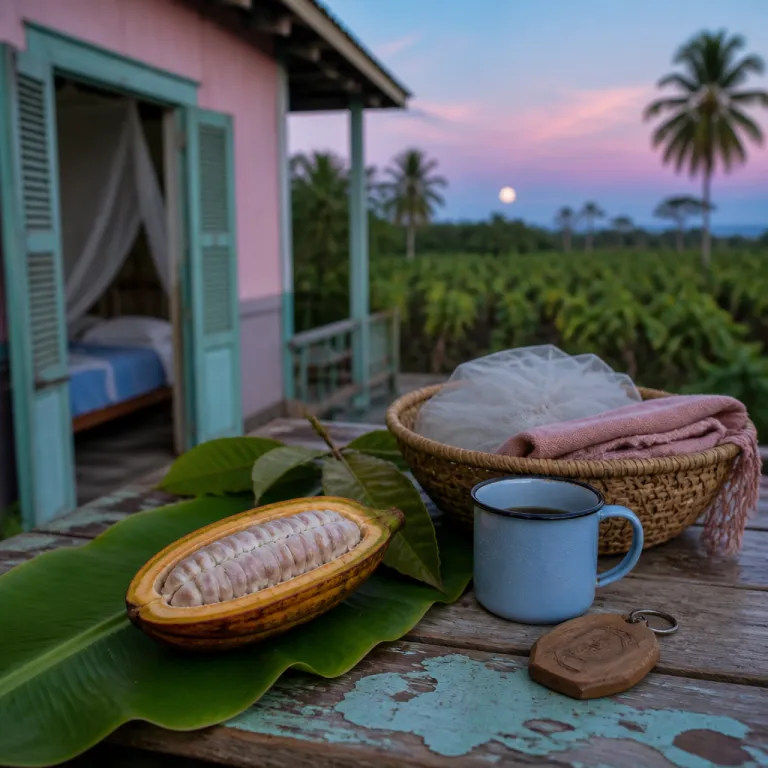
From booking page to plantation courtyard: setting expectations
The phrase “roca hotel sao tome plantation stay experience” barely prepares you for the first step onto the cobbled courtyard. Online booking engines reduce a working plantation house to icons for rooms, air conditioning and a swimming pool, yet the reality on São Tomé and Príncipe island estates is a lived heritage that starts long before check in. When you choose a roça hotel rather than standard beach resorts, you are signing up for a holiday where the plantation and its people shape every moment of your stay.
On São Tomé island, restored plantation houses such as Roça Monte Forte and Roça São João sit inland from the east coast, framed by cacao trees rather than a beach. These properties are part of a wider movement that has seen around fifteen restored roças open as accommodations, welcoming roughly five thousand visitors each year who want a more layered travel experience. The official description captures it clearly : “Staying in restored plantation houses.”
Guests arrive from Santo António on Príncipe Island or from São Tomé city expecting a hotel, but what they find is closer to a lived in colonial house with upgraded comforts. A roça hotel sao tome plantation stay experience means walking past drying cacao on the terrace on your way to breakfast, hearing workers in the sundy plantation fields while you sip coffee and understanding that your trip supports both preservation and local livelihoods. This is not a sealed resort bubble ; it is a heritage environment where the plantation house, the surrounding village and your rooms all share the same courtyard rhythm.
The daily rhythm at Roça Sundy and its sister plantations
Roça Sundy on Príncipe Island is the clearest expression of how a colonial house can become a refined hotel without losing its agricultural soul. Operated by the Príncipe Collection, Roça Sundy occupies an adaptive reuse of a Portuguese era plantation house, with polished rooms upstairs and an active cacao operation and chocolate factory still working below. When you book a roça hotel sao tome plantation stay experience here, you wake to the sound of roosters, not elevators, and your first view is of mist lifting off the plantation slopes rather than a car park.
The group runs four roça based properties with seventy seven rooms in total, each asking something slightly different of the guest. At Roça Sundy, the main house offers high ceilings, creaking floorboards and modern air conditioning, while the annex buildings feel more like a quiet village street where you can truly stay Roça style for several nights. Families who want a gentler introduction to plantation life often pair this with a night at Roça Agostinho Neto, a family friendly window into the island’s largest plantation, which you can explore in depth through this detailed guide to staying on a historic São Tomé roça with children.
Elsewhere in the archipelago, Roça Monte Forte on São Tomé offers rural tourism with simpler rooms and a stronger sense of isolation, while Roça São João has evolved into a cultural centre where art, cuisine and plantation heritage meet. Across these properties, the shared pattern is clear : mornings spent walking plantation trails, afternoons by a modest swimming pool or shaded veranda, and evenings over long dinners that turn your trip into a slow, reflective stay. The absence of scheduled entertainment is part of the roca hotel sao tome plantation stay experience, leaving space for conversations with staff who grew up on these lands and know every path between monte and sea.
Architecture, heritage and what has (and has not) been polished
To understand why a roça hotel feels so different from a conventional hotel, you need to look closely at the buildings themselves. These plantation houses were designed as working hubs for cacao and coffee, with grand façades facing the main courtyard and long service wings stretching towards the fields, and that original logic still shapes how you move through your stay. A roca hotel sao tome plantation stay experience means sleeping inside history, not beside it, with heritage details preserved wherever possible.
At Roça Sundy, the main plantation house retains its sweeping staircase, deep verandas and original tile floors, while bathrooms, air conditioning units and discreet wiring have been threaded in with restraint. On São Tomé, Roça Monte Forte keeps its whitewashed walls and timber shutters, accepting a little patina and unevenness as part of the story rather than chasing the gloss of anonymous beach resorts. When heritage advocates talk about São Tomé’s roças heading towards potential UNESCO World Heritage recognition, as explored in this analysis of how a World Heritage vote could reshape the islands’ tourism story, they are talking about exactly these layered spaces.
Not every corner is polished, and that is the point. You might pass a storage room that still smells faintly of dried cacao, or walk under a colonnade where plaster peels to reveal older paint, reminding you that this colonial house once managed thousands of hectares stretching from the east coast to the interior monte. The roca hotel sao tome plantation stay experience is therefore less about perfection and more about proximity to the real, where your holiday intersects with a living, sometimes complicated, heritage.
From Príncipe’s jungle to Banana Beach: pairing roças with the coast
Many travellers planning a trip to São Tomé and Príncipe worry that choosing a plantation stay means sacrificing the island beach experience. In practice, the most rewarding itineraries pair a few nights in a roça hotel sao tome plantation stay experience with time at carefully chosen beach resorts on both São Tomé and Príncipe Island. This balance lets you feel the agricultural heartbeat inland, then shift to the ocean’s slower pulse without losing the sense of place.
On Príncipe, the Príncipe Collection has refined this pairing into an art form. Sundy Praia sits on the island’s northwest coast with fifteen villas under tent like white roofs, some with private pools, offering a softer landing after the more immersive stay Roça Sundy provides inland. From here, you can take a short drive to Belo Monte, a hilltop property with sweeping views and direct access to Praia Banana, the crescent of sand often called Banana Beach, where the jungle falls straight into the sea.
Belo Monte’s position above Praia Banana makes it ideal for guests who want to alternate between plantation heritage and barefoot beach days, perhaps spending earlier nights at Roça Belo or another inland roça before moving to the coast. On São Tomé, Bom Bom’s jungle villas, set between two beaches, echo this roça plus sea rhythm, even if they are not plantation houses in the strict sense. Families who want a more classic resort feel after time in a colonial house often gravitate towards Club Santana on the east coast, which we review in depth as the São Tomé resort that works best when you bring the whole family, creating a holiday arc that moves from cacao terraces to calm coves.
Practicalities: who a roça suits, and how to choose yours
Not every traveller will thrive in a roça hotel sao tome plantation stay experience, and that is precisely why these properties feel so special to those who do. Connectivity can be patchy, service follows an equatorial pace and you share space with a working community rather than a choreographed resort team, so expectations matter. If you need constant entertainment, multiple restaurants and instant responses, a plantation house may frustrate you.
Couples and solo travellers who value atmosphere over amenities tend to fall hardest for Roça Sundy and Roça Monte Forte, where evenings stretch into long conversations on the veranda and the soundtrack is cicadas rather than live bands. Families often do well at larger estates such as Roça Agostinho Neto or at properties where rooms cluster around a central courtyard and a small swimming pool, making it easy to keep an eye on children between plantation walks. As the official guidance for these properties notes, “Are roça hotels suitable for families? Yes, many offer family-friendly accommodations.”
When choosing between São Tomé and Príncipe Island, think about how remote you want your trip to feel. São Tomé’s roças, including Roça São João and Roça Monte Forte, offer easier access to the capital, the east coast and day trips to beach resorts, while Príncipe’s Roça Sundy and Belo Monte feel more like self contained worlds where you settle in for several nights. Whichever plantation house you choose, plan your stay around the rhythm of the land rather than a packed excursion list, and you will leave with an experience that no standard hotel can match.
FAQ
What exactly is a roça hotel in São Tomé and Príncipe ?
A roça hotel is a former plantation estate in São Tomé and Príncipe that has been restored to offer guest rooms inside historic buildings. These properties usually sit within or beside working cacao or coffee fields, so guests stay inside a living agricultural landscape rather than a purpose built resort. The roca hotel sao tome plantation stay experience therefore combines accommodation, heritage and rural life in one setting.
Are roça stays suitable for families with children ?
Many roça hotels are suitable for families, especially larger estates where rooms cluster around a courtyard and there is space for children to move safely. Some properties, such as Roça Agostinho Neto and Roça Sundy, offer guided walks and cultural activities that work well for curious younger travellers. Parents should be comfortable with a slower pace and limited entertainment compared with big beach resorts.
How many restored roças currently welcome guests ?
Current data indicates that around fifteen restored roças across São Tomé and Príncipe operate as accommodations for visitors. These range from simple rural guesthouses to more polished properties managed by groups such as the Príncipe Collection. Together, they receive roughly five thousand guests per year, a small number that helps keep the roca hotel sao tome plantation stay experience intimate.
What activities can I expect during a plantation stay ?
Typical activities at a roça include guided walks through cacao and coffee fields, visits to drying terraces and processing areas, and informal conversations with workers and managers about plantation history. Many properties also offer cooking classes, local cuisine tastings and cultural events such as music or storytelling evenings. Beach excursions and hiking trips can usually be arranged through local guides or partner tour operators.
How should I prepare for a roça stay in terms of comfort and climate ?
Guests should pack light, breathable clothing for the tropical climate, along with good walking shoes for plantation paths that can be muddy after rain. Most roça hotels now offer air conditioning in at least some rooms, but nights can still feel warm and humid, especially inland. Booking in advance, respecting local customs and being ready for occasional power or connectivity interruptions will help you enjoy the full roca hotel sao tome plantation stay experience.
Sources
Príncipe Collection – official information on Roça Sundy, Sundy Praia and Belo Monte.
Monocle Travel Guide to São Tomé and Príncipe – reporting on Príncipe Collection properties and Bom Bom.
The Chocolate Islands – overview of restored roças and heritage tourism trends in São Tomé and Príncipe.