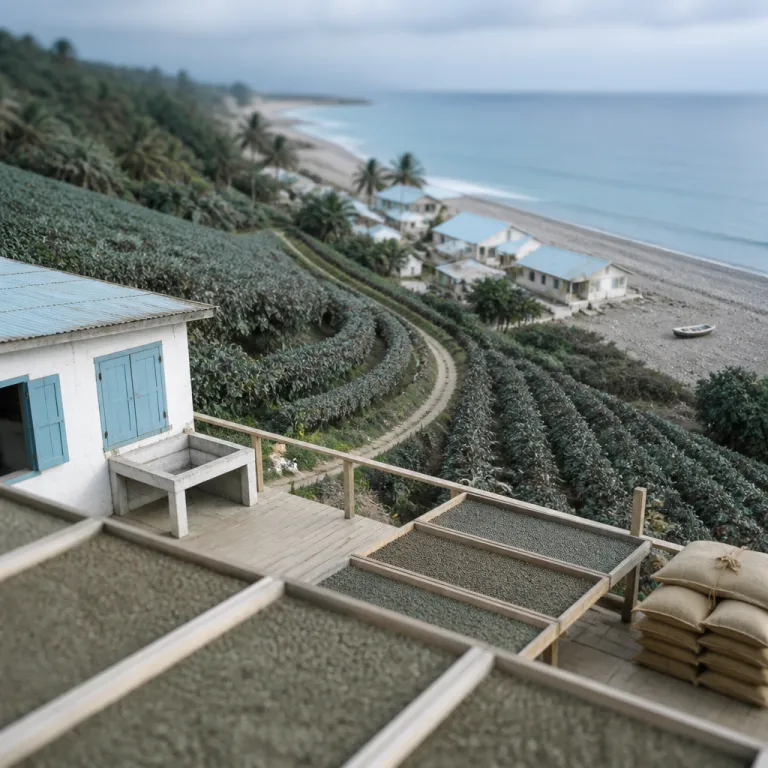
Designing a sao tome coffee chocolate plantation tour from your hotel
Luxury travelers often begin planning a sao tome coffee chocolate plantation tour from a seafront suite in the capital, looking inland toward the mist that hides Monte Café. From there, the island’s old roças — the historic farm estates that once drove global cacao and coffee trade — become a curated string of farm visits, tastings, and private transfers that any premium concierge can stitch into a single, coherent experience. This is where a well connected hotel on São Tomé Island quietly upgrades a simple chocolate excursion into an island wide narrative about terroir, people, and flavor.
On São Tomé, the main island in the twin islands of São Tomé and Príncipe, the best properties understand that a farm tour is not a side activity but the spine of an entire stay. Your concierge will usually start with Monte Café, the highland coffee farm that evolved into a cooperative, then extend the route through roças such as Diogo Vaz and smaller coffee farm operations that still dry beans on stone terraces. These curated plantation experiences turn the abstract idea of cacao coffee into something you can smell on drying racks and taste in cups poured metres from the trees.
For guests used to coffee tour experiences in Costa Rica or around Manuel Antonio, São Tomé’s scale feels almost private. Distances are short — typically 45 to 60 minutes by car from the capital to Monte Café, and around an hour and a half to the northwest roças — yet the shift from humid coast to cool interior happens over a few winding kilometres, and every farm visit can be tailored to your pace. High end hotels on São Tomé and on Príncipe Island now treat these farm experiences as core programming, pairing them with spa treatments that use cocoa based products and menus that lean into coffee chocolate pairings at dinner.
Monte Café: cooperative coffee, volcanic soil, and slow luxury
Monte Café sits roughly 700 to 800 metres above sea level, where clouds snag on the ridgeline and the air cools enough for a long coffee tasting without the coastal heat. Local guides often quote old plantation records that place the main settlement at around 750 metres, a detail that helps explain why arabica thrives here, even if exact figures vary slightly between sources. At this point in your sao tome coffee chocolate plantation tour, the experience shifts from scenic drive to technical lesson, as hosts explain how volcanic soil and equatorial rainfall shape the mild coffee profile with slight acidity and notes of chocolate, spice, and nuts. Walking between rows of trees, you start to understand why this island, and not a better known coffee region like Costa Rica, produces such quietly distinctive cups.
The cooperative model at Monte Café contrasts with the large single owner plantations you may have seen on other islands, and that difference matters for travelers who care about where their money goes. Guides outline how local farmers share equipment, how organic leaning methods reduce chemical use, and how tree to cup processing keeps more value on São Tomé Island. Harvests typically peak between roughly June and September, when patios fill with parchment coffee and the air smells faintly sweet, though exact timing can shift with the rains. When you sit for a structured coffee tour style session, you taste washed and natural coffees side by side, sometimes even a rare cacao coffee blend that hints at the chocolate farm visits still ahead.
Hotels that understand gastronomy will often pair a Monte Café visit with lunch built around São Toméan staples and a nod to calulu, the national dish, which you can explore in more depth through this guide to hotel restaurants serving calulu particularly well. One Monte Café guide likes to point out the old pulping machine, tap it twice, and say, “This is where the island’s mornings begin,” before pouring a final cup. Back at your property, baristas might recreate the tasting flight you enjoyed at the farm, turning a simple espresso into a reminder of the misty terraces you walked that morning. For solo explorers, this is often the moment when a sao tome coffee chocolate plantation tour stops being a checklist and becomes the experience best remembered from the trip.
Diogo Vaz and the roças: from cacao plantation to tree to bar chocolate
Where Monte Café feels intimate and cooperative, Roça Diogo Vaz operates at a different scale, with more than 400 hectares dedicated to cocoa and coffee stretching inland from the northwest coast of São Tomé. Company figures often cite around 420 hectares under management, a mix of rehabilitated old plots and newer plantings, though published numbers can vary slightly between reports. This is where your sao tome coffee chocolate plantation tour reveals its industrial yet still human side, as you move from cacao plantation blocks to fermentation boxes and finally into the on site chocolate factory. Guides here often answer the question that appears in every serious tasting room : "What is tree-to-bar chocolate?" followed by the clear definition : "Chocolate made entirely on-site, from cacao cultivation to final product."
Walking the grounds, you see how carefully managed cocoa trees sit between shade plants, and how workers turn beans on broad drying patios that echo the roças’ colonial past. Inside, the tour chocolate segment becomes more technical, with explanations of roasting curves, conching times, and why certain parcels of land are kept separate as vintage lots. Staff sometimes mention that annual production remains modest by global standards, measured in tens rather than hundreds of tonnes, which allows close control over quality rather than chasing volume. Tasting flights move from pure cocoa nibs to high percentage bars, and then to more playful chocolate coffee combinations that show how cacao coffee can be layered without losing clarity.
For travelers who have toured Claudio Corallo’s operation in the capital — which you can explore in depth through this dedicated look at why his chocolate factory surprises so many visitors — Diogo Vaz feels like the missing macro scale chapter. Corallo’s team is known for working with carefully selected beans from São Tomé and nearby islands, then processing them in small batches that highlight terroir. Luxury hotels often arrange private chocolate tasting sessions at Diogo Vaz, sometimes outside regular public tours, so you can compare single parcel bars in quiet. The contrast between different roças, from Diogo Vaz to smaller rocas scattered across the islands, underlines why São Tomé and Príncipe now sits on the radar of serious chocolate buyers in Europe.
From cocoa bean to hotel dessert plate: how luxury properties curate the trail
Once you have walked the drying patios and fermentation rooms, the next logical step in any sao tome coffee chocolate plantation tour is to see how chefs translate those beans into plated desserts and savoury dishes. High end hotels on São Tomé and on Príncipe increasingly build menus around local cocoa and coffee, turning the island’s agricultural backbone into a nightly tasting menu. This is where the phrase chocolate coffee stops being a café drink and becomes a design language for sauces, glazes, and even breakfast buffets.
On São Tomé Island, several leading properties now work directly with figures such as Jean Rémy Martin, an entrepreneur widely credited in local media with helping revitalise parts of the cocoa sector, and with master chocolatier Olivier Casenave, who crafts award winning bars from local beans. Interviews with local hoteliers frequently reference Martin’s role in supporting farmer training and organic certification initiatives, while Casenave’s name appears on labels in boutique hotel shops. Their work sits behind the scenes of your dessert course, but staff will often explain how organic farming practices and tree to bar production support both farmers and flavor. One frequently repeated line in tasting rooms captures the shift perfectly : "Why is São Tomé called the Chocolate Island?" followed by the answer : "Due to its historical significance in cocoa production."
For travelers comparing destinations, this bean to bar to plate chain feels very different from more mass tourism oriented farm tours in places like Manuel Antonio, where coffee chocolate pairings can feel standardised. Here, chefs might serve a cocoa nib crusted fish, a coffee chocolate ganache with local fruits, or a simple square of dark bar alongside a Monte Café espresso. Some properties limit dessert tasting menus to a small number of guests per evening, keeping the experience intimate and allowing time for explanations. To explore how these menus fit into the broader fine dining scene, look to this overview of premium dining experiences through São Tomé and Príncipe’s luxury hotel restaurants, which maps where the bean trail meets white tablecloth service.
Planning logistics: choosing hotels and structuring your plantation tours
Turning a sao tome coffee chocolate plantation tour into a seamless luxury experience starts with choosing the right base on São Tomé Island. Properties in or near the capital make it easy to reach Monte Café, Diogo Vaz, and several smaller rocas in a series of half day or full day excursions, usually on paved but sometimes potholed roads that can feel slow after heavy rain. Resorts on Príncipe, meanwhile, lean into the island’s UNESCO biosphere status, offering their own plantation tours that focus on smaller cacao plantation plots and forest linked farm experiences.
When you speak with a hotel’s concierge, ask specifically about private farm tours versus group tours, and whether they can arrange direct meetings with producers at each coffee farm or chocolate farm. The best teams will time your visit to coincide with harvest or drying periods, when the sensory impact of cocoa and coffee is at its peak. They can also balance your schedule so that a dense morning of technical explanations at a plantation is followed by a slower afternoon on an empty beach, or a quiet chocolate tasting back at the bar.
Solo travelers should pay attention to transfer times and road conditions, since some roças sit at the end of narrow, winding routes that feel adventurous but can be tiring. A well planned itinerary might group Monte Café with nearby farm tours on one day, then reserve another for the northwest coast and Diogo Vaz, leaving space for unscripted stops at local cafés. Across both islands of São Tomé and Príncipe, the experience best itineraries are those that respect the rhythm of the farms themselves, letting you see, smell, and taste each stage of the bean’s journey without rushing.
Why São Tomé’s bean trail matters for conscious luxury travelers
Following the bean trail from Monte Café to Diogo Vaz is not only a sensory journey ; it is also a way to understand how São Tomé and Príncipe repositioned itself in the global cocoa market. After independence, production declined sharply, and many roças fell into disrepair, but recent efforts led by producers and investors, including well known names such as Jean Rémy Martin, have replanted cacao across parts of the island and improved local farmers’ incomes. Local agricultural reports often note that while volumes remain far below the colonial era peak, farm gate prices and quality premiums have increased. For travelers who care about where their chocolate and coffee come from, this context turns each plantation visit into a form of informed, responsible tourism.
Organic farming practices, modern agricultural techniques, and on site chocolate factories now underpin a new generation of tree to bar producers whose bars command premium prices in Europe. At Diogo Vaz, for example, staff often reference how historical cocoa production once reached tens of thousands of tonnes, and how today’s smaller volumes focus on quality rather than sheer scale, even if exact historical numbers differ between archives. That shift aligns with global demand for sustainable, traceable cocoa and with the rising interest in farm tours that show every step from seedling to finished bar.
For luxury hotels, aligning with this movement is both a culinary and ethical choice, and the best properties now highlight which roças supply their beans and how they support local partners. Guests who have previously joined coffee tour circuits in Costa Rica often comment on how much more intimate São Tomé’s farm tours feel, with fewer visitors and more time for questions. In the end, a carefully curated sao tome coffee chocolate plantation tour becomes a signature of the islands themselves : small scale, deeply flavorful, and quietly ahead of the curve in linking indulgence with responsibility.
FAQ
What is tree to bar chocolate in São Tomé and Príncipe ?
Tree to bar chocolate in São Tomé and Príncipe refers to chocolate made entirely within the islands, from cultivating cacao trees on local plantations to fermenting, drying, roasting, and moulding the final bars on site. Producers such as Diogo Vaz and Claudio Corallo control every step of this chain, which allows them to highlight specific plots and flavour profiles. For travelers, visiting these facilities during a sao tome coffee chocolate plantation tour offers a clear view of how local agriculture translates directly into premium chocolate.
Why is São Tomé often called the Chocolate Island ?
São Tomé earned the nickname "Chocolate Island" because it was once one of the world’s most important cocoa producers, with vast roças covering much of the main island. Historical records from the early twentieth century describe exports measured in tens of thousands of tonnes, a scale that shaped both the landscape and the local economy. Although total volumes have decreased compared with the colonial peak, the focus has shifted toward high quality, often organic cocoa that attracts specialty buyers. When you join plantation tours at Monte Café, Diogo Vaz, or other roças, guides usually explain this history and show how today’s producers build on that legacy.
How do I book a sao tome coffee chocolate plantation tour from my hotel ?
Most luxury and premium hotels on São Tomé Island and on Príncipe can arrange private or small group plantation tours through their concierge or guest relations teams. You can usually choose between half day visits to a single farm, such as Monte Café, or full day itineraries that combine several roças with a structured chocolate tasting. It is worth confirming whether your hotel works directly with producers like Diogo Vaz or local cooperatives, as this often leads to more in depth experiences and clearer pricing before you travel.
What should I expect during a tasting at Monte Café or Diogo Vaz ?
At Monte Café, tastings focus primarily on coffee, with flights that compare different processing methods and sometimes include blends that hint at chocolate notes from the surrounding cacao plantations. Diogo Vaz, by contrast, emphasises cocoa and chocolate, guiding visitors through nibs, single origin bars, and sometimes pairings with local fruits or coffee. In both places, staff explain how volcanic soil, altitude, and equatorial climate shape the flavours you experience in the cup or on the palate.
Is São Tomé suitable for travelers who have already visited coffee regions like Costa Rica ?
Travelers familiar with coffee regions such as Costa Rica or areas around Manuel Antonio often find São Tomé and Príncipe refreshingly intimate and less commercial. Distances between farms are short, visitor numbers are low, and many roças still operate with a mix of traditional and modern techniques that you can observe up close. A sao tome coffee chocolate plantation tour therefore feels more like stepping into a working landscape than joining a standardised excursion, which strongly appeals to independent, experience focused travelers.