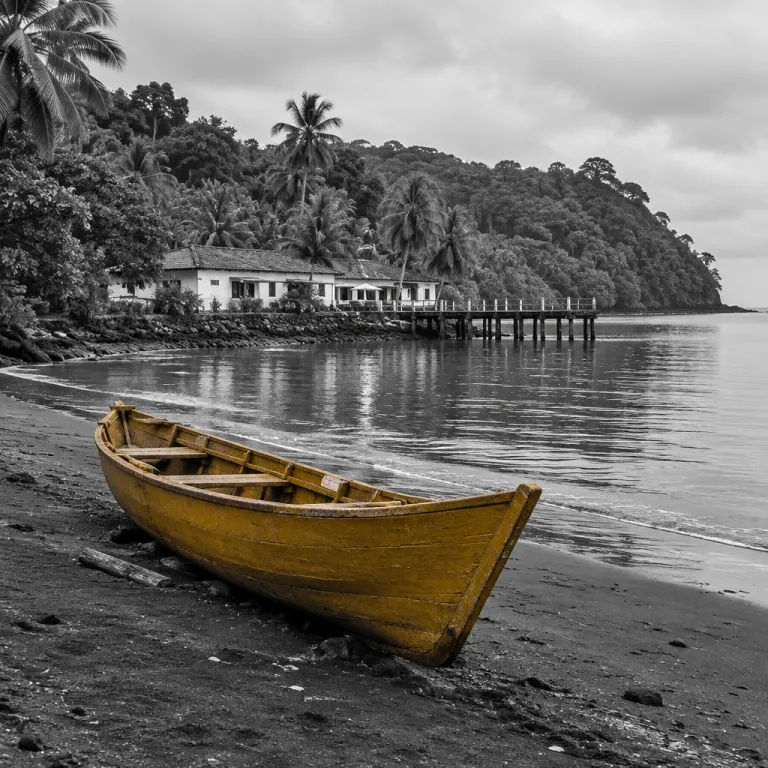
Why arriving late to tourism became São Tomé’s quiet advantage
São Tomé and Príncipe entered the global tourism sector long after other islands. That delay shaped a model where low room numbers, strict biosphere rules and close work with local communities define how luxury travel operates. When you look at sao tome sustainable tourism world tourism day conversations, this archipelago in Africa often feels like the counter example to mass market beach development.
On Príncipe, the tourism sector is anchored by HBD, which runs the island’s main lodges with a 515 strong équipe and channels a dedicated Conservation and Communities Contribution into local projects. That structure means the tourism sustainable approach is not a marketing slogan but a national level framework that touches hiring, training and how each guest stay supports local people. For travellers booking high end stays, the economic impact of each night is unusually visible, from the roça worker paid to restore a cacao drying terrace to the guide trained to interpret wildlife and explain how eco tourism helps protect endangered species.
World Tourism Day usually brings speeches about sustainable development and ethical sustainable intentions in the tourism organisation space. In São Tomé and in Príncipe, the reality on the ground is more specific and more demanding for companies that operate hotels. The tourism sao narrative here is about keeping numbers small enough that the world tourism spotlight does not overwhelm fragile forests, coral and the local communities that still live largely from fishing and small scale agriculture.
How conservation contributions work when you book a luxury stay
When you reserve a premium room on Príncipe, part of your rate flows into a Conservation and Communities Contribution managed by HBD and local partners. This mechanism, often highlighted around tourism day campaigns, funds concrete sustainable development projects rather than abstract pledges. It is one of the clearest examples in Africa of how the tourism sector can align economic development with protection of wildlife and support for local communities.
In practice, that contribution helps finance marine patrols that protect endangered turtles, community led reforestation and training programmes for local people moving into hospitality roles. It also supports Fundação Príncipe, which works on conservation, education and tourism policy at island scale, ensuring that tourism sustainable principles stay aligned with national objectives. For travellers comparing properties on a luxury and premium hotel booking website, this is where sao tome sustainable tourism world tourism day messaging becomes tangible, because you can ask each hotel how much of your bill goes into similar funds.
On São Tomé island, several high end properties now mirror this model, linking each reservation to a small per night conservation fee and to partnerships with local companies that prioritise ethical sustainable sourcing. Guides are trained to interpret the forest, explain how eco tourism reduces pressure on hunting and show how tourism organisation standards from the Organisation UNWTO translate into daily practice. If you want a deeper dive into these sustainability innovations in the tourism sector, the detailed analysis on sustainability innovations in São Tomé hotel booking is a useful companion before you choose where to stay.
The fragile balance of staying small under a growing spotlight
Príncipe’s status as a UNESCO Biosphere Reserve, combined with rising world tourism attention, creates a paradox. The same designation that protects forests and marine life also attracts more visitors, more investment and more pressure on limited freshwater, waste systems and local communities. On sao tome sustainable tourism world tourism day panels, officials often point to this archipelago as a model, yet the model only works if growth remains carefully managed.
HBD’s integrated approach, with its 515 person équipe and Conservation and Communities Contribution, shows how one group can align tourism policy, conservation and economic impact on a small island. However, the system is vulnerable if too many new companies enter without the same commitments or if national policy shifts toward higher volume tourism. The tourism organisation frameworks promoted by the Organisation UNWTO and the United Nations can guide tourism policy, but enforcement on the ground in São Tomé and in Príncipe depends on political will, funding and continued support from local people who see real benefits.
For travellers, the risk is that a destination built on low density eco tourism becomes another crowded stop in the world tourism circuit. That would erode the very qualities that make tome principe special, from empty beaches to intact wildlife corridors and quiet roças where cacao still dries in the sun. To understand how UNESCO biosphere rules shape what you experience as a guest, the guide to full biosphere status and travel in São Tomé unpacks what changed for travellers and for the tourism sector.
How to keep your stay on the right side of the ledger
World Tourism Day is a useful moment to audit how your own travel habits align with sustainable tourism, especially in a place as finely balanced as São Tomé and Príncipe. Start with your choice of property and ask specific questions about conservation fees, staff training, local sourcing and partnerships with community organisations. On a curated platform such as refined stays between rainforest and ocean, you can filter for hotels that treat tourism sustainable principles as core operations rather than seasonal marketing.
Once on the islands, keep your footprint light by choosing guided walks with trained naturalists, limiting plastic use and respecting wildlife viewing distances on both São Tomé and Príncipe. Ask how your excursions support local communities, whether through direct payments to community associations or through employment of local people as guides, boat captains and drivers. When you hear sao tome sustainable tourism world tourism day speeches, translate them into simple actions such as tipping fairly, buying from small local companies and avoiding activities that disturb turtles, dolphins or forest birds.
Finally, remember that the economic impact of your stay extends beyond the hotel bill into how you allocate your time and attention. A dinner in a family run restaurant, a visit to a roça cooperative or a day with a community led marine project can reinforce ethical sustainable practices and show that high end travel can support sustainable development. In a world where tourism day messages often feel generic, São Tomé and Príncipe offer a precise case study of how the tourism sector, national policy and engaged guests can align to protect endangered ecosystems while still delivering rare comfort.
FAQ
How does São Tomé’s late start in tourism shape today’s luxury hotels ?
Because São Tomé and Príncipe entered the tourism sector relatively late, there are fewer rooms, more intact forests and a stronger emphasis on eco tourism than in many other island destinations. High end properties were designed from the outset with sustainable tourism principles, community employment and conservation funding built into their business models. This slow build means the economic impact of each guest night is more closely tied to local communities and to long term sustainable development goals.
What makes Príncipe’s hospitality model stand out in Africa ?
On Príncipe, HBD operates the main lodges with a 515 strong équipe and channels a Conservation and Communities Contribution into local initiatives, while the island’s UNESCO Biosphere Reserve status guides land use and tourism policy. This combination of private sector commitment, national level regulation and community partnerships is still rare in Africa’s luxury travel market. It offers a concrete example of how tourism sustainable strategies can protect wildlife, support local people and maintain high service standards.
How can my booking support local communities in São Tomé and Príncipe ?
Your choice of hotel and activities directly influences how much money reaches local communities and local people. Look for properties that publish clear information about conservation fees, local hiring, training programmes and partnerships with community organisations. When possible, book excursions that employ local guides, use locally owned boats or vehicles and contribute to projects that protect endangered species or restore ecosystems.
Is São Tomé a good destination for responsible wildlife experiences ?
São Tomé and Príncipe offer some of the most carefully managed wildlife experiences in the Gulf of Guinea, from turtle nesting beaches to forest birding and marine excursions. Operators working within the UNESCO Biosphere Reserve framework follow guidelines on viewing distances, group sizes and seasonality to reduce disturbance. Choosing companies that respect these rules and that align with Organisation UNWTO recommendations helps ensure your wildlife encounters remain ethical and low impact.
Why does World Tourism Day matter more here than at mass market resorts ?
On these small islands, the tourism sector is a major driver of economic development but also a potential threat to fragile ecosystems and limited infrastructure. World Tourism Day conversations about sustainable tourism, tourism policy and ethical sustainable practices translate into very real decisions about how many beds to build, which forests to protect and how to share benefits with local communities. Because São Tomé and Príncipe came late to tourism, they still have the chance to keep growth aligned with conservation, making each traveller’s choices especially significant.