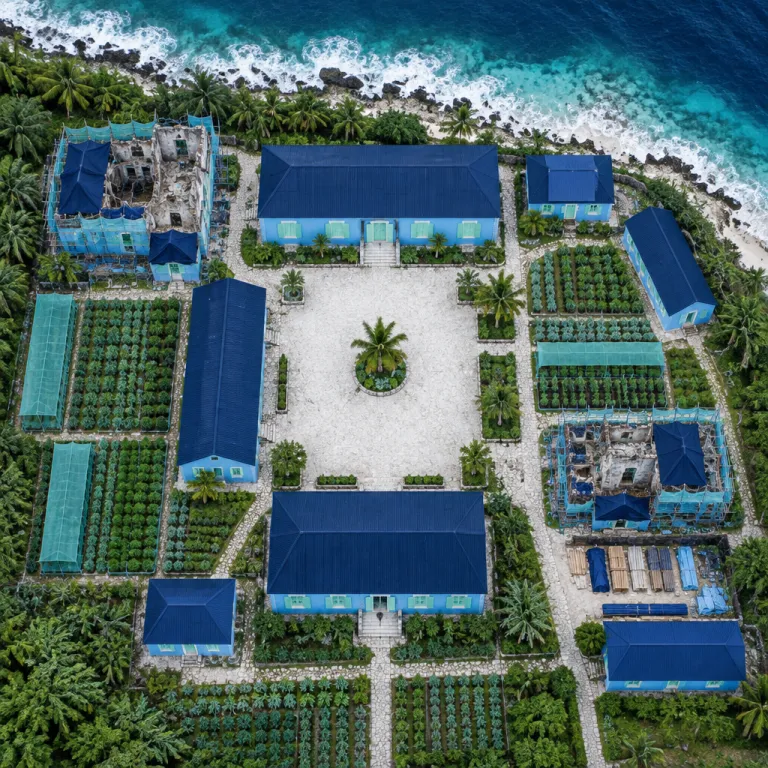
From UNESCO listing to sao tome roca restoration revival on the ground
The six historic roças of São Tomé and Príncipe now sit on the UNESCO World Heritage List, but the sao tome roca restoration revival is only just beginning. This twin island nation, usually shortened to São Tomé and Príncipe or simply sao tome and tome principe, must now turn fragile recognition into habitable spaces where travellers can actually stay. For anyone choosing a place to stay on either tome island or Príncipe island, the real story lies in how each former plantation estate is being stabilised, funded and carefully reopened.
On São Tomé island, the word roça once meant a working plantation house surrounded by coffee, cocoa and palm, while today many of these rocas are semi ruined shells that still carry deep colonial era memories. The UNESCO inscription covers six emblematic sites, including Belo Monte on Príncipe island, Roça Sundy on the same island and Água Izé and Monte Café on island São Tomé, each representing a different chapter of Portuguese plantation heritage. When you read about sao tome roca restoration revival in glossy travel features, remember that every repaired roof tile and every metre of new water pipe is part of a slow, expensive and very physical process.
UNESCO status does not magically turn derelict rocas into luxury hotels or refined guesthouses, and the gap between listing and livable rooms is where the most interesting work now happens. For travellers, that means the most atmospheric place to stay might still be a little rough around the edges, while the most polished hotel may sit outside the official World Heritage perimeter. Understanding this tension is essential if you want your stay on these islands sao to support real restoration rather than just consume the surface romance of faded colonial architecture.
What it takes to turn a crumbling roça into a working stay
Walk into almost any abandoned roca plantation on São Tomé island and you immediately see why sao tome roca restoration revival is a generational project. Roofs have collapsed, timber has rotted in the equatorial humidity and the concrete shells of former plantation houses stand open to the forest. Before a single luxury suite can be marketed, engineers must stabilise structures, secure water and power and decide which scars of the colonial era should remain visible.
At Monte Café, once the beating heart of São Tomé coffee production, restoration teams face the challenge of preserving industrial machinery while planning future hospitality spaces that might host cocoa coffee tastings or small exhibitions. Água Izé, another key plantation on island sao, stretches along the coast with workers’ quarters, a hospital and processing buildings that speak of forced migration and the harsh labour systems that underpinned Portuguese cocoa beans wealth. Any serious sao tome roca restoration revival must keep this history legible, even as investors talk about potential hotel conversions or cultural centres that could become a perfect place for thoughtful travellers to stay.
On Príncipe island, the UNESCO listing has sharpened focus on which of the six roças can realistically welcome guests in the near term, and which should remain primarily as heritage sites. If you want to understand which World Heritage roças you can actually book, start with a detailed guide such as this breakdown of the six roças and their booking status. For now, the most responsible travellers accept that some rocas will stay closed for years while structural work, community consultation and funding slowly align behind the scenes.
Belo Monte and Roça Sundy: two faces of restoration on Príncipe
If you want a clear lens on sao tome roca restoration revival, look at Belo Monte and Roça Sundy on Príncipe island. Belo Monte has already been restored as a 15 room hotel, turning one of Príncipe’s largest former cocoa estates into a discreet luxury stay with sweeping views over Praia Banana. Roça Sundy, by contrast, is currently closed for an extensive restoration programme, and that closure tells you as much about the process as Belo Monte’s polished verandas.
At Belo Monte, the main plantation house has been carefully reworked into generous suites and salons, while outbuildings host additional rooms that retain the proportions of the original rocas architecture. Guests sleep under high ceilings where Portuguese administrators once signed contracts for cocoa beans and coffee shipments, yet the atmosphere now leans towards quiet comfort rather than colonial theatre. The surrounding grounds still show traces of working life, from old cocoa drying terraces to paths that once linked the estate to smaller roca plantation outposts scattered across the forested hills of tome principe.
Roça Sundy sits deeper inland, framed by dense vegetation and the wider Príncipe biosphere reserve, and its current closure underlines how seriously the owners take structural safety and historical integrity. Rather than rushing to reopen, the team has opted for a long, phased restoration that should eventually balance guest comfort with a clear reading of the estate’s role in the colonial era economy. For a sense of what this kind of conversion can deliver when it finally opens, look at detailed property analyses such as this deep dive into Belo Monte’s transformation from plantation to high end retreat.
Ruin romance, working estates and the ethics of your stay
Many travellers arrive in São Tomé and Príncipe seduced by images of ivy draped arches and peeling pastel walls, yet sao tome roca restoration revival forces you to look beyond ruin romance. These islands were once among the world’s most productive cocoa and coffee exporters, and every picturesque crack in a plantation house wall is tied to forced migration and extractive labour. When you book a hotel on tome island or Príncipe island, you are stepping into that layered history whether you acknowledge it or not.
Some rocas are evolving into hybrid spaces where parts of the estate still function agriculturally while other wings host guests in understated luxury. On a guided walk around a working cocoa plot near Belo Monte, you might see cocoa beans drying on the same terrace where Portuguese overseers once inspected harvests, then return to a shaded veranda for a cup of strong coffee grown within a few kilometres. In these living estates, the most meaningful place to stay is often one where you can talk to local workers about how restoration funds support schools, clinics or smallholder training rather than just admire colonial facades.
Other properties lean more heavily into the hotel experience, with manicured lawns and infinity pools that frame the jungle and the sea, and here the ethical questions shift. Is the estate still connected to surrounding communities, or has the former roca plantation become an island of privilege within island sao or Príncipe’s rural interior. As you weigh options, ask how each stay contributes to maintaining heritage structures, supporting local employment and keeping the story of the colonial era visible rather than airbrushed into generic tropical luxury.
How to support the restoration economy when you book
For a solo explorer planning a first trip, sao tome roca restoration revival can feel abstract until you start choosing where to sleep. The most direct way to support this restoration economy is to prioritise hotels and guesthouses that occupy or actively partner with historic rocas, even if that means accepting a few quirks in room layouts or service rhythms. On São Tomé island, that might mean staying near Monte Café or Água Izé and building time into your itinerary to visit the estates with local guides who can explain how your spending feeds back into preservation.
On Príncipe island, consider splitting your stay between a coastal property such as Sundy Praia and an inland hotel linked to a restored plantation house, so you experience both the biosphere reserve coastline and the cultural core of the roças. Sundy Praia offers refined villas on the sand, while its sister estates inland carry the architectural memory of the cocoa and coffee economy that once defined tome principe. When you book, ask specific questions about how room rates contribute to ongoing works at Roça Sundy or other rocas, and whether visits to active restoration sites can be arranged responsibly.
Beyond the roças themselves, you can extend your impact by choosing experiences that keep money circulating in rural communities rather than only in capital city hotels. A day trip combining a visit to a working cocoa plot, a coffee tasting and perhaps an offshore excursion such as big game fishing off São Tomé’s deep blue waters can be structured to support local skippers, farmers and guides. The goal is not to chase a checklist of heritage sites, but to weave your stay into the slow, patient work of turning derelict roças back into lived in, economically viable parts of islands sao life.
Reading the landscape: cocoa, coffee and living heritage on the islands
Once you land in São Tomé city and drive inland, sao tome roca restoration revival becomes visible in small, telling details. Fresh paint on a veranda column at a former plantation house, new wiring strung discreetly along a corridor, or a restored chapel now used for community meetings all signal that a roca plantation is edging back towards daily use. These are not museum pieces, but fragments of a living landscape where cocoa, coffee and people still move between the forest and the sea.
On the road to Monte Café, you pass smallholdings where families dry cocoa beans on wooden trays, echoing the industrial scale operations that once defined the big rocas. In the hills above Água Izé, the view opens onto a patchwork of forest, old estate buildings and the Atlantic, reminding you that São Tomé and Príncipe’s UNESCO listing sits within a wider biosphere reserve that protects both biodiversity and cultural heritage. The islands’ future depends on keeping this balance, ensuring that luxury travellers can enjoy chocolate tastings, coffee tours and refined hotels without pushing working communities to the margins.
For many visitors, the most powerful moments come not in the grand salons of Belo Monte or the polished decks of Sundy Praia, but in quiet conversations under a mango tree with someone whose grandparents worked these lands during the colonial era. Those exchanges turn abstract terms like forced migration, Portuguese heritage and sao tome roca restoration revival into lived experience, anchored in specific fields, houses and family stories. If you travel with that awareness, every stay on tome island or Príncipe island becomes part of a broader effort to honour the past while building a more equitable hospitality future.
FAQ
Which roças in São Tomé and Príncipe can I currently stay in?
Availability changes as restoration progresses, but Belo Monte on Príncipe island operates as a 15 room luxury hotel within a restored plantation house, while other rocas are in various stages of conversion. Some estates on São Tomé island near Monte Café and Água Izé offer guided visits or simple guest rooms rather than full service hotels. Always check current booking information, as properties like Roça Sundy may be closed for long term works even though they feature prominently in heritage narratives.
How does my hotel choice support sao tome roca restoration revival?
Your spending has the most impact when you choose hotels that occupy or directly partner with historic rocas and commit a portion of revenue to structural repairs, maintenance and community projects. Ask properties how they contribute to preserving Portuguese heritage buildings, supporting local employment and interpreting the colonial era honestly for guests. Transparent answers usually indicate that your stay is part of a genuine restoration economy rather than just a marketing story.
Is it better to stay on São Tomé island or on Príncipe for heritage?
São Tomé island offers easier access to multiple rocas such as Monte Café and Água Izé, making it ideal if you want to see a range of plantation landscapes in a short time. Príncipe island, by contrast, combines a smaller number of key estates like Belo Monte and Roça Sundy with a dramatic biosphere reserve setting and very low visitor numbers. Many travellers split their trip between the two islands sao, using São Tomé for broader context and Príncipe for deeper immersion in a single restored estate.
Can I visit Roça Sundy while it is closed for restoration?
Access to Roça Sundy during its extensive restoration programme is usually restricted for safety and conservation reasons, so overnight stays are not possible and visits may be limited or guided only. When permitted, tightly managed tours can offer valuable insight into the scale of work required to stabilise large plantation complexes. Always follow local guidance and avoid entering closed buildings or work zones without explicit permission from site managers.
What should I look for when booking a responsible luxury stay in the roças?
Focus on properties that integrate local staff at all levels, source food from nearby producers and offer thoughtful interpretation of cocoa, coffee and colonial history rather than superficial decor. Check whether the hotel supports education, healthcare or training programmes in surrounding communities and whether it maintains original architectural features where safe. A responsible stay in the context of sao tome roca restoration revival should feel connected to the wider landscape and people, not sealed off from them.