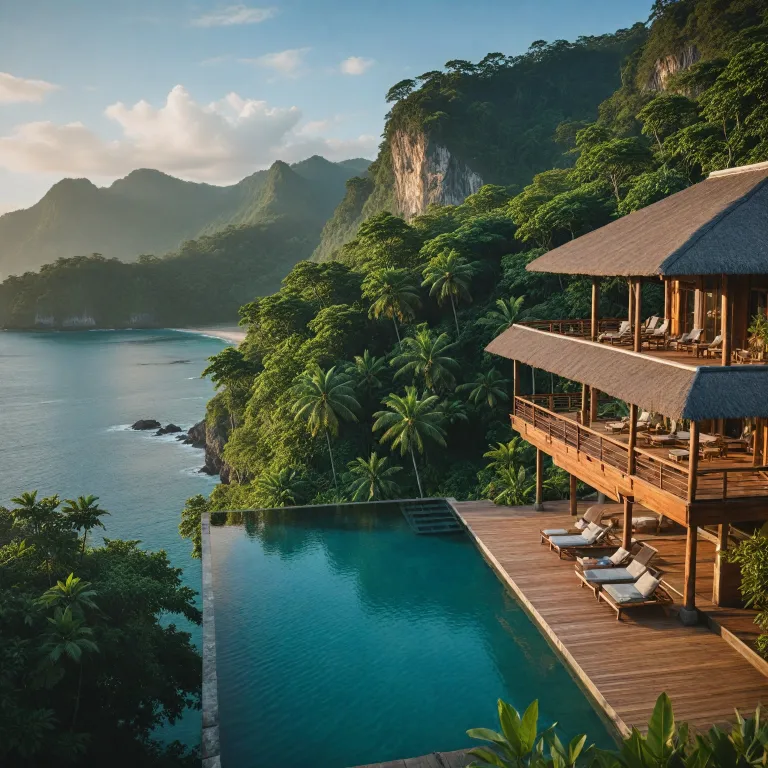
Understanding where São Tomé is and why its location matters for luxury travel
Many travelers first ask where is São Tomé when planning a refined escape. São Tomé and Príncipe is an island country in the Gulf of Guinea, positioned off the western equatorial coast of Central Africa and framed by warm Atlantic waters. This remote setting shapes every premium stay, because the islands feel secluded yet remain accessible from major African and European hubs.
The main island São Tomé lies just north of the equator, which gives the country a consistently tropical climate ideal for ocean facing suites and rainforest lodges. São Tomé Island and the smaller Príncipe Island rise from an ancient volcanic line, so guests see dramatic peaks such as Pico de São Tomé while still being close to the sea. When you understand where is São Tomé on the map, you also understand why its landscapes feel more like a private sanctuary than a typical resort strip.
Historically, the islands were part of the Portuguese empire, and the legacy of Portugal still shapes architecture, language, and gastronomy in every luxury hotel. The official language is Portuguese, and many premium properties offer bilingual concierges who help guests connect with local São Toméan culture. São Tomé and Príncipe today is an independent democratic African nation, and its government promotes sustainable high end tourism rather than mass development.
For travelers comparing African islands, the country profile of São Tomé and Príncipe stands apart from larger countries like Cape Verde or island clusters in the Indian Ocean. The two main islands, São Tomé Island and Príncipe Island, host a compact population of just over two hundred thousand people, which keeps visitor numbers low and service levels high. Understanding where is São Tomé geographically helps you appreciate why luxury and premium hotel booking here feels intimate, curated, and deeply place based.
Political stability, national institutions, and how they shape premium hotel confidence
When discerning guests research where is São Tomé, they often look beyond maps to political stability and governance. São Tomé and Príncipe is an independent democratic country with a semi presidential system, and this framework underpins investor confidence in luxury and premium hotel projects. The national government has positioned sustainable tourism as a strategic pillar of the economy, which reassures travelers seeking long term reliability in service standards.
The president and the prime minister share executive responsibilities, while the National Assembly holds legislative authority and allocates majority seats among political parties. For hotel investors and booking platforms, this balance of power matters because it influences tourism regulation, environmental protection, and infrastructure budgets on São Tomé Island and Príncipe Island. A stable African democracy with clear institutions is a strong answer when guests ask where is São Tomé in terms of political risk.
In the capital São Tomé City, often called simply Tome City by locals, ministries coordinate tourism policy with private operators and international partners. The National Assembly and other national bodies work from this urban hub on the northeast coast of the main island São Tomé. Their decisions affect everything from airport upgrades to coastal zoning, which in turn shapes the quality of luxury rooms, villas, and wellness retreats available across the islands.
For travelers comparing different African countries, São Tomé and Príncipe’s country profile highlights a relatively calm political climate and a focused tourism vision. This is particularly important for premium guests who value safety, predictability, and ethical governance when choosing where to stay. If you want to read more about how service culture translates into guest experience, you can explore this detailed overview of service excellence stories on luxury and premium hotel booking websites in São Tomé and Príncipe.
From cocoa plantations to curated suites : how the economy supports refined stays
Understanding where is São Tomé also means understanding how its economy evolved from plantations to premium hospitality. For centuries, cocoa and other agricultural exports dominated the economy of São Tomé and Príncipe, leaving a landscape of grand roças that now inspire many luxury conversions. Today, cocoa remains important for the economy, but carefully managed tourism is emerging as a sophisticated secondary pillar.
When you look at the economy São Tomé and Príncipe maintains, you see a deliberate shift toward high value, low volume travel. The government encourages restoration of historic estates on São Tomé Island and Príncipe Island into refined lodgings, rather than building dense resort strips. This approach allows the country to protect its biosphere level biodiversity while still generating revenue and skilled jobs for local people.
For guests, this economic model translates into stays that feel rooted in place, where former cocoa drying terraces become sunset decks and old warehouses transform into wine cellars. Many properties highlight the story of cocoa in São Tomé and Príncipe, offering tastings that connect the island economy with global chocolate culture. When travelers ask where is São Tomé in the wider African tourism landscape, the answer is often that it sits at the intersection of heritage, conservation, and discreet luxury.
Hotel booking websites now curate these experiences with detailed country profile pages that explain how each property supports the local economy. By choosing a premium stay on São Tomé Island or Príncipe Island, guests contribute to diversified income streams beyond cocoa and fishing. This alignment between economy, environment, and hospitality is one reason São Tomé and Príncipe appeals to travelers who value both comfort and conscience.
History, culture, and the legacy of the slave trade in today’s luxury itineraries
When travelers research where is São Tomé, they often uncover a layered history that still shapes cultural experiences in luxury hotels. The islands were uninhabited before Portuguese navigators arrived, and São Tomé and Príncipe became a key Atlantic node in the slave trade. This painful past is now acknowledged through memorials, museums, and sensitive storytelling integrated into high end excursions.
Many premium properties on São Tomé Island and Príncipe Island collaborate with local historians to design excursions that explain how the slave trade, cocoa plantations, and colonial rule transformed the islands. Guests might visit restored roças near Tome City or remote coastal chapels, then return to suites where contemporary São Toméan art reinterprets this heritage. Understanding where is São Tomé in the broader history of Atlantic Africa helps visitors engage more thoughtfully with these curated experiences.
Portuguese remains the official language, but you will also hear creole dialects and African rhythms in music and dance performances hosted by hotels. Luxury booking platforms increasingly highlight cultural programming, from gastronomy rooted in African and Portuguese influences to storytelling evenings led by local people. This emphasis on culture allows travelers to move beyond the simple question of where is São Tomé and toward a deeper sense of who lives here and how they remember their past.
For guests from the United States and Europe, these narratives often resonate with broader conversations about memory, identity, and responsibility. High end properties now frame visits to historic sites as part of a respectful, educational journey rather than a casual excursion. In this way, São Tomé and Príncipe’s history becomes an integral, thoughtfully handled element of the luxury travel experience.
Education, community, and how local life intersects with premium hospitality
To fully answer where is São Tomé in human terms, you need to look at education, demographics, and everyday life. São Tomé and Príncipe has a young population, and investment in primary and secondary education is central to the country’s development strategy. Many staff members in luxury hotels are graduates of local secondary education programs who then receive specialized hospitality training.
On São Tomé Island, especially around Tome City and key coastal villages, premium properties often partner with schools to support language learning and professional skills. Because Portuguese is the official language, English and French training can significantly improve career prospects in tourism and hotel management. When travelers ask where is São Tomé in the global talent map, the answer is that it is an emerging hub where motivated young people are building careers in high touch service.
Community engagement also shapes how luxury and premium hotel booking platforms present São Tomé and Príncipe. Many listings now highlight projects that support local people, from scholarships for secondary education to apprenticeships in culinary arts and guiding. This transparency helps guests understand how their stay on São Tomé Island or Príncipe Island contributes to broader social goals.
For families and culturally curious travelers, this focus on education and community adds depth to the simple geographic question of where is São Tomé. Guests can visit village schools, meet artisans, or join guided walks that explain how island São Tomé communities balance tradition and modern aspirations. These encounters often become the most memorable part of a stay, reinforcing the sense that São Tomé and Príncipe is not just a remote island country but a living, learning society.
Príncipe, protected nature, and how booking platforms curate authentic luxury
Many travelers first learn where is São Tomé and Príncipe when they see images of Príncipe Island’s emerald peaks and secluded bays. Príncipe São Tomé, often simply called Príncipe, is the smaller of the two main islands yet holds extraordinary ecological value. Large parts of Island Príncipe are protected, and the entire country has been designated as a biosphere reserve by UNESCO in 2025.
Luxury and premium hotel booking websites now treat Tome Island and Príncipe Island as distinct yet complementary destinations within one island country. On Island São Tomé, guests often stay near Tome City for easier access to restaurants, markets, and cultural sites, then add several nights on Island Príncipe for deep immersion in nature. When platforms explain where is São Tomé in relation to Príncipe, they emphasize short inter island flights and boat transfers that make twin center itineraries seamless.
Because the majority seats in the tourism strategy go to conservation focused projects, new developments on Príncipe Island are carefully vetted. The national government, often in consultation with international partners, reviews each proposal to ensure it aligns with the independent democratic values and long term sustainability goals of São Tomé and Príncipe. This governance model reassures travelers who want assurance that their luxury stay supports rather than harms fragile ecosystems.
For a closer look at how guests experience this balance between comfort and authenticity, you can read these guest narratives about authentic experiences with luxury and premium hotel booking websites in São Tomé and Príncipe. These stories show how carefully curated itineraries on São Tomé Island and Príncipe Island help travelers move beyond the basic question of where is São Tomé. They reveal a destination where protected forests, quiet beaches, and attentive service come together in a way that feels both rare and responsible.
Practical orientation : maps, international links, and how to read São Tomé’s country profile
When planning a trip, many guests type where is São Tomé into a search engine and then zoom in on the Gulf of Guinea. On most maps, you will see São Tomé Island slightly larger and closer to the African mainland, with Príncipe Island northeast of it. The islands sit off the coasts of Gabon, Equatorial Guinea, and Nigeria, yet they form a separate island country with its own government and institutions.
Internationally, São Tomé and Príncipe maintains diplomatic relations with Portugal, other Lusophone countries, regional African partners, and larger economies such as the United States. These links influence everything from flight connections to development aid that supports infrastructure on São Tomé Island and Príncipe Island. When you read an official country profile, you will often see references to cooperation programs that strengthen the economy São Tomé and Príncipe is building around sustainable tourism.
For travelers, the practical meaning of where is São Tomé includes understanding flight routes, visa policies, and seasonal patterns. Most visitors arrive via regional hubs in Africa or via Portugal, then connect to São Tomé’s international airport near Tome City on the main island. From there, a short domestic hop takes you to Príncipe Island if your itinerary includes both islands.
Hotel booking websites increasingly provide map based search tools that show exactly where each property sits on Island São Tomé or Island Príncipe. Many listings also include a brief edit São Tomé style note, explaining how the property engages with local São Toméan culture and the surrounding environment. This level of detail helps travelers move from the initial question of where is São Tomé to a confident, well informed decision about which luxury or premium stay best matches their expectations.
Key statistics about São Tomé and Príncipe for luxury travelers
- Population of São Tomé and Príncipe : 220 372 people.
- Area of São Tomé Island : 859 km² of volcanic terrain and coastline.
- Elevation of Pico de São Tomé : 2 024 meters above sea level.
Essential questions about where São Tomé is and how it affects your stay
Where is São Tomé located?
São Tomé is located in the Gulf of Guinea, off the western equatorial coast of Central Africa. This equatorial position gives the islands a warm, humid climate that favors lush forests and calm seas. For luxury travelers, that means year round conditions suitable for oceanfront relaxation and rainforest excursions.
What is the capital of São Tomé and Príncipe?
The capital of São Tomé and Príncipe is São Tomé, a compact coastal city on the northeastern shore of the main island. Many premium hotels either sit within easy reach of this urban center or use it as a gateway to more secluded retreats. When you see Tome City on a map, you are looking at the administrative and cultural heart of the country.
What is the highest point on São Tomé Island?
The highest point on São Tomé Island is Pico de São Tomé, with an elevation of 2 024 meters. This volcanic peak often features in guided hikes and scenic flights offered by luxury and premium properties. Clear days reward guests with sweeping views over the island country and the surrounding Atlantic.