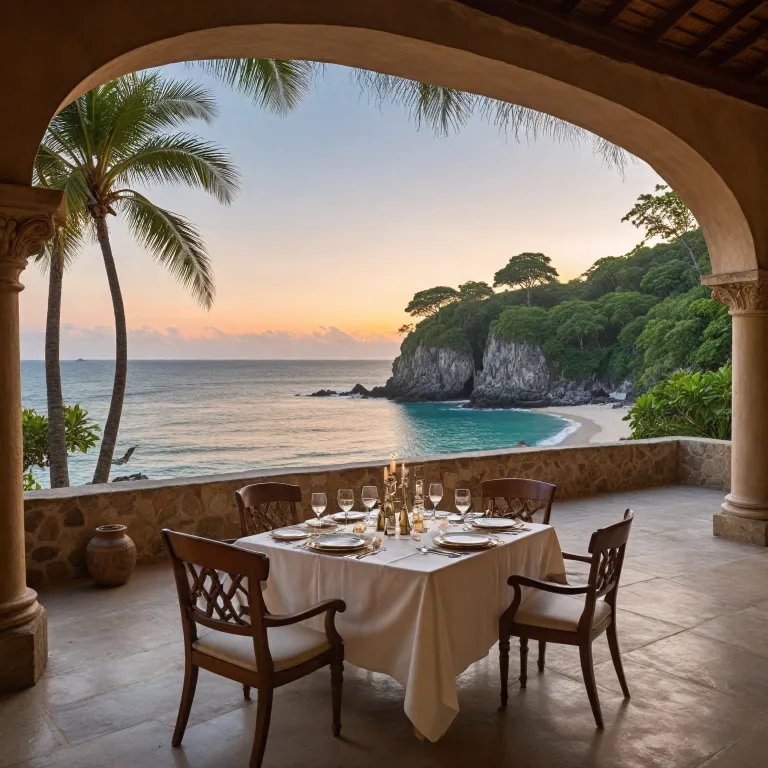
Principe island elegance for discerning travelers
Principe sits in the Gulf of Guinea as the smaller of the two main islands of São Tomé and Príncipe, yet it offers an extraordinary sense of space and calm. The island forms part of a remote African country where the rhythm of life follows the sea, the forest, and the legacy of Portuguese exploration, which still shapes how guests move between São Tomé, Príncipe and the wider islands of this volcanic chain. When you plan a luxury stay on Principe island, you are not only choosing a hotel but entering a protected biosphere reserve where more than half the land is safeguarded for nature.
Portuguese navigators reached this coast centuries ago, and their routes through the Gulf of Guinea later connected São Tomé, Príncipe and even Cape Verde in a wider Atlantic trade network. The island of Príncipe was renamed in honor of a royal heir, and over the following century it evolved into a strategic outpost for cocoa and other crops that still define the landscape today. This history explains why the main language is Portuguese and why place names such as Santo António, Vila Nova, Roça Sundy and Roça Belo Monte echo both colonial heritage and contemporary hospitality.
Today, the UNESCO biosphere reserve status encourages hotels on Principe island to balance comfort with conservation, which is central to any premium booking decision. Travelers choosing between São Tomé Island, Príncipe Island and other islands in Africa often compare how each destination manages sustainability, cultural authenticity and access to original cocoa plantations. Understanding this context helps you read between the lines of any luxury listing, whether it is a secluded retreat at Sundy Praia, an elegant property near Banana Beach or a restored plantation house in the green hills of Bom Príncipe.
How luxury booking platforms frame Principe
When you browse a luxury and premium hotel booking website focused on São Tomé and Príncipe, you will notice that Principe often appears as the quieter, more exclusive counterpart to São Tomé. The best curated platforms explain how to combine stays between São Tomé, Príncipe and other islands São in one itinerary, while still giving you enough time to appreciate each island’s character. On these sites, filters for eco credentials, plantation heritage and access to the biosphere reserve are just as important as room size or spa facilities.
Because the country is small, the distinction between a hotel on São Tomé Island and a hotel on Principe Island matters more than the number of stars. A well designed booking page will clarify whether a property sits near Santo António, in the forested interior of island Principe, or on the coast close to Banana Beach and Sundy Praia. This level of detail helps you understand transfer times from São Tomé to Príncipe São, and whether your chosen hotel aligns with your expectations for privacy, activities and cultural immersion.
For travelers comparing different premium booking tools, it is useful to read an in depth guide on luxury and premium hotel booking websites in São Tomé and Príncipe. These resources explain how platforms verify sustainability claims, how they present historic cocoa plantations such as Roça Sundy and Roça Belo Monte, and how they handle limited availability on a small island. By understanding how Principe is framed online, you can better interpret room descriptions, seasonal rates and the subtle differences between properties scattered across this remarkable biosphere reserve.
From cocoa plantations to refined coastal retreats
The story of luxury stays on Principe cannot be separated from cocoa, plantations and the trade routes that once linked São Tomé, Príncipe and Portugal. Many of today’s most atmospheric hotels occupy restored plantation houses where the original architecture has been carefully preserved, especially at Roça Sundy and Roça Belo Monte. Walking through these properties, you sense how the island’s past as a cocoa powerhouse still shapes the guest experience, from shaded verandas to views over the Gulf of Guinea.
On the coast, Sundy Praia offers a different expression of Principe island hospitality, with villas tucked between forest and sand. Guests can spend mornings swimming in warm Atlantic waters, then visit former plantations inland to understand how the country transitioned from intensive agriculture to conservation focused tourism. This contrast between coastal calm and historic estates is one of the main reasons travelers choose Principe São over larger islands in Africa, where development can feel more crowded and less curated.
Families and couples often combine a stay on São Tomé Island with several nights on Principe, using guides such as this overview of São Tomé luxury hotels for families to plan their route. By pairing a city base in São Tomé with time at Banana Beach, Bom Príncipe or Vila Nova on Principe, you experience both the cultural pulse of the capital and the quiet rhythm of the biosphere reserve. This plantation to coast journey also highlights how Portuguese heritage, African identity and modern sustainability standards now coexist across the islands São of this small Atlantic nation.
Understanding Santo António, Vila Nova and the island’s geography
For travelers using a premium booking website, it is essential to understand Principe’s geography before choosing a hotel. Santo António is the main town and administrative heart of the Autonomous Region of Príncipe, and many transfers, excursions and cultural experiences start here. When a listing mentions proximity to Santo António, it usually means easier access to local restaurants, markets and the modest but important services that support tourism in this remote country.
Vila Nova and other smaller communities spread along the coast and into the interior, often close to former cocoa plantations that have been transformed into guesthouses or luxury retreats. Properties near Roça Sundy or Roça Belo Monte typically offer deeper immersion in the biosphere reserve, with guided walks through dense forest and views towards the dramatic peaks that rise to almost 950 m. In contrast, hotels near Banana Beach or other sheltered bays on island Principe focus more on sea based activities, such as snorkeling, boat trips and seasonal whale watching.
Because Principe Island covers only about 142 km², distances between Santo António, Vila Nova, Bom Príncipe and the main coastal areas may seem short on a map. However, road conditions and the need to respect protected zones within the biosphere reserve mean transfers can take longer than expected. A careful reading of hotel descriptions, combined with maps and local advice, helps you decide whether you prefer the convenience of staying near the main town or the seclusion of a plantation style retreat deeper inside the island’s green interior.
Eco luxury in a UNESCO biosphere reserve
Principe’s designation as a biosphere reserve has profound implications for how luxury and premium hotels operate. More than half of the island’s land area is protected, which limits large scale development but encourages low impact architecture, careful waste management and close collaboration with conservation organizations. When you book a hotel on Principe Island, you are indirectly supporting these efforts, especially if the property works with local guides, sources food from nearby communities and invests in habitat restoration.
UNESCO’s recognition also shapes guest experiences, with many hotels offering guided walks to observe endemic birds, forest hikes to waterfalls and educational visits to former plantations now managed under conservation first policies. In this context, the legacy of Portuguese exploration and the centuries of trade that followed are interpreted through a modern lens that emphasizes responsibility and respect. Travelers are encouraged to follow simple guidelines such as respecting local customs, engaging in eco friendly activities and being prepared for limited infrastructure compared with larger islands in Africa.
For those comparing Principe with other refined island escapes in the region, it can be helpful to read about Madagascar hotels for refined island escapes to understand broader trends. Across the Gulf of Guinea and the wider Atlantic, destinations like São Tomé, Príncipe and Cape Verde are increasingly positioning themselves as sustainable alternatives to more crowded resort islands. On Principe São, this means that every premium booking carries a responsibility to support the biosphere reserve, from choosing low impact excursions to valuing the original character of places like Roça Sundy, Roça Belo Monte and the quiet communities of Bom Príncipe and Vila Nova.
Language, culture and practical booking insights
Portuguese is the official language of São Tomé and Príncipe, and it shapes everything from hotel communication to street signs in Santo António and São Tomé city. On a luxury booking website, you will often see Portuguese terms alongside English descriptions, especially when referring to traditional dishes, local festivals or the names of plantations such as Roça Sundy and Roça Belo Monte. Understanding this linguistic context helps you interpret room categories, meal plans and excursion descriptions that may blend Portuguese and English in a single listing.
When evaluating hotels on Principe Island, pay attention to how clearly the property explains transfers between São Tomé, Príncipe and the other islands São of the archipelago. Because flights and boats can be affected by weather and limited schedules, premium platforms usually highlight the main connection points, including São Tomé airport, Santo António and smaller landing sites near Banana Beach or Sundy Praia. Transparent information about these logistics is a strong indicator of professionalism and respect for guests’ time, especially in a remote country where infrastructure remains modest.
Finally, consider how each hotel or booking website addresses the island’s history of cocoa, plantations and trade, which linked São Tomé, Príncipe, Portugal and Cape Verde years ago. Listings that acknowledge this past while emphasizing current conservation efforts in the biosphere reserve tend to offer more thoughtful experiences. By choosing properties in places like Bom Príncipe, Vila Nova or near Roça Belo that engage with local communities and preserve original architecture, you help ensure that Principe São continues to balance luxury, cultural integrity and environmental stewardship for future travelers.
Key figures about Principe island
- Land area of Principe Island is approximately 142 km², making it compact yet remarkably diverse in landscapes.
- The population is around 9,150 inhabitants, concentrated mainly in Santo António and smaller communities such as Vila Nova.
- Roughly 53 % of the island’s territory is designated as protected area within the UNESCO biosphere reserve.
- The highest elevation reaches about 947 m at Pico do Príncipe, creating dramatic volcanic scenery above the forest canopy.
Essential questions about Principe and São Tomé stays
What is the main language spoken on Principe Island?
Portuguese is the official language, with local languages such as Principense (Lunguyê) also spoken.
What is the climate like on Principe Island?
Príncipe has an equatorial climate with dense vegetation and significant biodiversity.
Are there any unique species on Principe Island?
Yes, Príncipe is home to numerous endemic species, including the Príncipe scops owl and the Príncipe kingfisher.