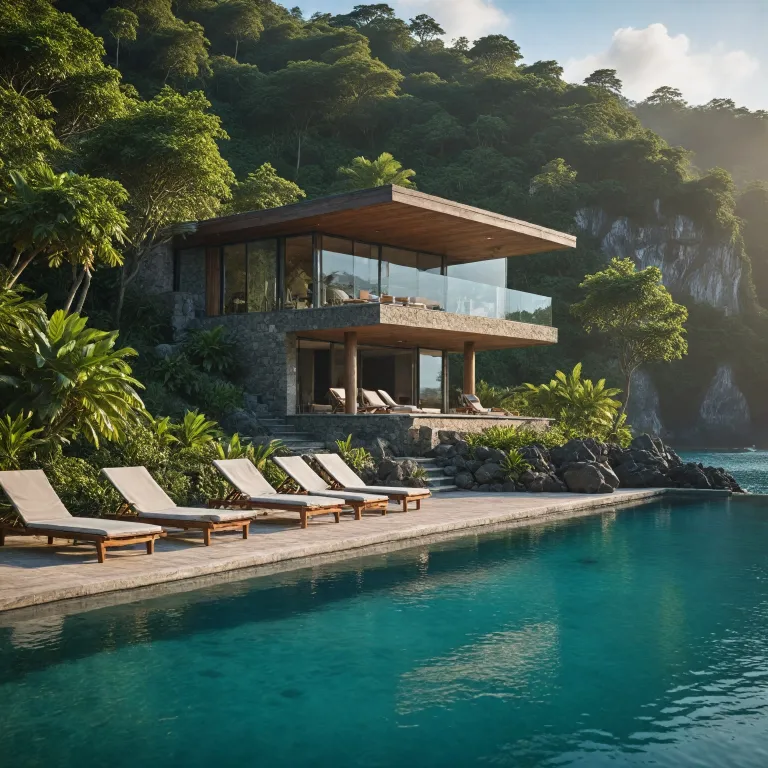
Luxury context of santo tome y principe for discerning guests
Santo tome y principe is a small african island country with a refined yet understated luxury scene. High end travelers are drawn to the lush sao tome island and the quieter island principe, where nature, history, and comfort blend in a very intimate way. Understanding how the government supports sustainable tourism helps guests choose hotels that respect both people and environment.
The official language is Portuguese, and this portuguese official heritage shapes architecture, service style, and even the rhythm of tome city. Many premium properties occupy restored colonial houses on island sao, where echoes of the slave trade and cocoa wealth still frame the streets. In this context, a reliable luxury and premium hotel booking website becomes essential for navigating the country profile and comparing discreet but high quality addresses.
Travelers should know that santo tome y principe is an island nation in the Gulf of Guinea, with just 964 km² of land across both islands. The african character of sao tome and tome principe appears in music, food, and the warm welcome from local people, while the calm pace suits guests seeking privacy. A curated booking platform can highlight hotels that support conservation in areas like Parque Natural Ôbo and around Pico Cão Grande, the dramatic volcanic plug also known as pico cao.
Because the country once depended heavily on cocoa and coffee exports sao, many estates on tome island and island principe now host refined lodges. These properties often reinterpret former plantations where slaves once worked, transforming difficult heritage into meaningful hospitality. For luxury travelers, this blend of history, nature, and comfort makes santo tome y principe a compelling alternative to more crowded african islands and larger countries.
History, politics, and how they shape premium stays
The political stability of santo tome y principe under President Carlos Manuel Vila Nova and Prime Minister Américo d'Oliveira dos Ramos supports a growing high end tourism sector. This stability matters when you book a luxury stay in an african island country that has experienced more than one coup in its post colonial history. Today, the government focuses on diversification beyond cocoa, encouraging investments in sustainable hotels on sao tome and island principe.
Centuries ago, portuguese explorers reached these islands in the Gulf of Guinea and turned them into hubs of the slave trade. The memory of slaves shipped from sao tome to other countries still lingers in coastal forts, churches, and archived documents that specialists continue to study. When you choose a premium hotel through a dedicated booking website, you often sleep near sites where slaves once passed, and thoughtful properties now interpret this heritage with sensitivity.
Modern relations sao with Portugal, other lusophone countries, and the United States influence tourism flows and investment in infrastructure. As imports sao of quality materials and technology improve, hotels on island sao and island principe can offer better connectivity, wellness facilities, and refined gastronomy. At the same time, exports sao of cocoa and niche products help finance conservation projects around Pico Cão Grande and the wider cao grande massif.
Travelers interested in culture can select hotels that organize guided visits to former plantations on tome island, where cocoa trees still shade old stone buildings. These tours explain how the country moved from a plantation economy based on slaves to a service economy where tourism plays a central role. For deeper context on how local narratives enrich upscale stays, many guests appreciate reading a dedicated article on exploring local legends for discerning travelers before finalizing their booking.
Geography, nature, and choosing the right island stay
For luxury travelers, the first strategic decision in santo tome y principe is whether to stay on sao tome island, on island principe, or to combine both islands. Sao tome offers more flight connections, a livelier tome city, and a broader range of premium hotels, while island principe feels more secluded and exclusive. A sophisticated booking website should clearly present these differences so guests can match each island to their travel style.
The country lies in the Gulf of Guinea, off the west coast of africa, and its volcanic origins shape every view. Pico Cão Grande, often written as pico cao, rises dramatically from the rainforest on sao tome, and many high end lodges frame this peak from their terraces. On island principe, the smaller cao grande formations and rugged coastline create a sense of remoteness that appeals to travelers seeking privacy and silence.
Because santo tome y principe is an african island country with limited land, the government and conservation partners pay close attention to environmental impact. Premium hotels on island sao and island principe increasingly adopt low density designs, using local materials and supporting nearby villages. When you compare properties on a booking platform, look for clear references to conservation programs, community projects, and responsible sourcing of food and amenities.
Marine experiences also shape the choice between islands, as the waters around sao tome and tome principe host rich biodiversity. Guests can arrange diving, snorkeling, or boat trips that reveal dolphins, sea turtles, and seasonal whales, often organized directly through their hotel. A well curated booking website should highlight which properties have strong marine guides, safe equipment, and respectful practices that align with the country profile and its conservation goals.
Cultural immersion, gastronomy, and meaningful luxury
Luxury in santo tome y principe is less about ostentation and more about immersion in local culture, especially through food and daily life. The portuguese official language coexists with creole dialects, and attentive hotels often encourage guests to learn simple phrases to connect with local people. This human centered approach turns a stay on sao tome or island principe into a richer experience than a standard resort holiday in other countries.
Gastronomy reflects a blend of african, portuguese, and island influences, with cocoa and coffee playing central roles. Many chefs on island sao reinterpret traditional food such as calulu, grilled fish, and tropical fruits, pairing them with cocoa based sauces or desserts. On island principe, smaller restaurants and hotel kitchens emphasize ultra fresh seafood and garden produce, making each meal a highlight of the stay.
Because the country once depended on plantations worked by slaves, some hotels now organize visits that respectfully address this past. Guests may walk through former slave quarters on tome island, guided by historians who explain how the slave trade shaped both local society and relations sao with other african and european countries. These experiences can be emotionally intense, yet they add depth to a luxury journey that goes beyond surface comfort.
When evaluating options on a premium booking website, look for properties that support cultural projects, music events, or artisan workshops on island sao and island principe. Some hotels commission artworks that reference Pico Cão Grande, cao grande cliffs, or the trovoada storms that roll across the Gulf of Guinea. By choosing such places, travelers help sustain a living culture while enjoying refined service, elegant rooms, and carefully curated excursions across santo tome y principe.
Practical booking strategies for premium stays
Planning a high end trip to santo tome y principe requires attention to logistics, seasonality, and the subtle differences between sao tome and tome principe. Because flight connections are limited compared with larger african countries, securing flexible tickets and confirmed hotel reservations on island sao or island principe is essential. A specialized luxury and premium hotel booking website can streamline this process by aggregating availability and offering clear cancellation policies.
When comparing properties, examine how each hotel presents its role within the country profile, including commitments to sustainability and community engagement. Some hotels on tome island support schools, health posts, or training programs that help local people access jobs beyond cocoa plantations. Others on island principe collaborate with marine biologists to monitor species in the Gulf of Guinea, reinforcing the country’s reputation for responsible tourism.
Travelers from Portugal, other lusophone countries, and the United States should also consider visa requirements and health recommendations before arrival. The official language being Portuguese makes communication easier for many european guests, while english speaking staff are increasingly common in premium hotels on island sao. Relations sao with neighboring african countries also influence regional flight options, which your booking platform should explain clearly.
For inspiration, many travelers consult guest narratives about authentic experiences with luxury and premium hotel booking websites in sao tome and principe, such as those shared on specialized guest narratives. These stories often highlight how properties near Pico Cão Grande or along remote beaches on island principe balance comfort with a sense of place. By combining such qualitative insights with hard data on imports sao, exports sao, and tourism growth, discerning travelers can make informed choices that align with their values.
Deep subject: navigating heritage of cocoa, slaves, and modern luxury
The most complex challenge for luxury and premium hotel booking in santo tome y principe lies in navigating the layered heritage of cocoa, slaves, and contemporary comfort. Many of the most atmospheric properties on sao tome and tome principe occupy former plantations where slaves once labored under portuguese rule. Transforming these spaces into havens of relaxation requires sensitivity, transparency, and collaboration with local communities and historians.
On tome island, guests may sleep in rooms that overlook old drying terraces for cocoa, while guided walks explain how the slave trade linked this small country to distant markets. These narratives connect island sao to other african islands and mainland ports, as well as to european countries and the United States that once imported cocoa and other goods. A responsible booking website should clearly indicate which hotels offer such interpretive experiences and how they support ongoing research into archived records.
Island principe presents a similar tension between idyllic scenery and difficult history, especially on estates near cao grande rock formations and secluded bays. Here, hotels must balance privacy and luxury with honest storytelling about how slaves built the infrastructure that now hosts refined suites and restaurants. Guests who understand this context often appreciate the chance to contribute to memorial projects or educational programs for local people.
By foregrounding this heritage, santo tome y principe positions itself as more than just another african island destination in the Gulf of Guinea. The government, together with international partners, encourages hotels on island sao and island principe to integrate cultural interpretation into their offerings. For travelers, engaging with this history through carefully chosen properties turns a premium stay into a meaningful journey that honors both past and present.
Key statistics about santo tome y principe for luxury travelers
- The population of santo tome y principe is approximately 223 561 inhabitants, which helps maintain an intimate atmosphere on both sao tome and island principe.
- The total area of the country is about 964 km², divided between sao tome island and the smaller island principe in the Gulf of Guinea.
- Life expectancy in santo tome y principe stands near 67.7 years, reflecting gradual improvements supported by the government and international partners.
- The literacy rate reaches roughly 87.4 %, which supports professional service standards in premium hotels on island sao and island principe.
Essential questions about santo tome y principe
What is the capital of santo tome y principe ?
The capital of santo tome y principe is Santo Tomé, often called tome city, located on sao tome island. This city concentrates government institutions, cultural venues, and many premium hotels that serve as gateways to the rest of the country. For most travelers, flights arrive here before they continue to island principe or other parts of island sao.
What is the official language in santo tome y principe ?
The official language in santo tome y principe is Portuguese, recognized as the portuguese official language in the constitution. In premium hotels on sao tome and island principe, staff usually speak Portuguese and increasingly English or French to welcome guests from various countries. Learning a few portuguese phrases enhances interactions with local people and deepens cultural immersion during your stay.
What currency is used in santo tome y principe ?
The currency used in santo tome y principe is the dobra of Santo Tomé e Príncipe, often abbreviated as STN. Luxury travelers staying on island sao or island principe will find that most premium hotels accept major cards, although carrying some local cash remains useful. Exchange services are concentrated in tome city, so it is wise to organize currency needs before heading to more remote parts of the islands.